When buying property in Curaçao, verifying who legally owns the land and whether there are any registered claims against it is a critical step. This article explains how to use the Curaçao land registry, known as the Kadaster, to confirm ownership and ensure legal certainty before completing a purchase.
What is the Kadaster
The Stichting Kadaster en Openbare Registers (Land Registry and Public Records Foundation) is the official body responsible for maintaining the geographic database and public records of property ownership in Curaçao. It manages registered deeds, parcel divisions, and measurements to provide a transparent and reliable real estate system.
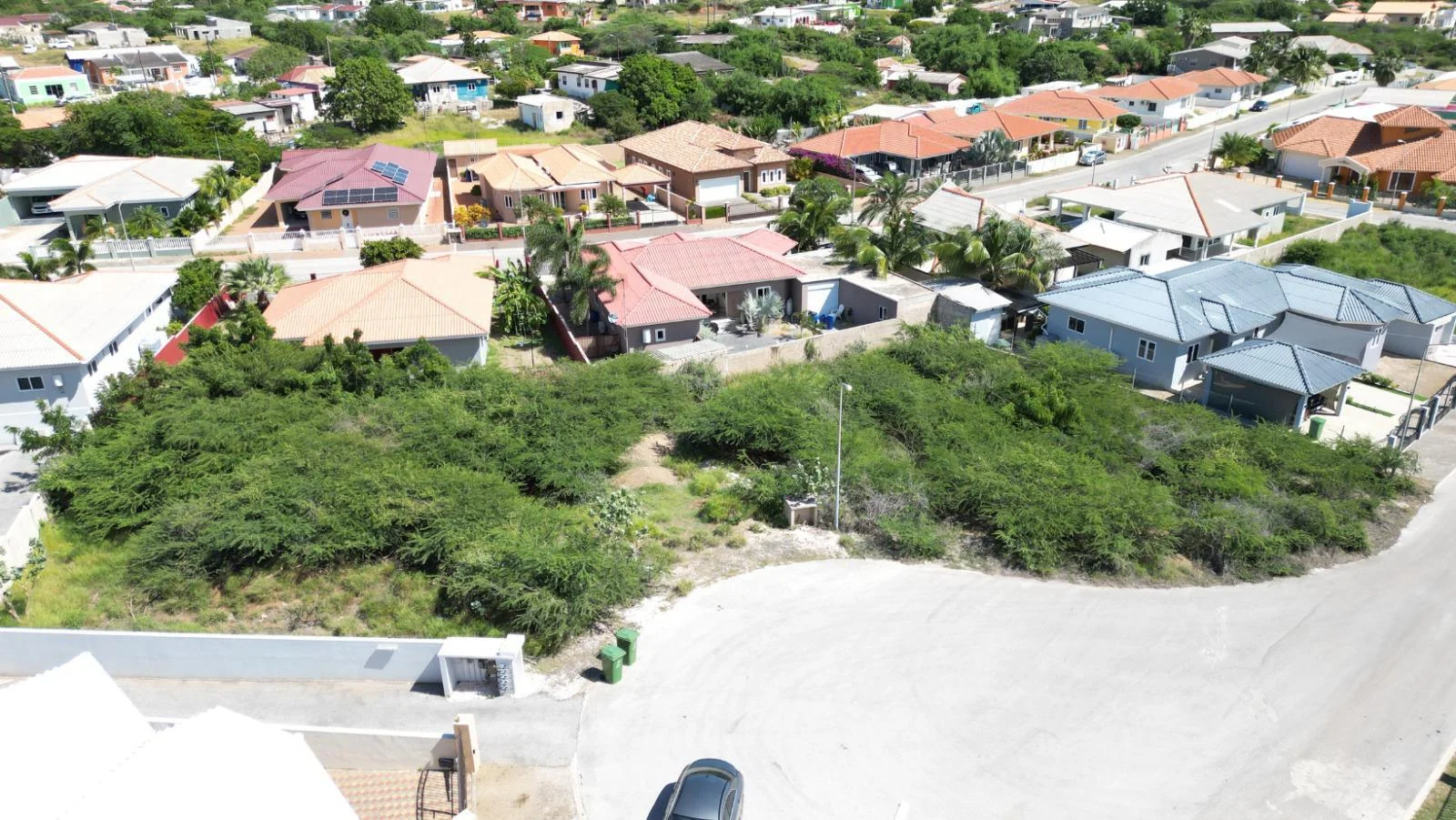
Legal certainty provided by the Kadaster is the foundation for development projects, mortgages, and economic growth. To maintain accuracy, the organization uses drones and collaborates with Divi Air to capture new aerial images for address management and spatial planning.
The Kadaster is also modernizing its services. In 2025, a new deed rectification system was introduced, and the organization is moving toward making applications for certificates and parcel divisions available entirely online.




Checking ownership and legal certainty
Verifying the title of a property through the Kadaster is a primary part of due diligence. This process confirms that the person selling the property is the legal owner and identifies any registered encumbrances or rights of way that may affect the land.
Because property transactions are recorded as official deeds, the Kadaster serves as the authoritative source for verifying these claims. For example, in 2024, real estate transactions recorded by the Kadaster exceeded 2.1 billion guilders.
Buyers typically work with a notary to handle these checks and the subsequent transfer of ownership. You can learn more about the role of the legal professional in this process in our guide to the notary in a Curaçao property purchase.
For a comprehensive approach to verifying a property, see our due diligence checklist for buying property in Curaçao.
How to verify property details
To confirm the ownership and boundaries of a plot, you must request information from the Kadaster. This process ensures that the property is correctly measured and that the seller has the legal right to transfer the title.
The Kadaster provides several essential services for buyers:
- Ownership certificates: These documents confirm who is registered as the legal owner of the property.
- Parcel divisions: The registry manages the official division of land into smaller plots.
- Measurements: Professional measurements are used to verify the exact size and boundaries of a property.
As of 2025, the Kadaster has introduced a deed rectification system to correct errors in registered documents. Additionally, applications for certificates and parcel divisions are becoming available online to streamline the verification process.
The role of the notary and Kadaster
In Curaçao, a notary is required to handle the legal transfer of property. The notary acts as the intermediary between the buyer, the seller, and the Kadaster.
The notary performs the following tasks related to the land registry:
- Requests official extracts from the Kadaster to verify ownership.
- Checks for existing mortgages or liens registered against the property.
- Drafts the deed of transfer, which is then submitted to the Kadaster for registration.
The Kadaster also collaborates with the Tax Department, providing property data that helps the government calculate tax revenue.
Costs and taxes related to registration
Registering a property transfer involves specific government fees. One of the primary costs is the transfer tax (overdrachtsbelasting), which is 4% of the value of the property. This tax is calculated based on the value stated in the deed or a lower price if determined by the parties or the notary, provided it is not below the market value.
Owners are also subject to an annual property tax known as onroerendezaakbelasting (OZB), which replaced the previous ground tax on 1 January 2014. The OZB is based on the value of the property in economic circulation.
For a detailed breakdown of these expenses, see our article on closing costs when buying property in Curaçao or the specific guide to property transfer tax in Curaçao.