Buying a property that is not yet built, known as buying off-plan, allows buyers to purchase a home at an earlier stage of development. This process carries different risks and requirements than buying an existing home in Curaçao. This article explains how off-plan purchases work, the potential risks involved, and the safeguards you can use to protect your investment.
What is buying off-plan in Curaçao
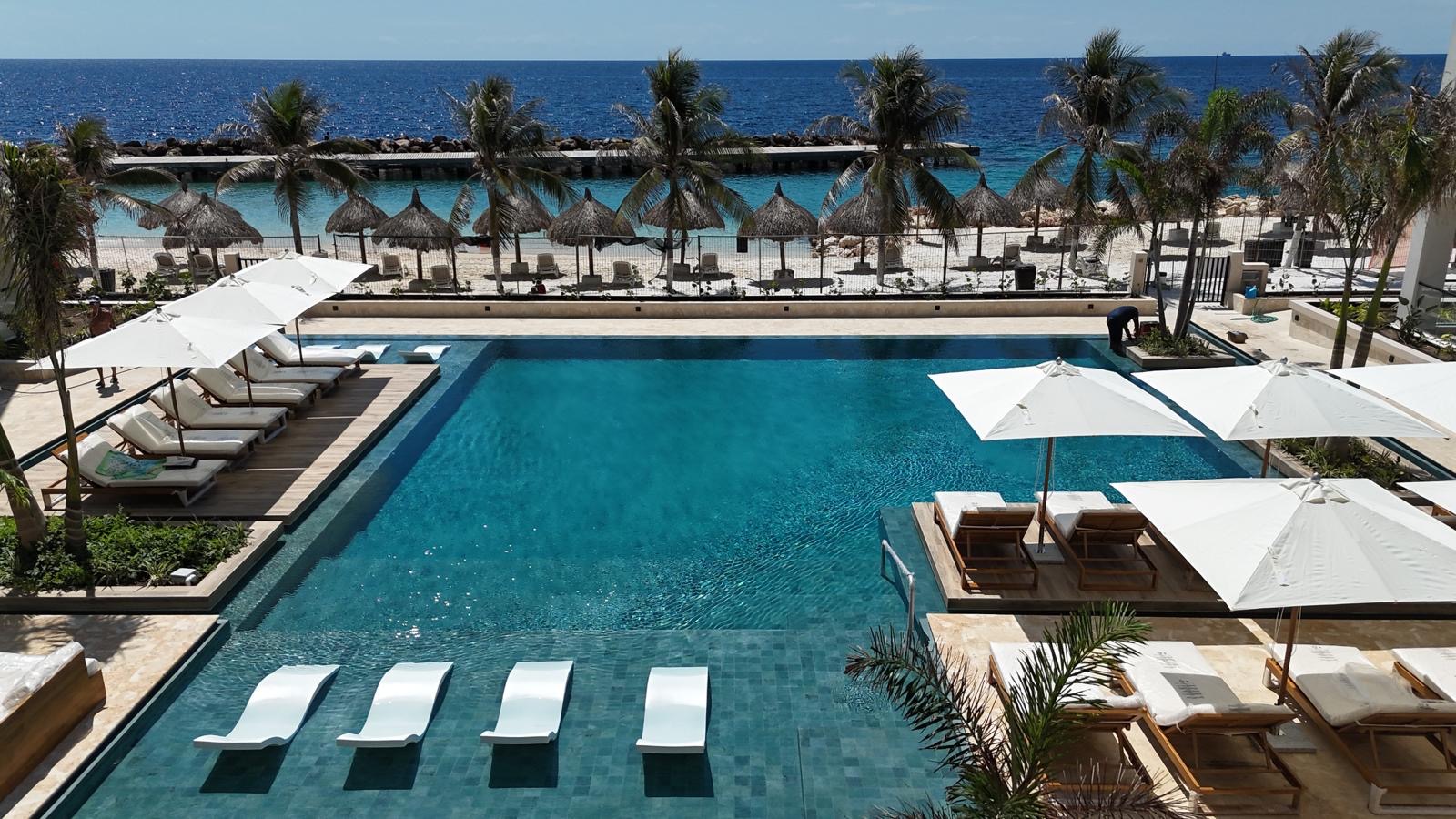
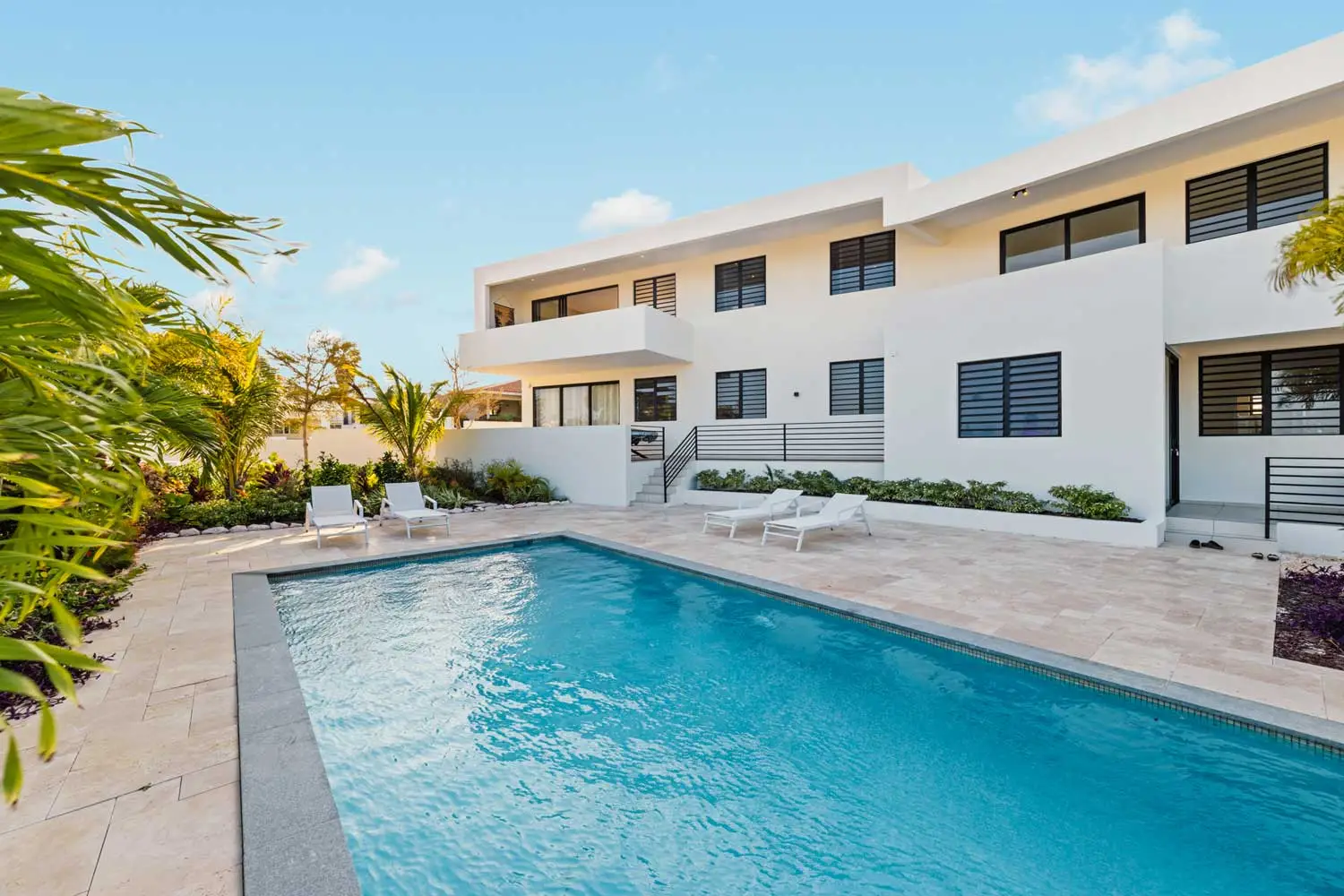
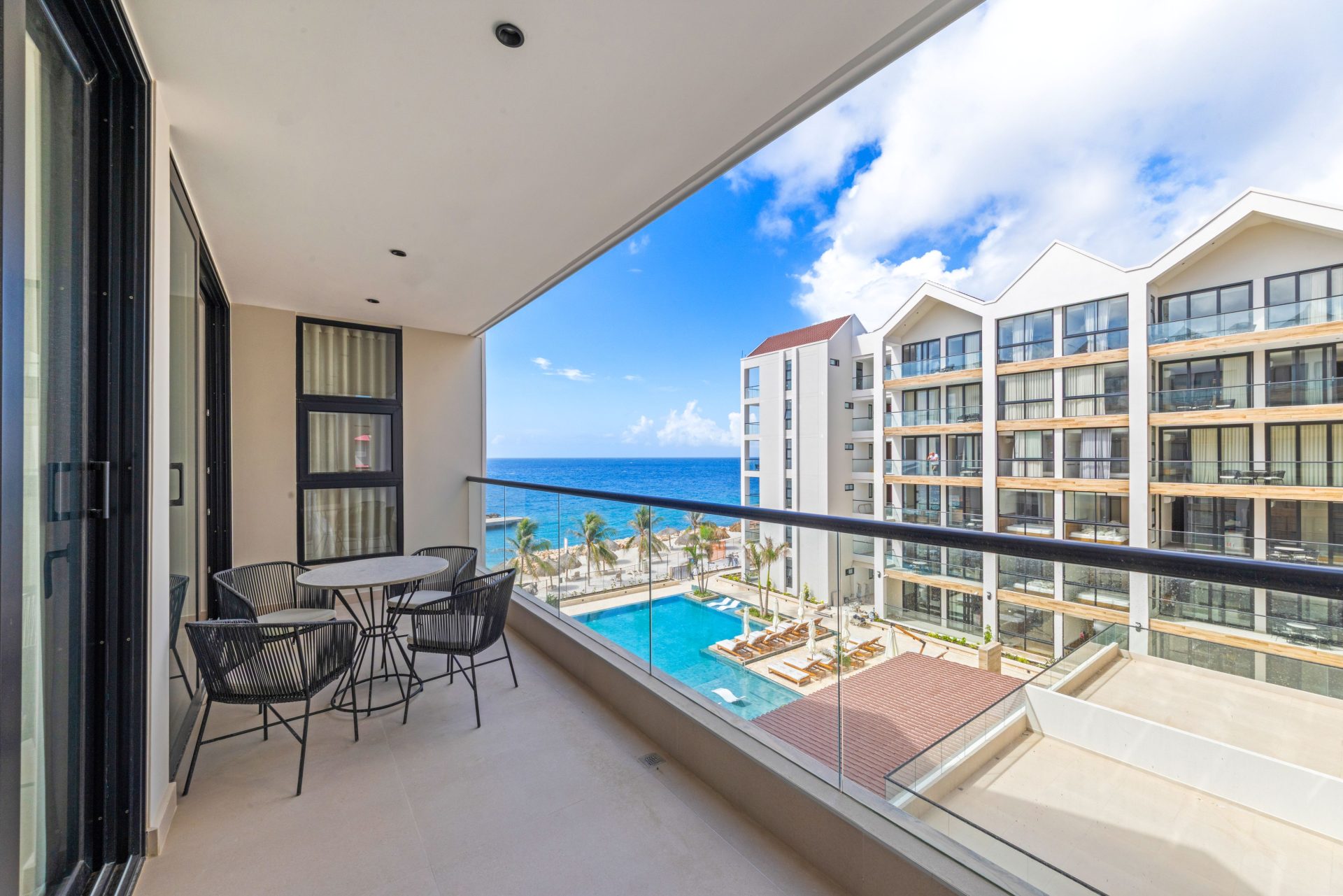
Buying off-plan means entering into a purchase agreement for a property before construction is complete, or sometimes before it has even started. This typically applies to new-build projects such as apartments or villas in developing resorts.
Buyers often choose this route to secure a specific plot or unit in a new development. The process involves signing a contract based on architectural plans, specifications, and promised completion dates. Because the property does not yet exist in its final form, the value is based on the projected finished product.
You can find current new-build developments through our projects page or by contacting the brokers who list them on our portal.
Risks of buying off-plan
Purchasing a property before it is built introduces several uncertainties that are not present when buying an existing home:
- Construction delays: Projects may take longer to complete than the date stated in the purchase agreement.
- Changes in specifications: The final materials, finishes, or layout may differ from the initial plans or the show home.
- Developer solvency: There is a risk that the developer may face financial difficulties or bankruptcy before the project is finished.
- Budget overruns: Depending on the contract, some buyers may be responsible for additional costs if building materials increase in price.
Get new homes for sale on Curaçao by email
Free. One email a week with the new homes that match.
To manage these risks, it is important to conduct thorough due diligence. You can find a general due diligence checklist for buying property in Curaçao to help you identify what to verify before signing a contract.



Steps for buying off-plan in Curaçao
The process of buying a property before construction is finished typically follows these stages:
- Selection and reservation: The buyer selects a unit or plot from the developer’s plans. A reservation fee may be required to hold the property.
- Purchase agreement: The buyer and developer sign a purchase agreement. This document outlines the price, specifications of the build, payment milestones, and the expected completion date.
- Payment schedule: Payments are usually made in stages rather than as a single sum. These may be linked to construction milestones, such as the completion of the foundation or the roof.
- Final inspection and transfer: Once construction is finished, the buyer inspects the property. The legal transfer of ownership then takes place via a deed of transfer signed before a notary.
Costs and taxes
Buying off-plan involves the same primary taxes as buying an existing home. The most significant is the transfer tax (overdrachtsbelasting), which is 4% of the value of the property [E3]. This tax is calculated based on the agreed purchase price or a valuation approved by the parties and the notary [E3].
Once the property is completed, the owner is responsible for the annual property tax (onroerendezaakbelasting, OZB) [E2]. This tax is based on the economic value of the property [E2]. For more details on these expenses, you can read our articles on property transfer tax in Curaçao and annual property tax (OZB).
Other costs may include notary fees for the purchase agreement and the final deed. You can find a detailed breakdown of these costs in our guide to closing costs when buying property in Curaçao.
Who does what
Several parties are involved in an off-plan transaction to ensure the process is legal and transparent:
- The Developer: Responsible for securing building permits, managing construction, and delivering the property according to the agreed specifications.
- The Notary: The only official authorized to handle the legal transfer of property in Curaçao. The notary drafts the deed, ensures the correct taxes are paid, and registers the property at the land registry (Kadaster).
- The Broker: Acts as an intermediary between the developer and the buyer, providing information on available units and assisting with the initial negotiations.
- The Buyer: Responsible for providing the funds according to the payment schedule and conducting due diligence on the developer.







Newest homes on Curaçao
Search all homes