
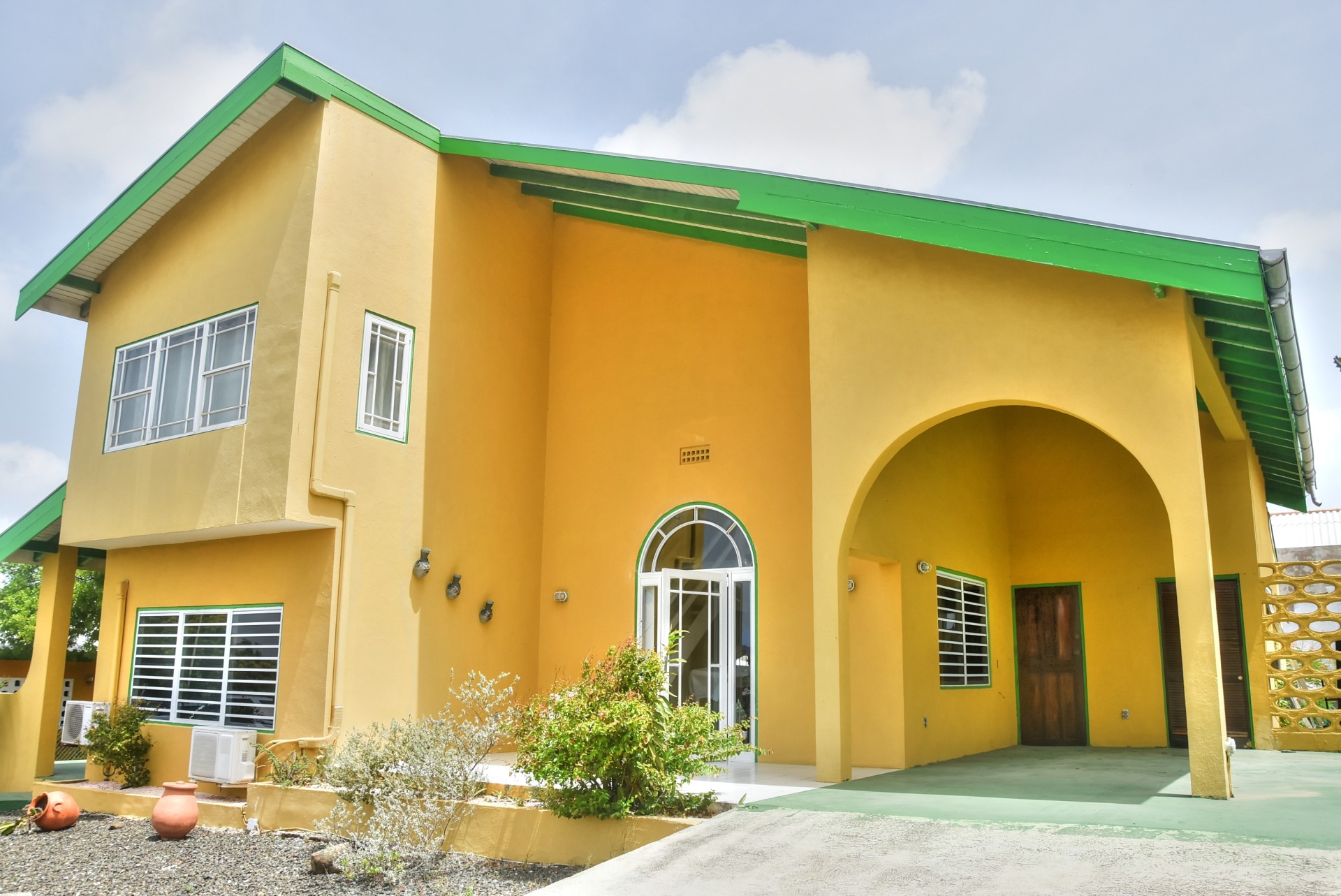
US$ 195,531For sale
Oude Caracasbaaiweg, Saliña Abou Curaçao
3 bedrooms1 bathroom105 m² living area335 m² plot
DMJ Makelaar

 Under offer
US$ 293,296For sale
Kaya Ser’i Kalki
3 bedrooms2.5 bathrooms220 m² living area
- Carport
Keller Williams Curacao

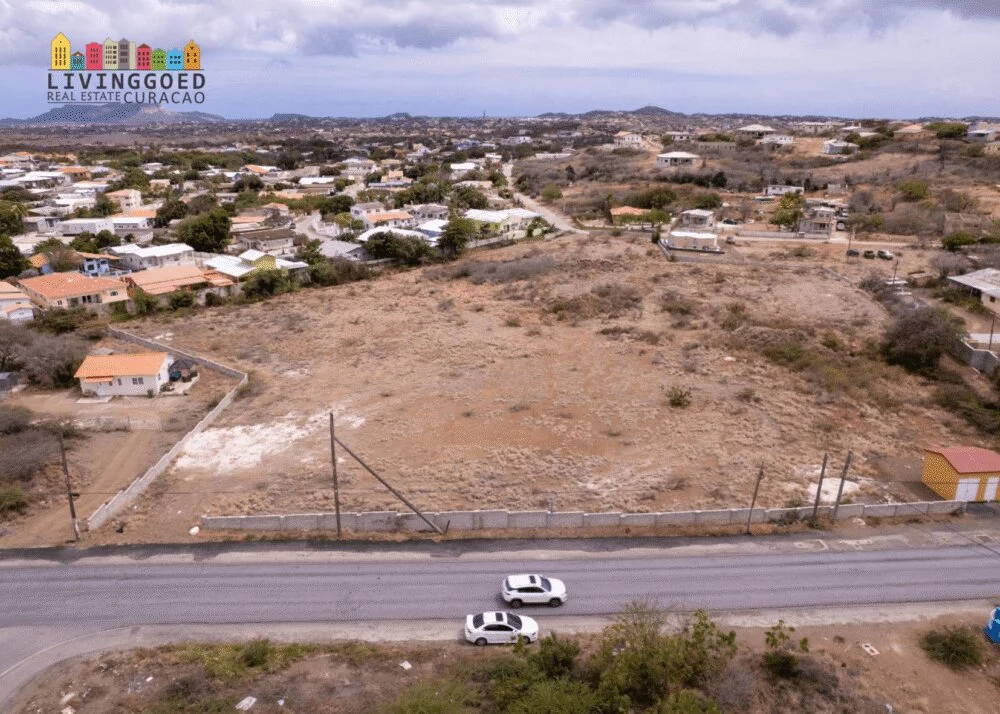
from US$ 114,525For sale
Weg naar Santa Catharina, Curaçao
341 m² plot
Livinggoed Real Estate

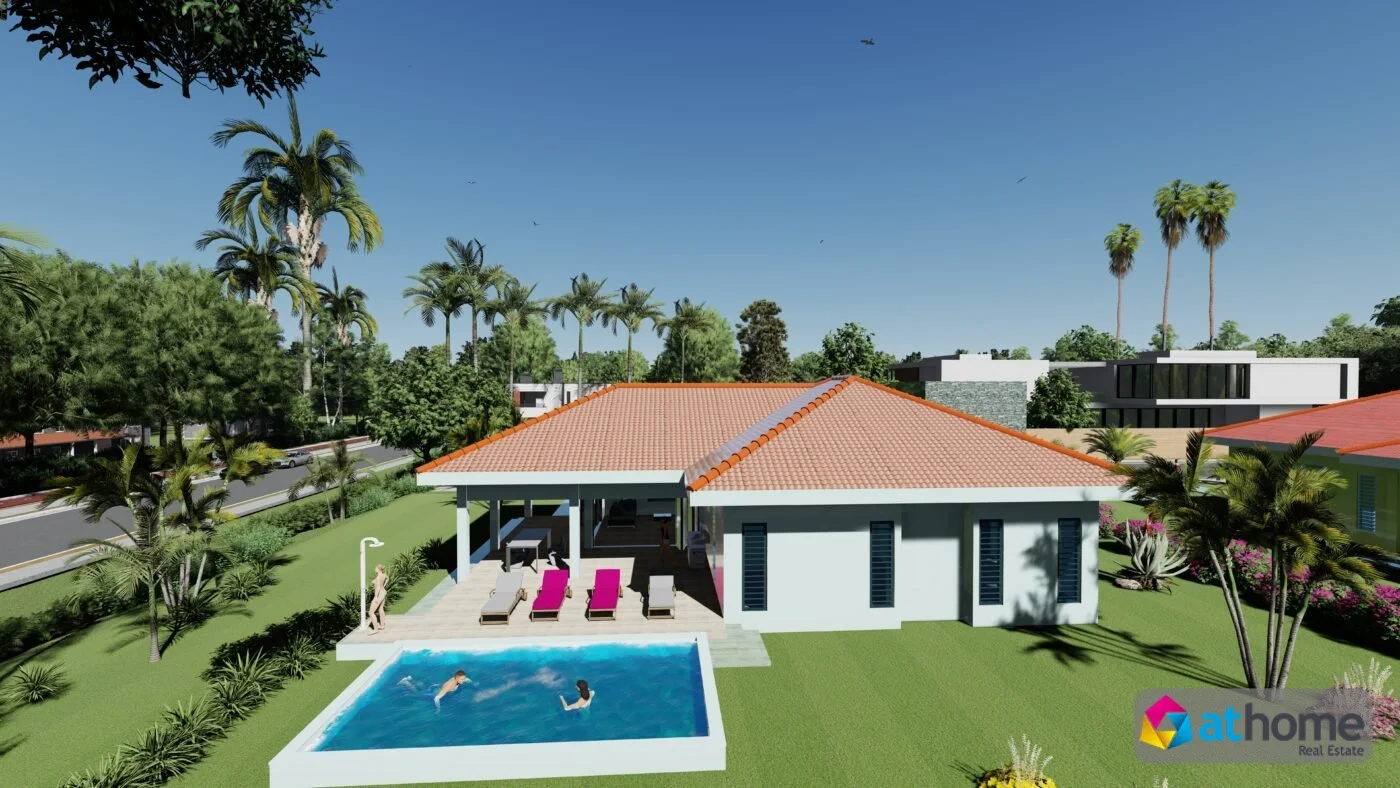
US$ 206,425For sale
Build your Dream Bungalow Model Santiago
3 bedrooms2 bathrooms118 m² living area
At Home Curaçao

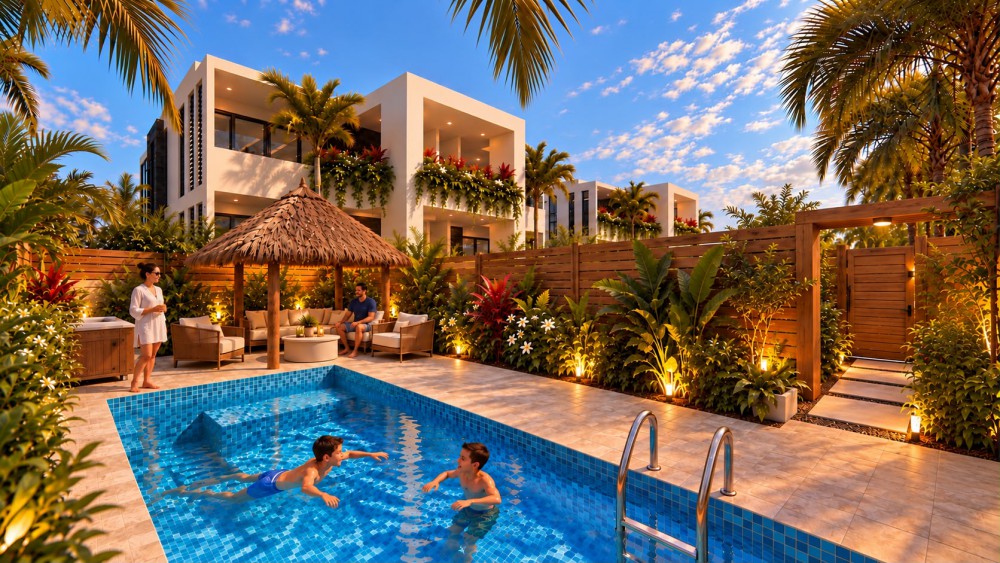
US$ 301,676For sale
Modern New-Build Apartment with 2 Bedrooms in Toni Kunchi
2 bedrooms2 bathrooms93 m² living area
RE/MAX BonBini Curaçao

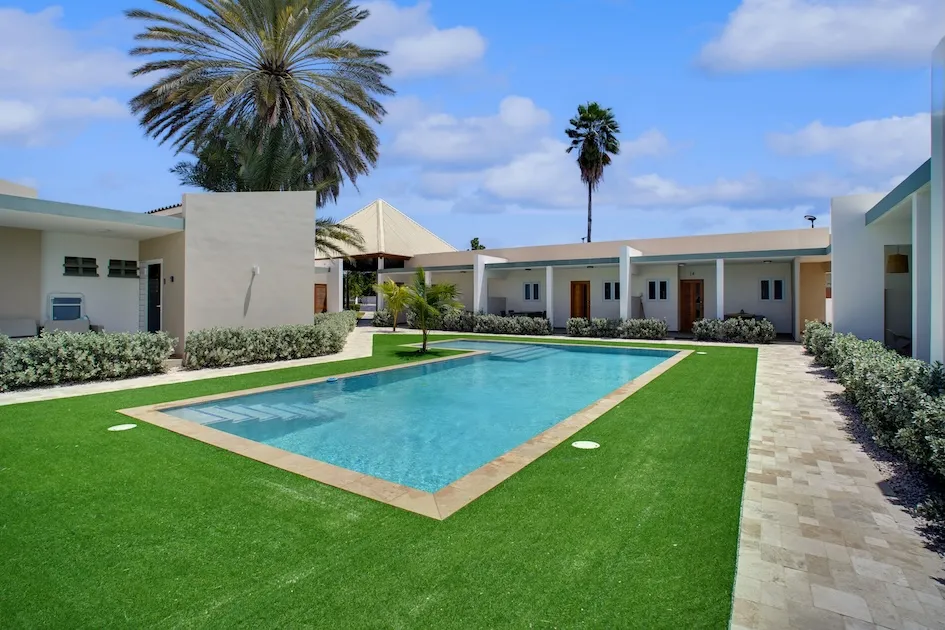
US$ 342,500For sale
Modern 2-Bedroom Apartment for Sale in Sta. Rosa
2 bedrooms1 bathroom
- Air conditioning
NH Real Estate & Associates

Get new homes like these by email
Homes for sale in Curaçao, up to US$ 355,000
No need to browse 14 pages: get the new homes that match once a week, free.
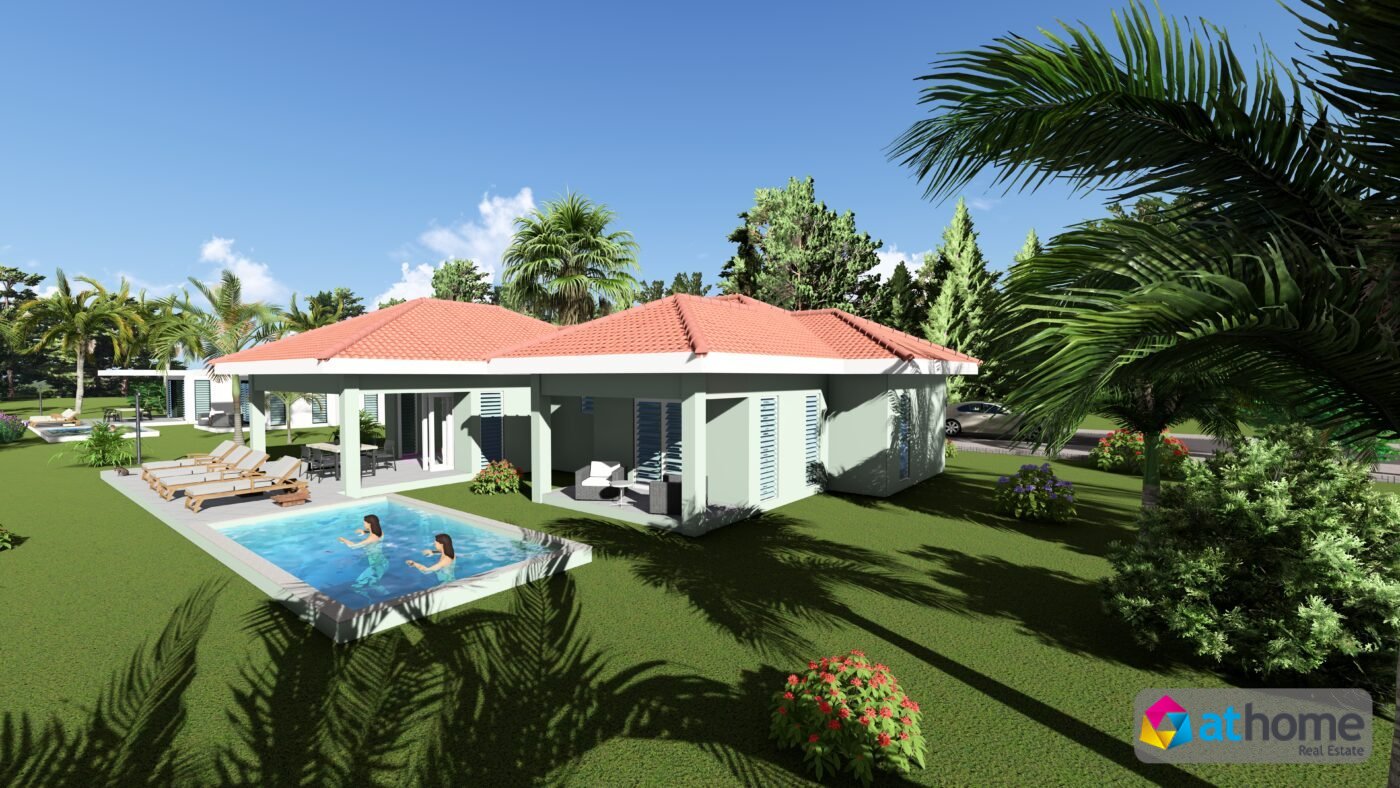
US$ 312,235For sale
Build your Dream Bungalow Model Leonie
3 bedrooms2 bathrooms136 m² living area
- Private pool
At Home Curaçao
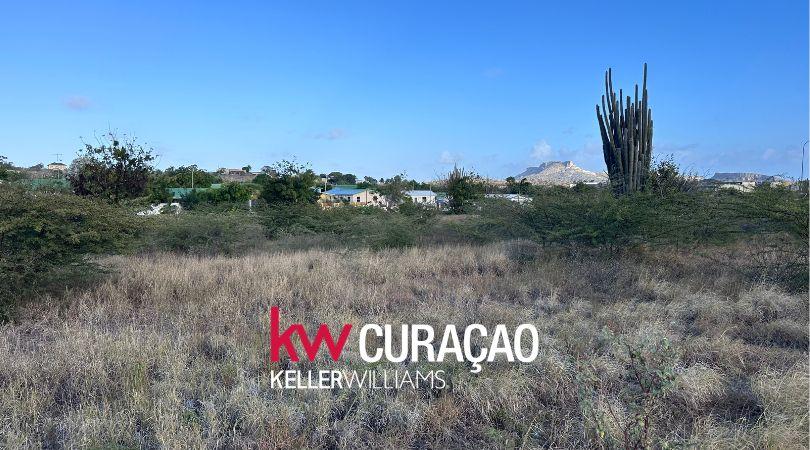
US$ 181,500For sale
Beautiful Lot Brakkeput Noord
597 m² plot
Keller Williams Curacao
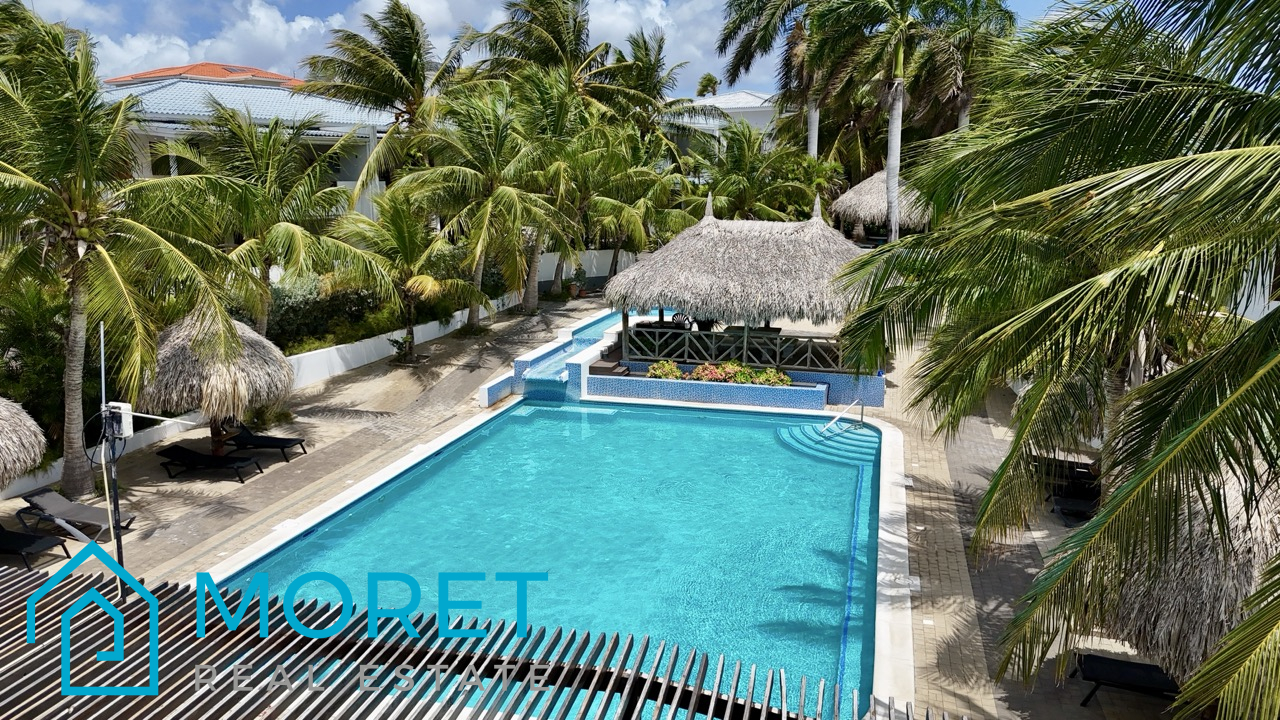 Under offer
US$ 349,162For sale
Brakkeput – Apartment at Cocolora Resort
2 bedrooms2 bathrooms
- Shared pool
- Air conditioning
- Garage
Moret Real Estate
 Under offer
US$ 315,642For sale
ONDER CONTRACT – Kaya Meiberg 40
6 bedrooms3 bathrooms550 m² plot
Caresto

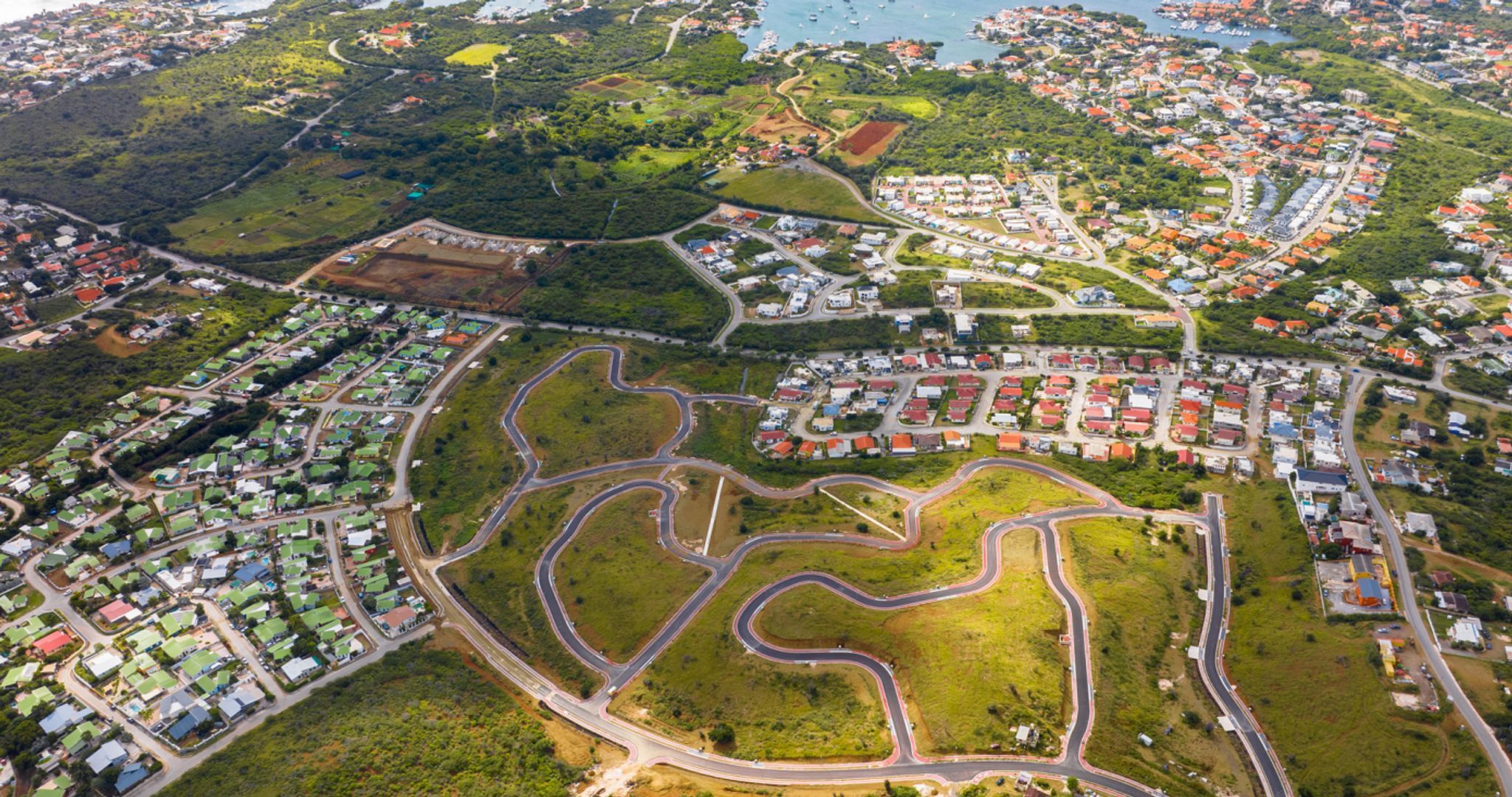
US$ 346,185For sale
Brakkeput Noord F-27
International Fine Living

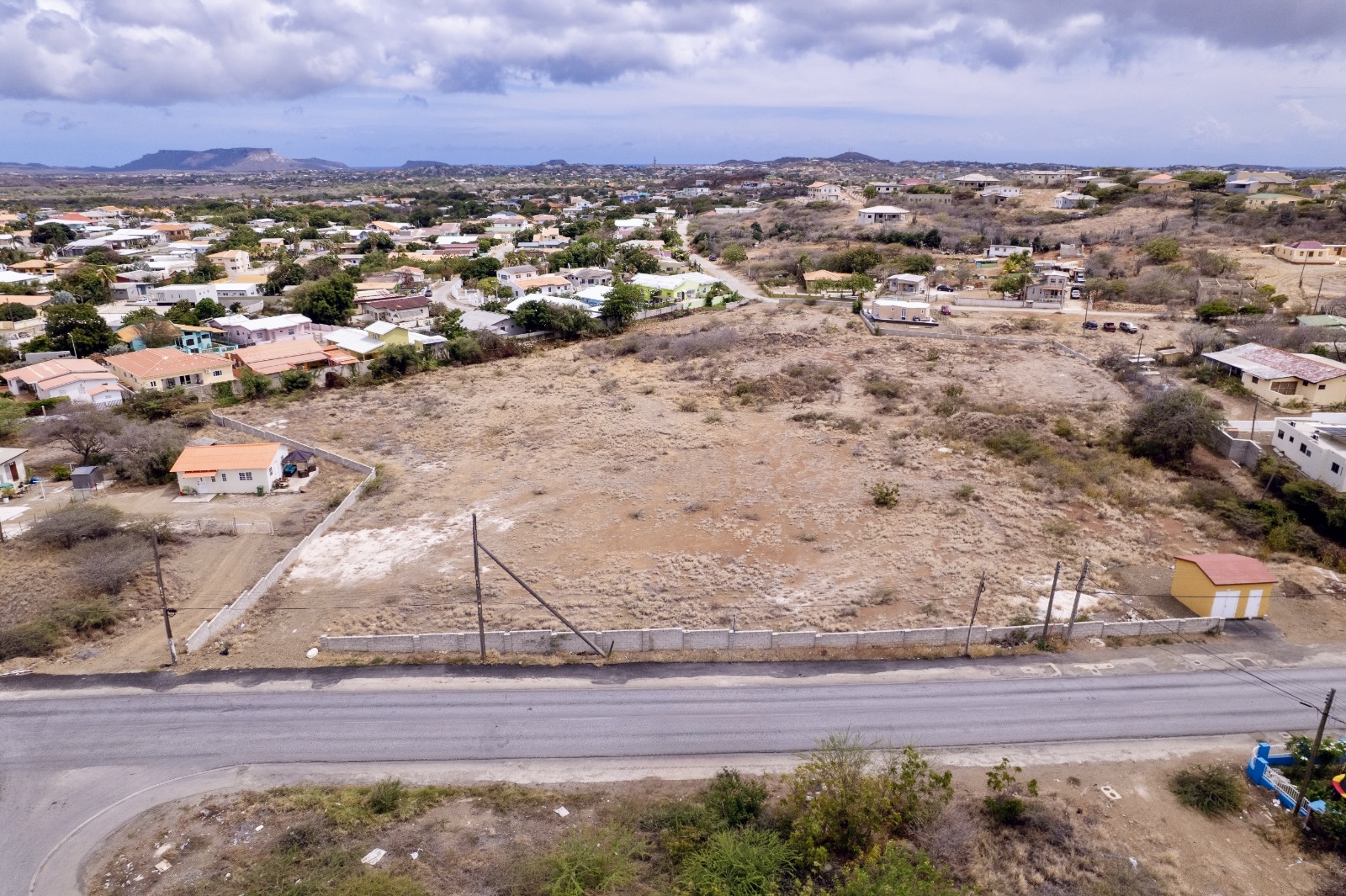
from US$ 106,476For sale
Christoffel Resort
341 m² plot
Curaçao Exclusive Real Estate

Save this search
Homes for sale in Curaçao, up to US$ 355,000