Moving to Curaçao: A practical checklist

Learn about residence permits, health insurance, property taxes, and housing costs for moving to Curaçao.

Editorial · written by RealEstatesCuraçao

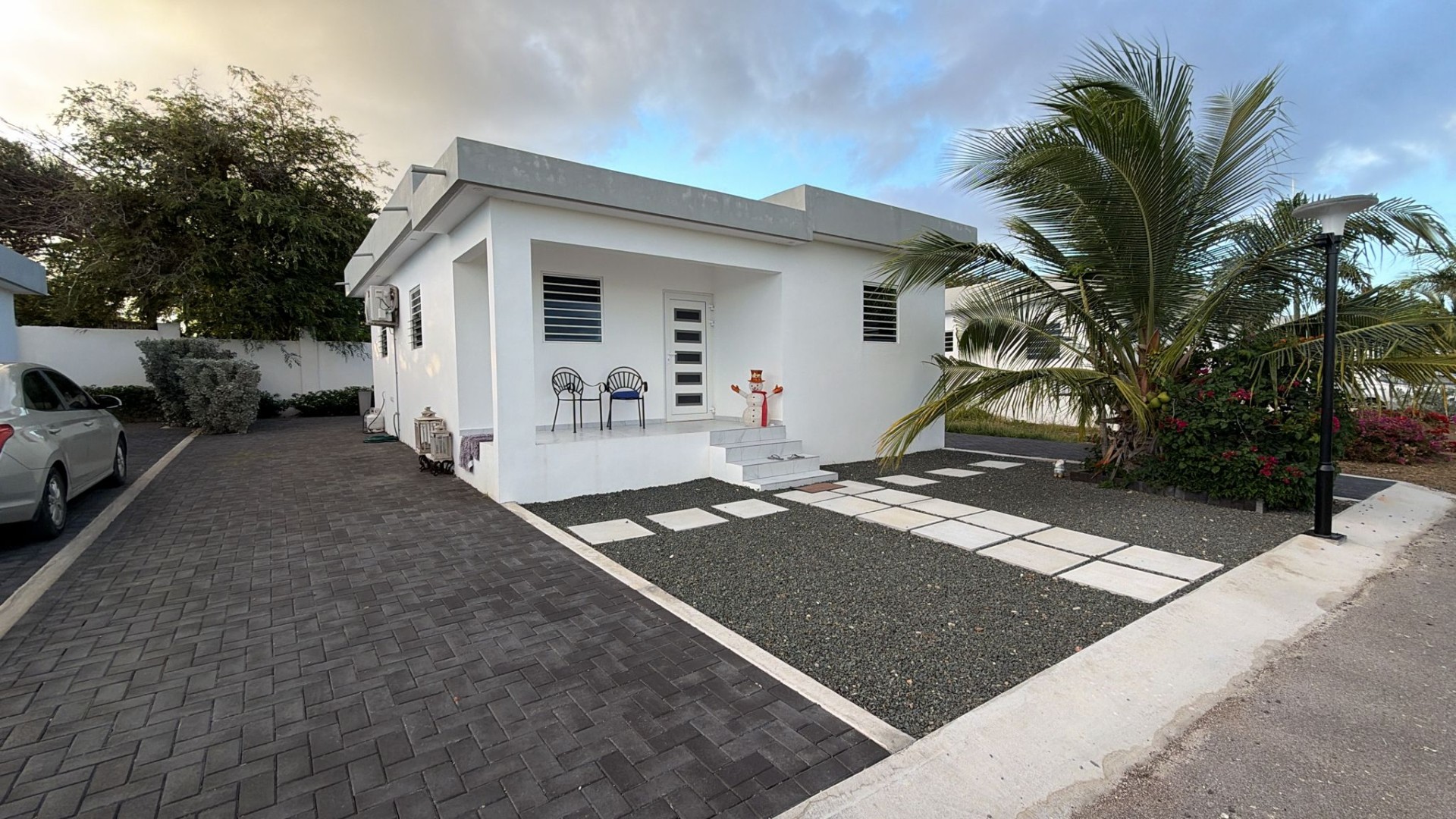
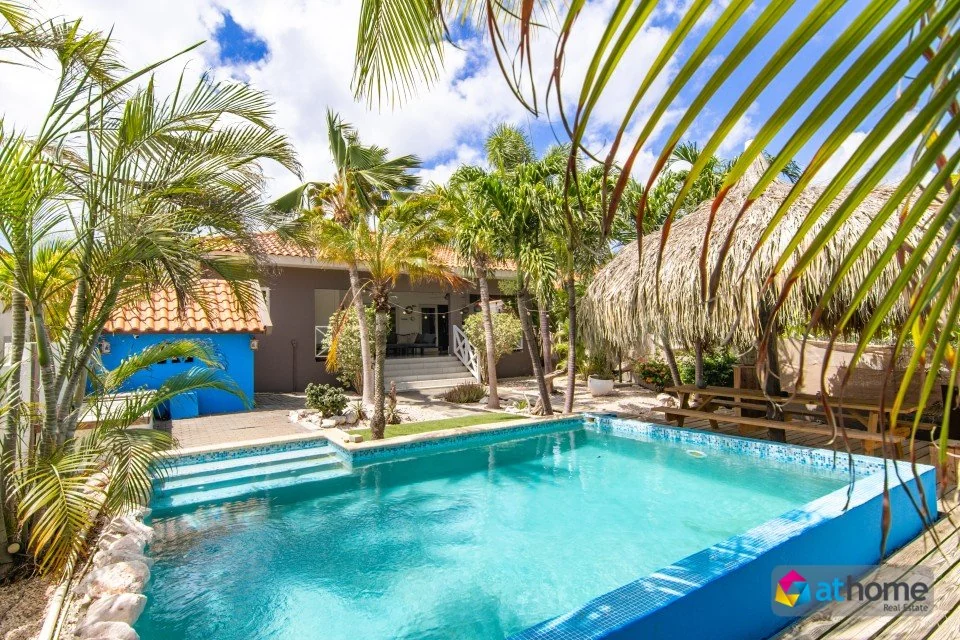
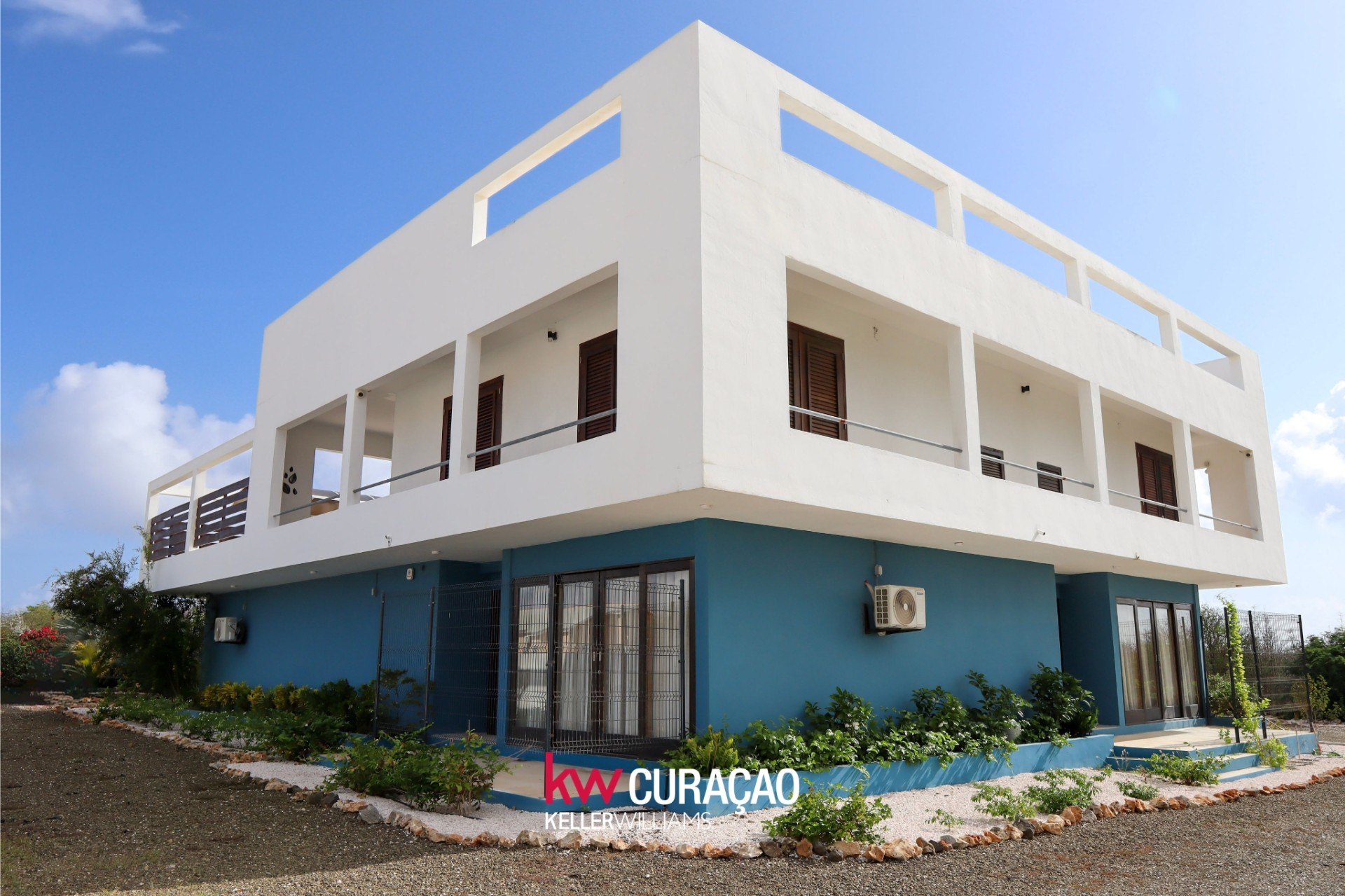
A bright living room with a view of a tropical garden in Curaçao

Moving to Curaçao involves several administrative, legal, and financial steps. This guide provides a practical checklist to help you manage the transition, from securing the correct residence permit to understanding local taxes and housing options.

Residence permits and legal entry

To live in Curaçao, you need a residence permit. You can submit an application for a permit or declaration to the Admission Office (Toelating). The requirements and the type of permit you need depend on your nationality and the purpose of your stay.

Specific rules apply based on citizenship:

  • Individuals with Dutch or American nationality have different application paths.
  • Those who are children of a Dutch citizen born in Curaçao must submit a specific request.
  • Consular staff, military personnel, or deployed personnel follow separate procedures.

If you have a foreign nationality, you must submit a request for a residence permit. Once a positive decision is reached, you make an appointment to collect your permit. If you wish to stay longer as a tourist before your permit is finalised, you can submit a request for an extension.

Health insurance and social security

Since 1 February 2013, the basic health insurance (basisverzekering ziektekosten, BVZ) has been mandatory for all residents of Curaçao. This system is managed by the Sociale Verzekeringsbank (SVB) and provides uniform access to healthcare.

The BVZ covers various medical needs, including:

  • Hospital admission and stay in the 3rd class, which includes nursing, specialist care, and pharmaceutical care.
  • Obstetric care for both mother and child.
  • Pharmaceutical care for medicines prescribed by a doctor or dentist, provided they are not on the SVB negative list. A co-payment of 1 Caribbean guilder (XCG) per prescription line applies.

Certain groups are excluded from the BVZ. These include people with a private insurance policy that offers at least the same coverage as the BVZ, or those exempt through international agreements. Persons who require a temporary residence permit (vergunning tot tijdelijk verblijf) to be admitted to Curaçao are also excluded.

Dental care is available to those under 18, pensioners, and individuals who can prove they earn less than XCG 12,000 per year.

Search homes

Search homes on Curaçao

Finding a home in Curaçao

Depending on your budget and lifestyle, you can choose to rent or buy a property. As of 20 October 2026, RealEstatesCuraçao listed 1,286 active properties: 945 for sale and 341 for rent.

For those looking to buy, the market includes various property types. As of 20 October 2026, listings included 241 apartments, 203 villas, 199 houses, and 131 plots of land. Based on 793 properties with published asking prices as of 20 October 2026, the median price was US$645,000. Half of these asking prices lay between US$395,000 and US$989,000.

Rental prices vary by location and size. As of 20 October 2026, the median monthly rent for 268 listed properties was US$1,840. Half of these monthly rents lay between US$1,340 and US$2,570.
Property taxes and transfer costs

When purchasing property in Curaçao, you are subject to a transfer tax (overdrachtsbelasting). This tax is 4% of the value of the property. The value is typically based on the agreed purchase price or a valuation agreed upon by the parties or determined by the notary.

Property owners are also responsible for an annual property tax (onroerendezaakbelasting, OZB). This tax replaces the previous land tax and is based on the economic value of the property. A definitive OZB assessment must be paid within 2 months of the date of issue.

If you are buying land, be aware that some properties may be subject to a long lease (erfpacht). In cases where a building is located on land owned by the Government of Curaçao, the tenant of the land is responsible for the OZB on the value of the building.

The notary plays a central role in the property transfer process, handling the legal documentation and ensuring the transaction is recorded correctly. For more details on these steps, you can refer to our guide on buying property in Curaçao as a foreigner.

Regarding currency, the Caribbean guilder (XCG) is the legal tender as of 31 March 2025. It replaced the Netherlands Antillean guilder (ANG). The Caribbean guilder is pegged to the U.S. dollar at a fixed exchange rate of US$1 = 1.79.

Homes by budget

Homes for sale on Curaçao by budget

Asking prices in US$, exactly as each broker publishes them. Choose a budget to see the newest homes in that range.

Budget (asking price)

Climate and environment

Curaçao has a warm climate throughout the year. Based on climatological data from Hato Airport for the period 1991-2020, the average annual air temperature is 28.1°C. The highest average maximum temperatures occur in August (32.8°C) and September (33.0°C).

Rainfall is most frequent in the latter part of the year. November is the wettest month, with an average monthly rainfall of 141.0 mm, while May is the driest month with an average of 15.3 mm.

When to get professional advice

Moving and buying property in Curaçao involves legal and financial complexities. You should consult the following professionals for specific guidance:

  • Notary: Essential for all property transfers, checking the land registry (Kadaster), and drafting the purchase agreement.
  • Lawyer: For assistance with residence permit appeals, objections to the Admission Office, or complex contract disputes.
  • Tax adviser: To understand your personal tax obligations and the specific application of the transfer tax or annual property tax (OZB) to your situation.

Frequently asked questions

Do I need a residence permit to live in Curaçao?

Yes, you need a residence permit to stay in Curaçao. You can submit an application for a permit or declaration to the Admission Office (Toelating). The requirements depend on your nationality and the purpose of your stay.

What is the official currency in Curaçao?

The official currency is the Caribbean guilder (XCG), which became legal tender on 31 March 2025. It is pegged to the U.S. dollar at a fixed exchange rate of US$1 = 1.79.

What is the property transfer tax rate?

The transfer tax (overdrachtsbelasting) is 4% of the value of the property. This value is typically based on the agreed purchase price or a valuation.

Is health insurance mandatory for residents?

Yes, since 1 February 2013, the basic health insurance (basisverzekering ziektekosten, BVZ) is mandatory for all residents of Curaçao. It is administered by the Sociale Verzekeringsbank (SVB).

Sources

Related areas

Explore the regions of Curaçao

Picture of RealEstatesCuraçao
RealEstatesCuraçao
Newsletter

New listings and blog posts, once a week

One short email: the newest homes added to the portal and the latest guides from the blog.
No spam. Confirm via the email we send you; unsubscribe any time. Privacy policy