Moving to Curaçao involves navigating residence permits, understanding the local property market, and adapting to daily life. This guide explains how to secure legal residency, what to expect when renting or buying a home, and the basic financial rules for expats living on the island.
Residency requirements for expats
To live in Curaçao, you need a residence permit. Applications are submitted to the Admission Office (Toelating), which is managed by the Ministry of Justice. The office handles requests for both short-term and long-term stays, including permits to live and work on the island.
The application process involves several steps:
- Submit a request for a residence permit or declaration through the official admission portal.
- Wait for a decision on the application.
- If the decision is positive, schedule an appointment to collect the permit.
The Admission Organization charges fees for its services and may require a guarantee deposit. If you are visiting as a tourist and wish to extend your stay, you must submit a specific request for this purpose. If you disagree with a decision regarding your residence permit, the government allows you to file an objection or appeal.
Housing market overview
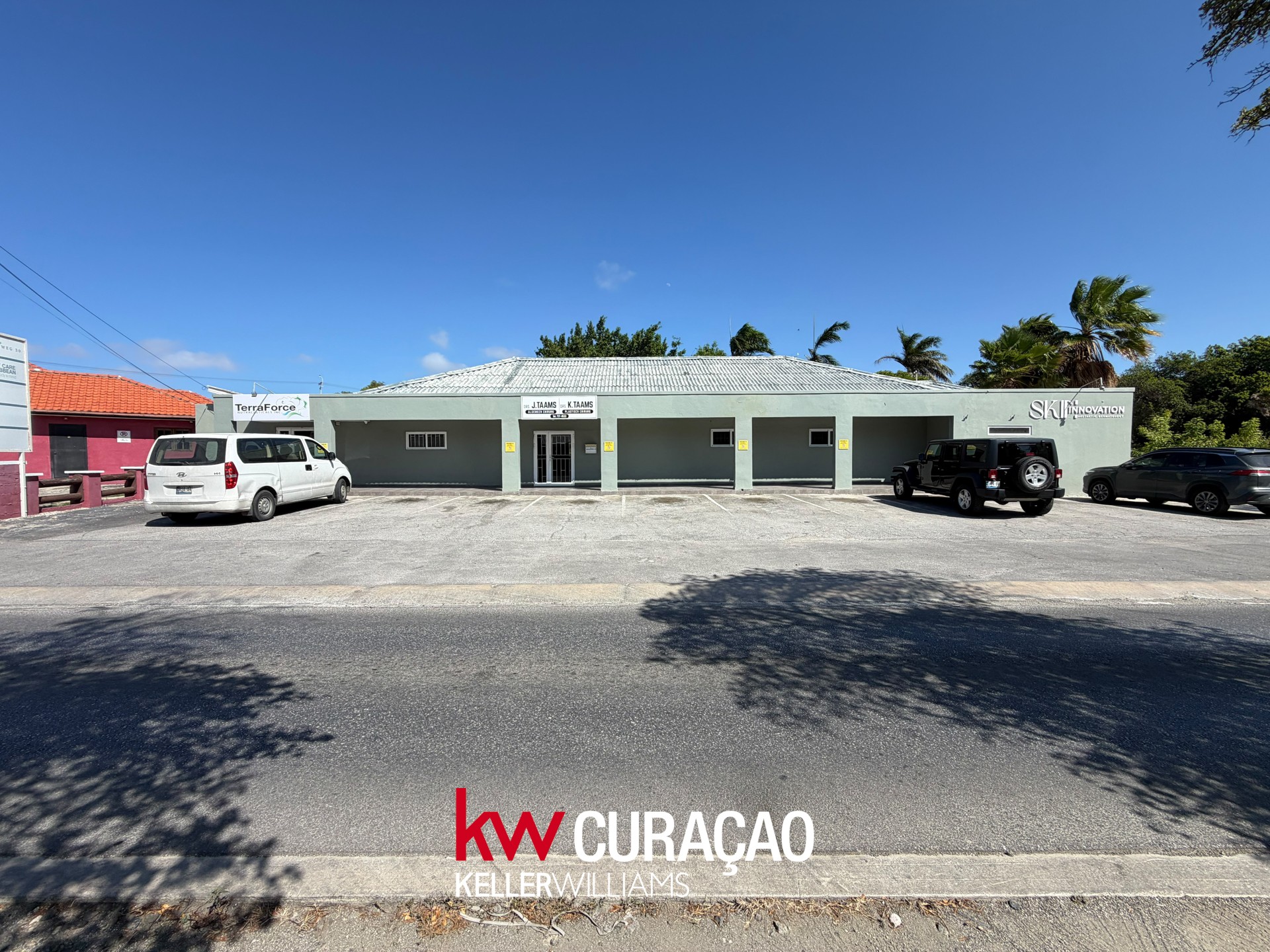
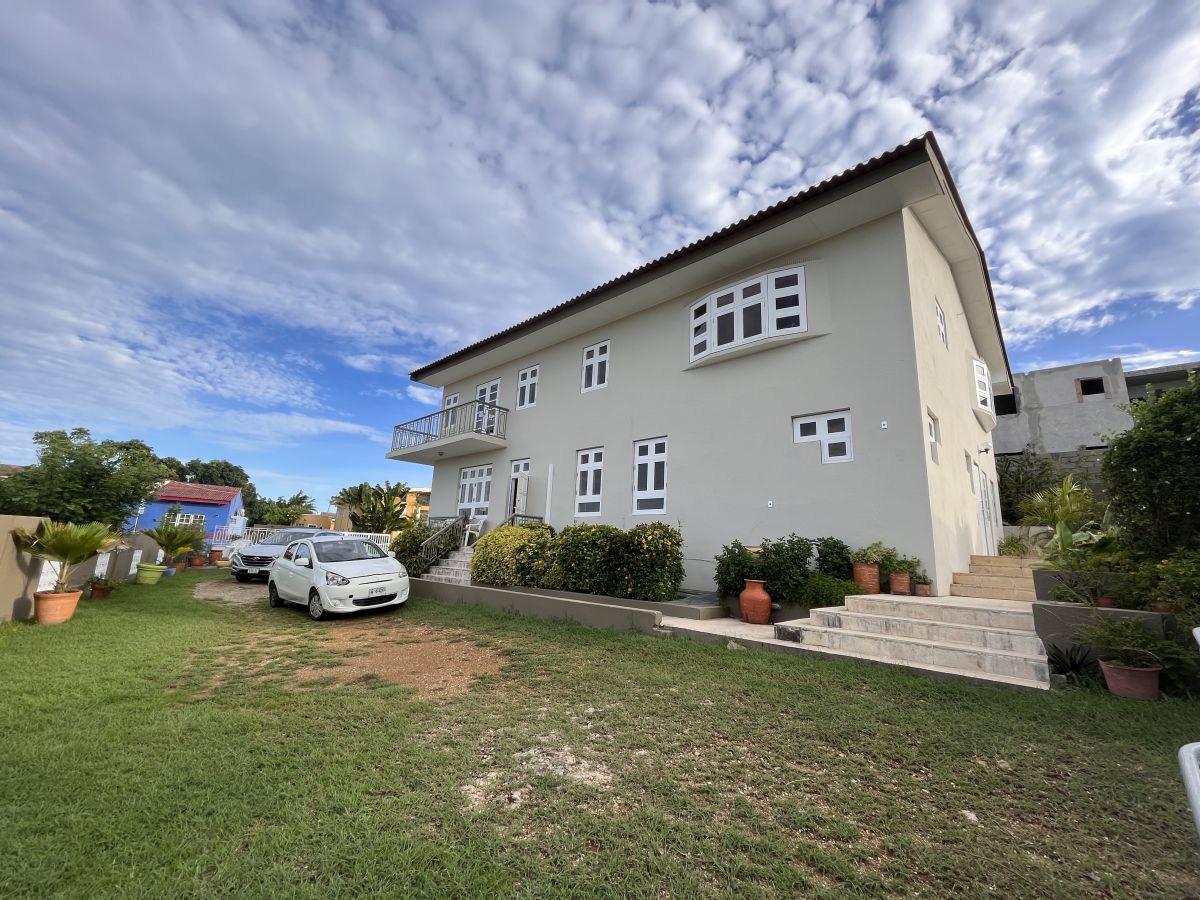
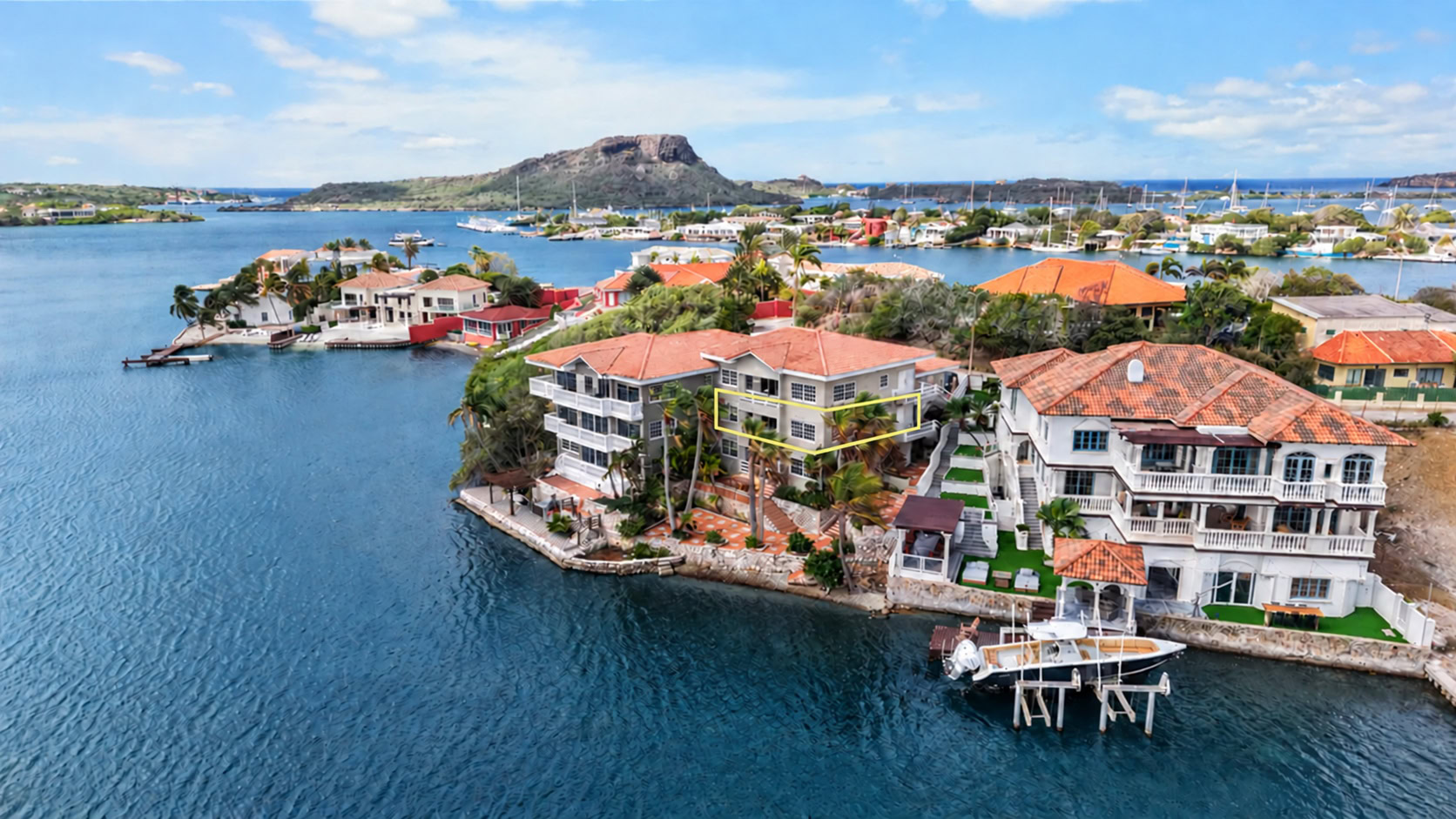
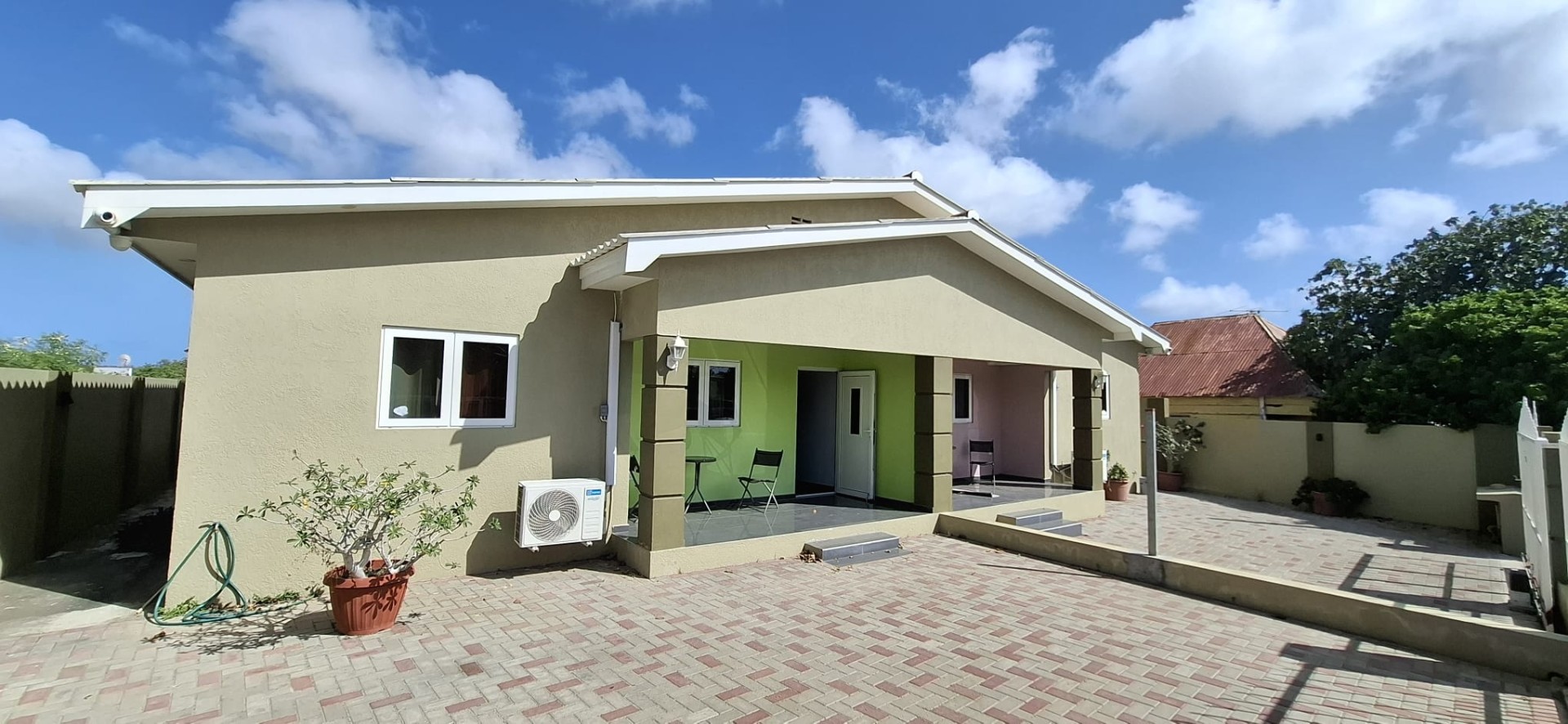
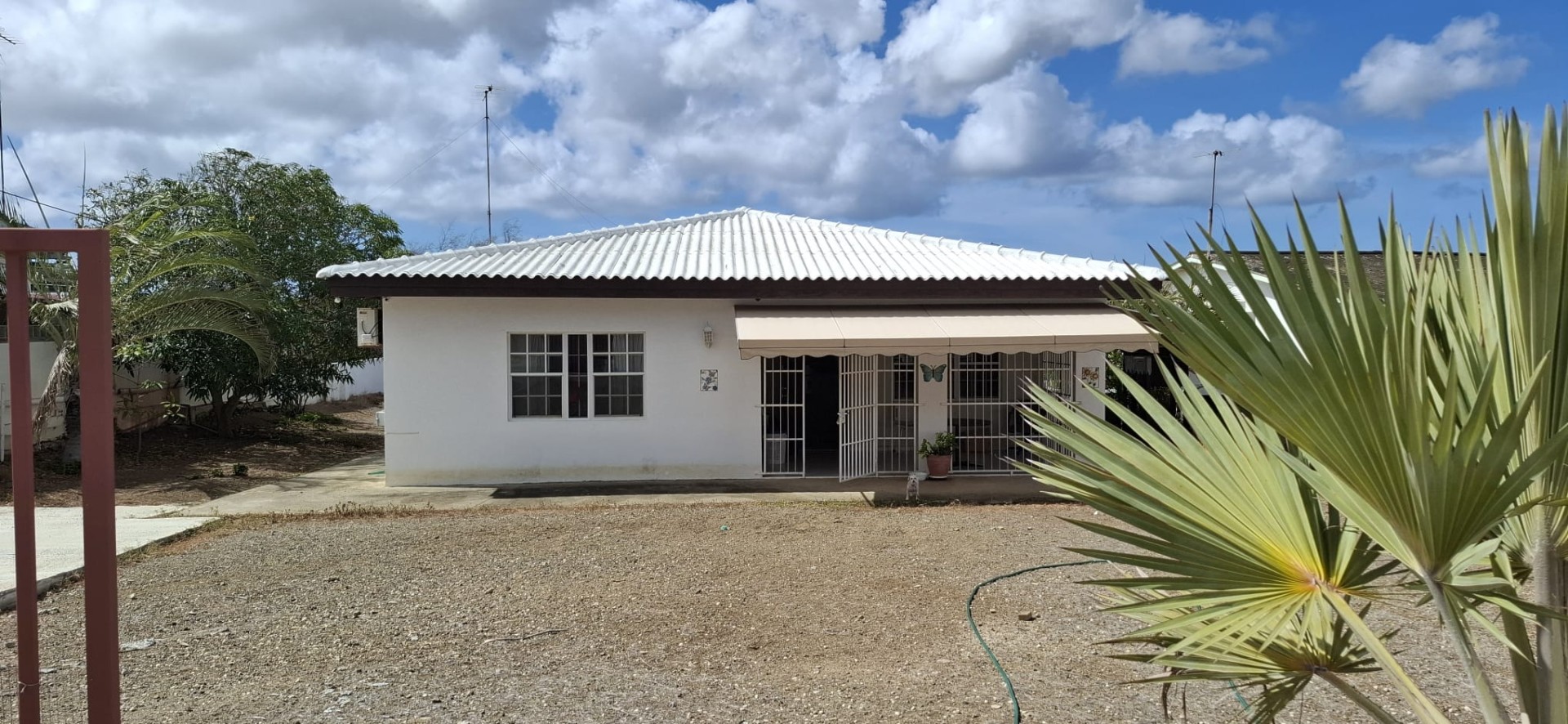
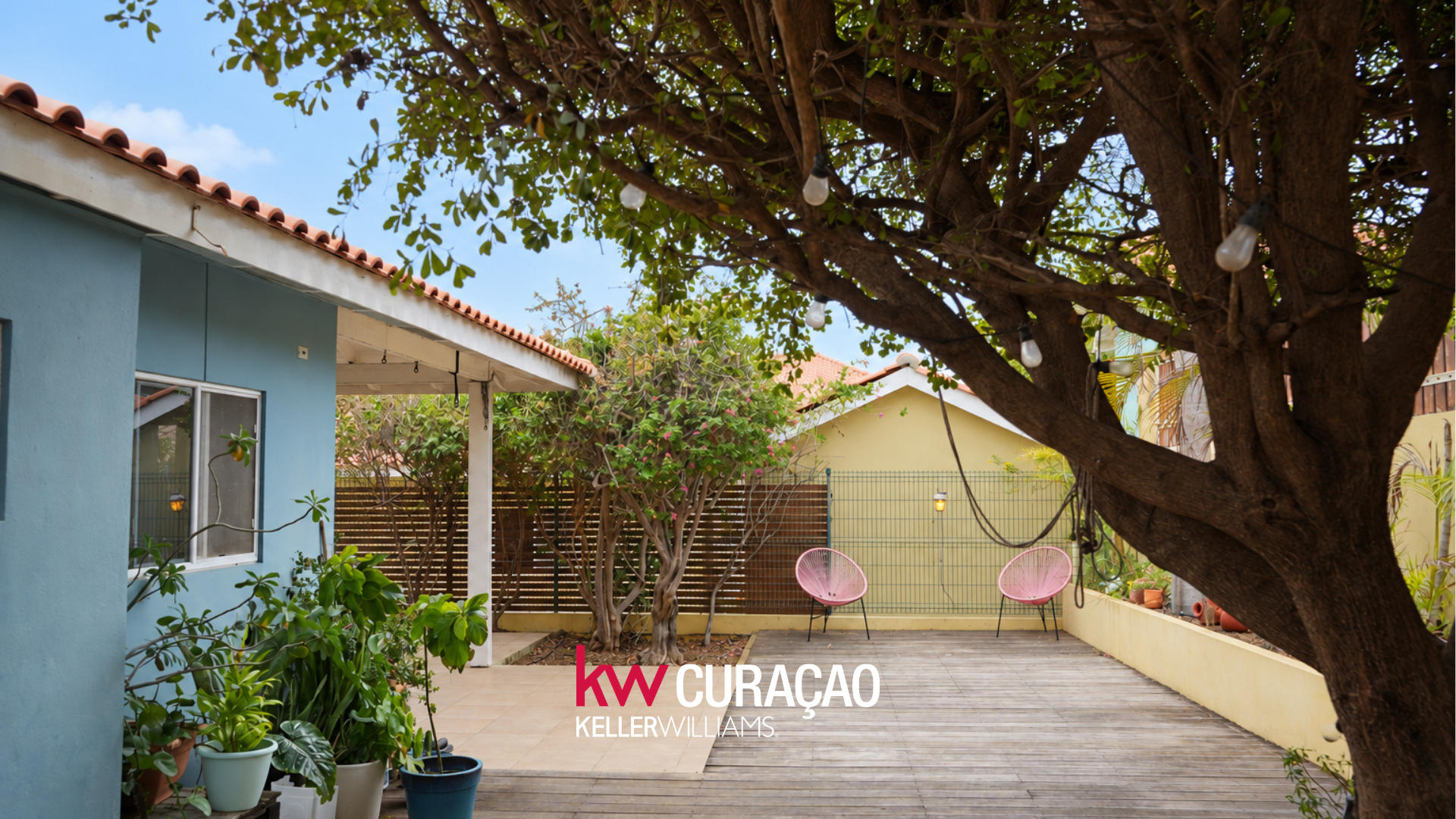
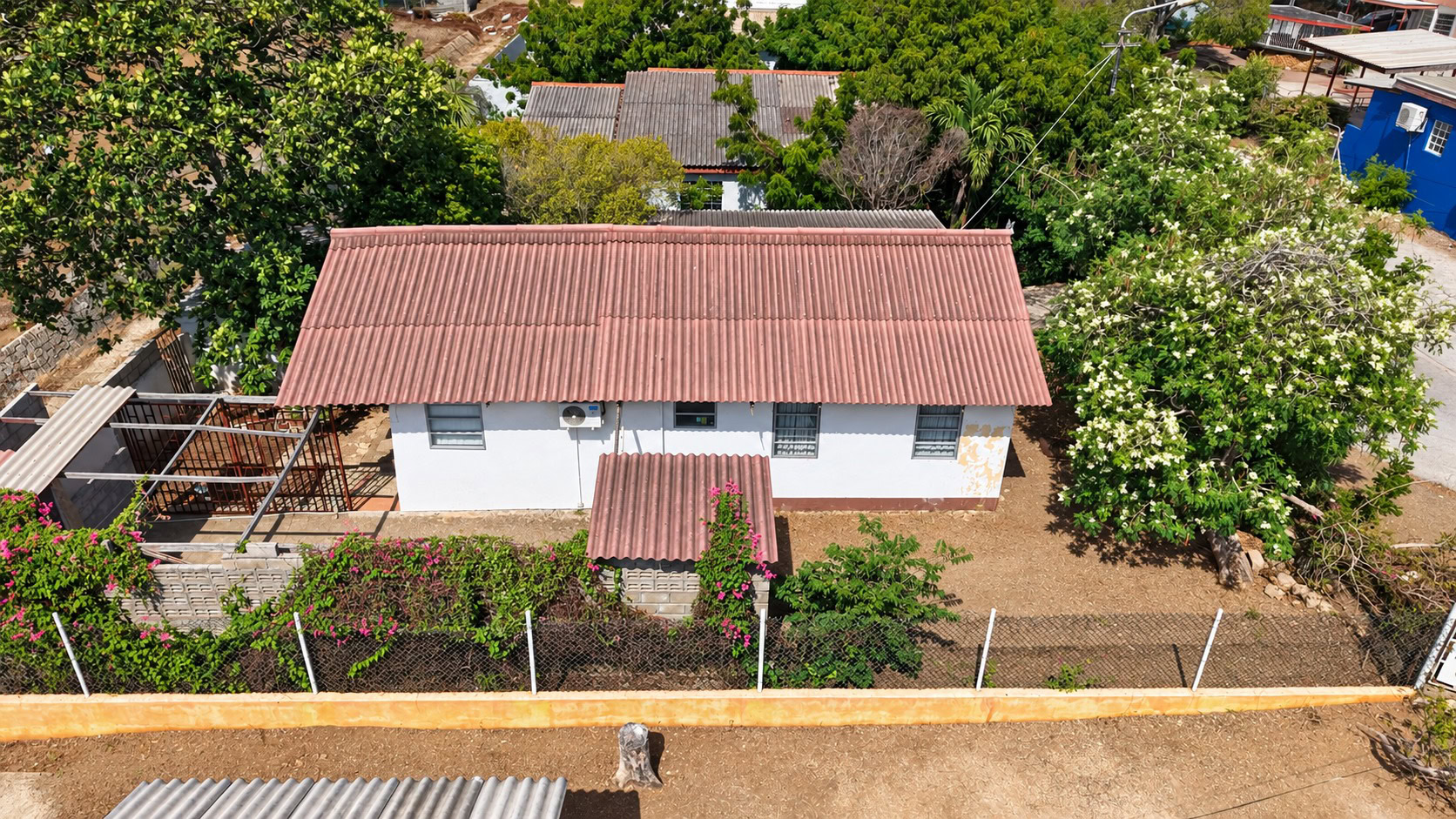
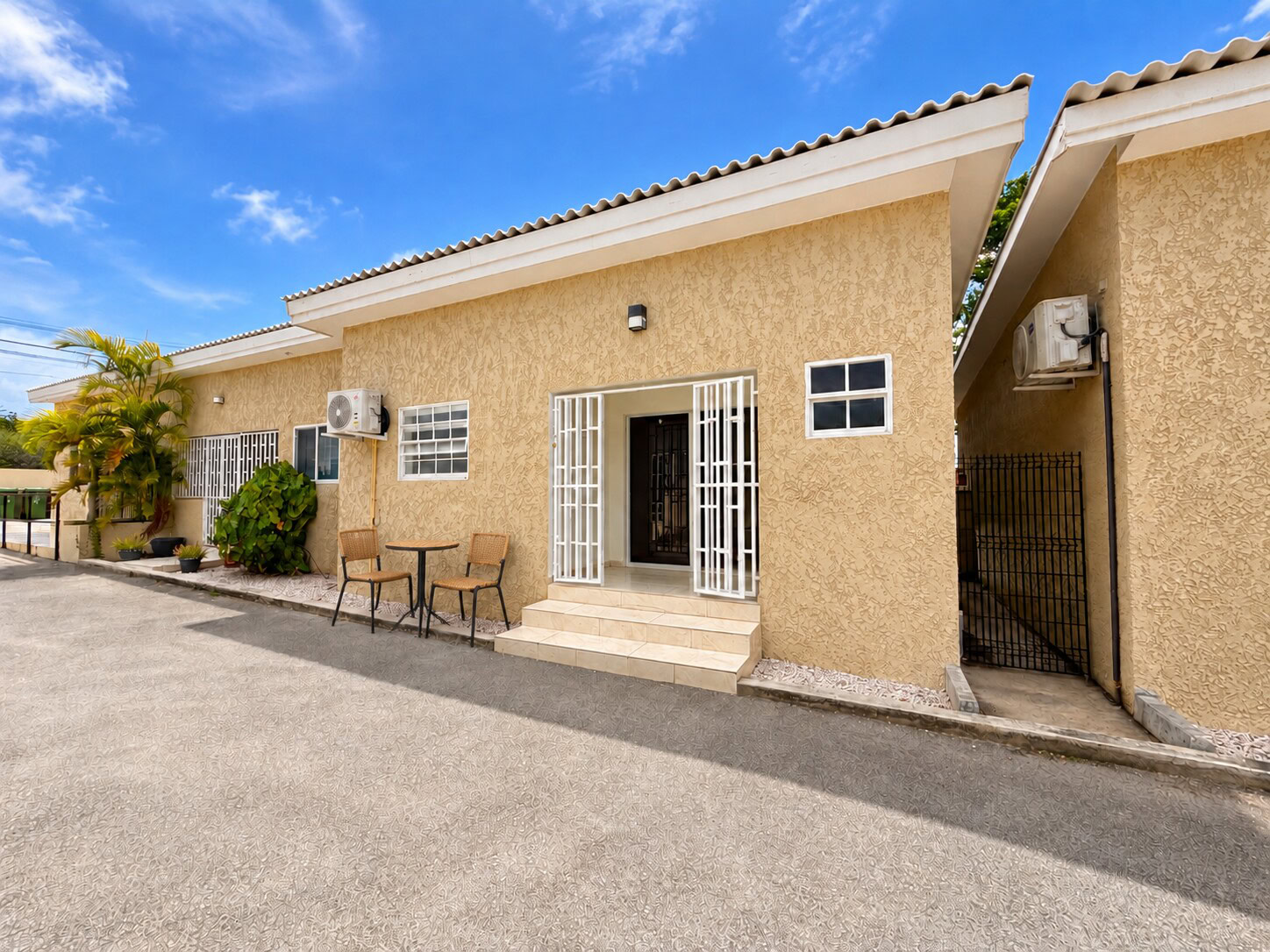
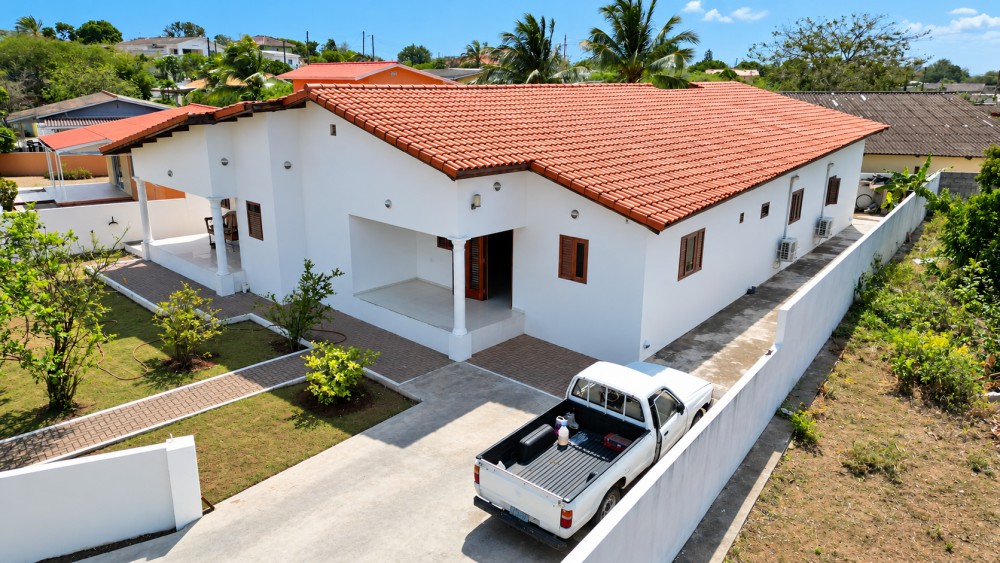
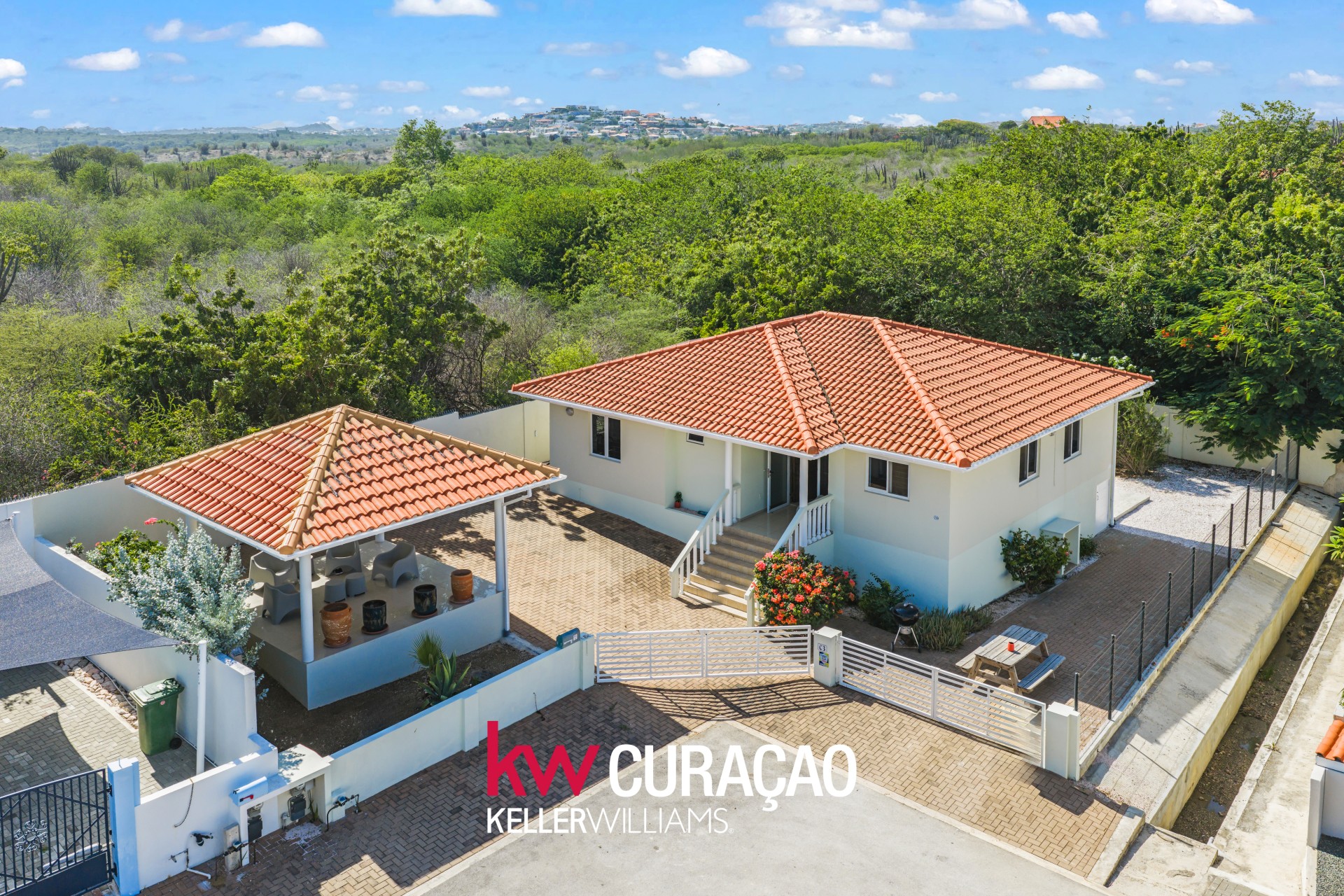
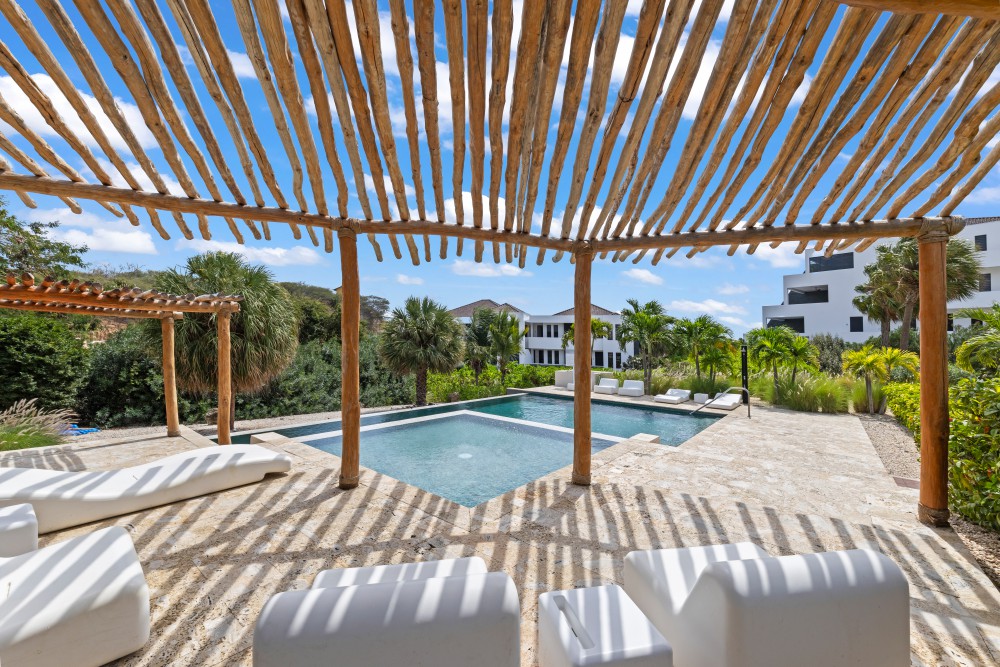
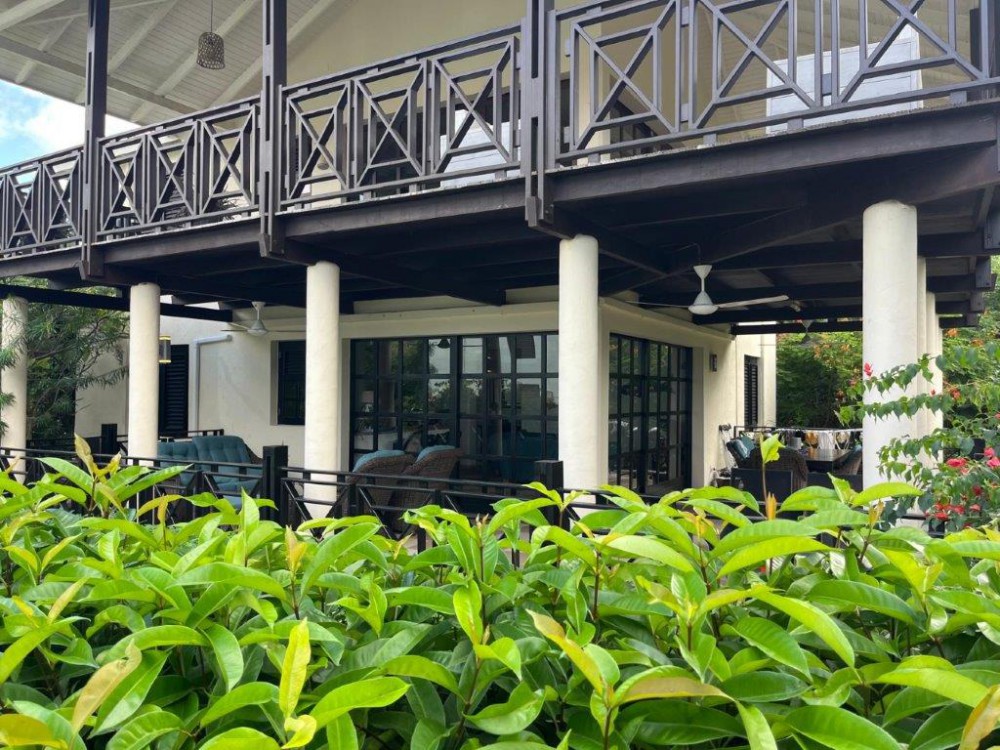
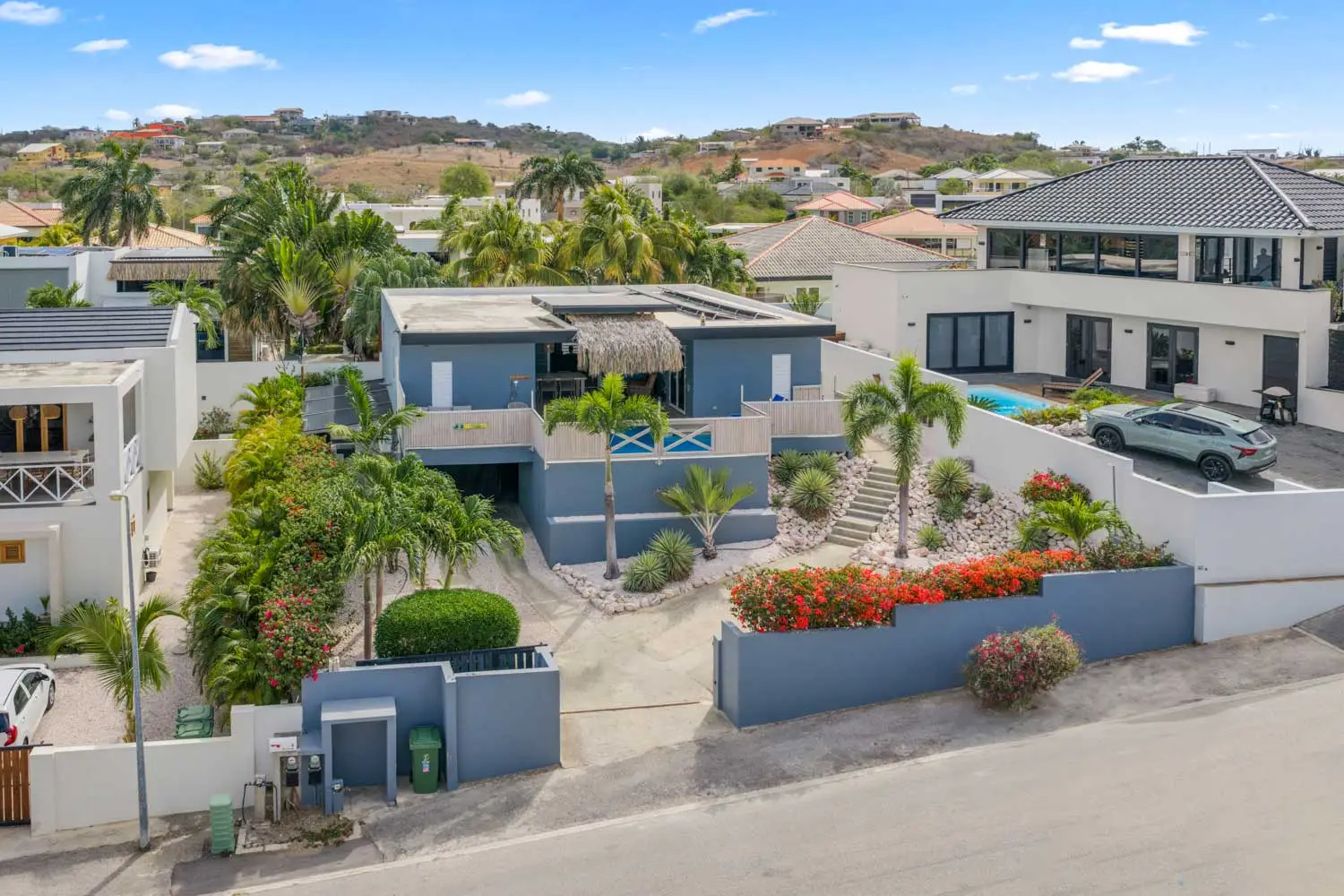
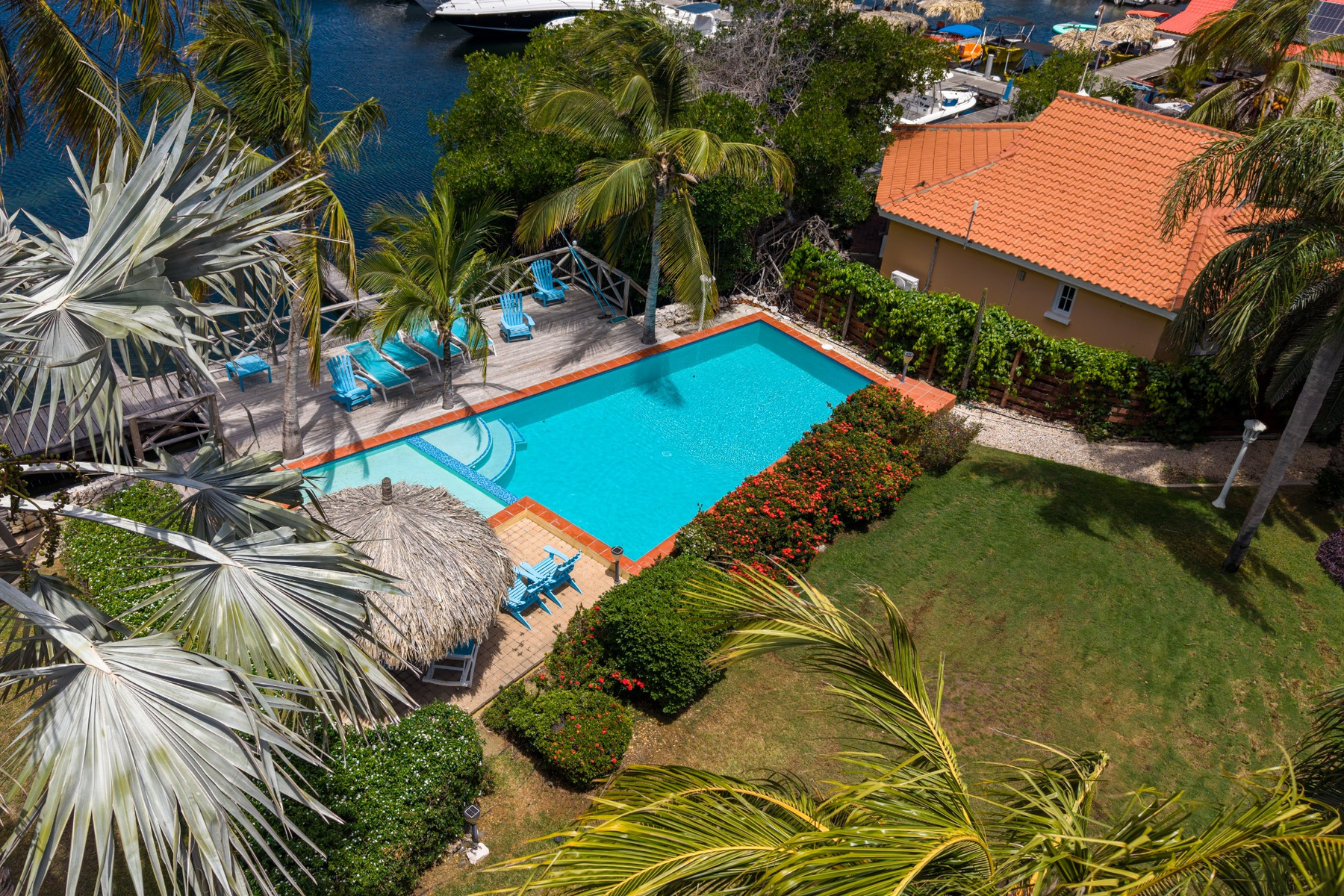
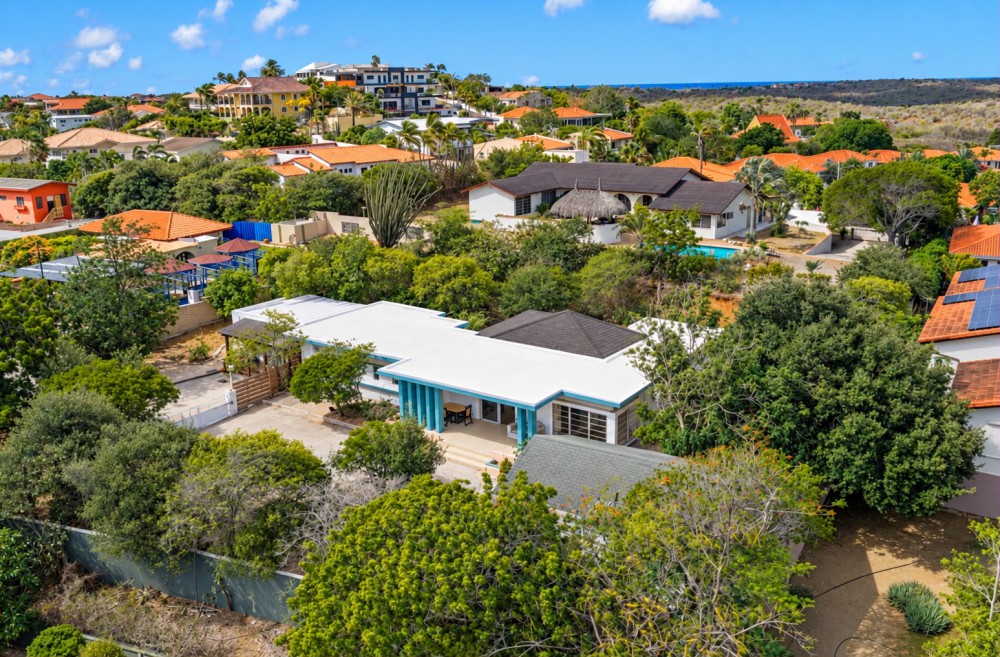
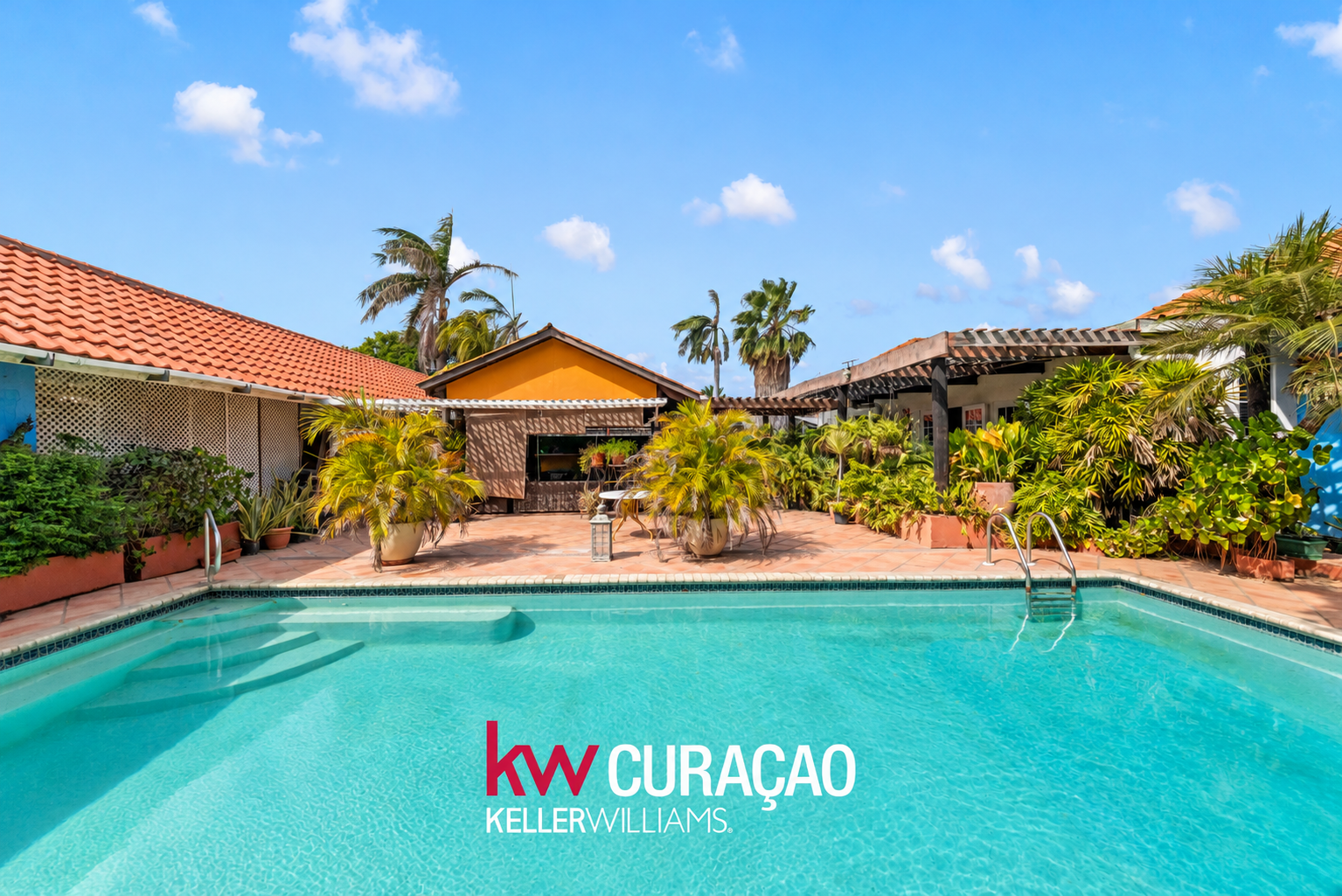
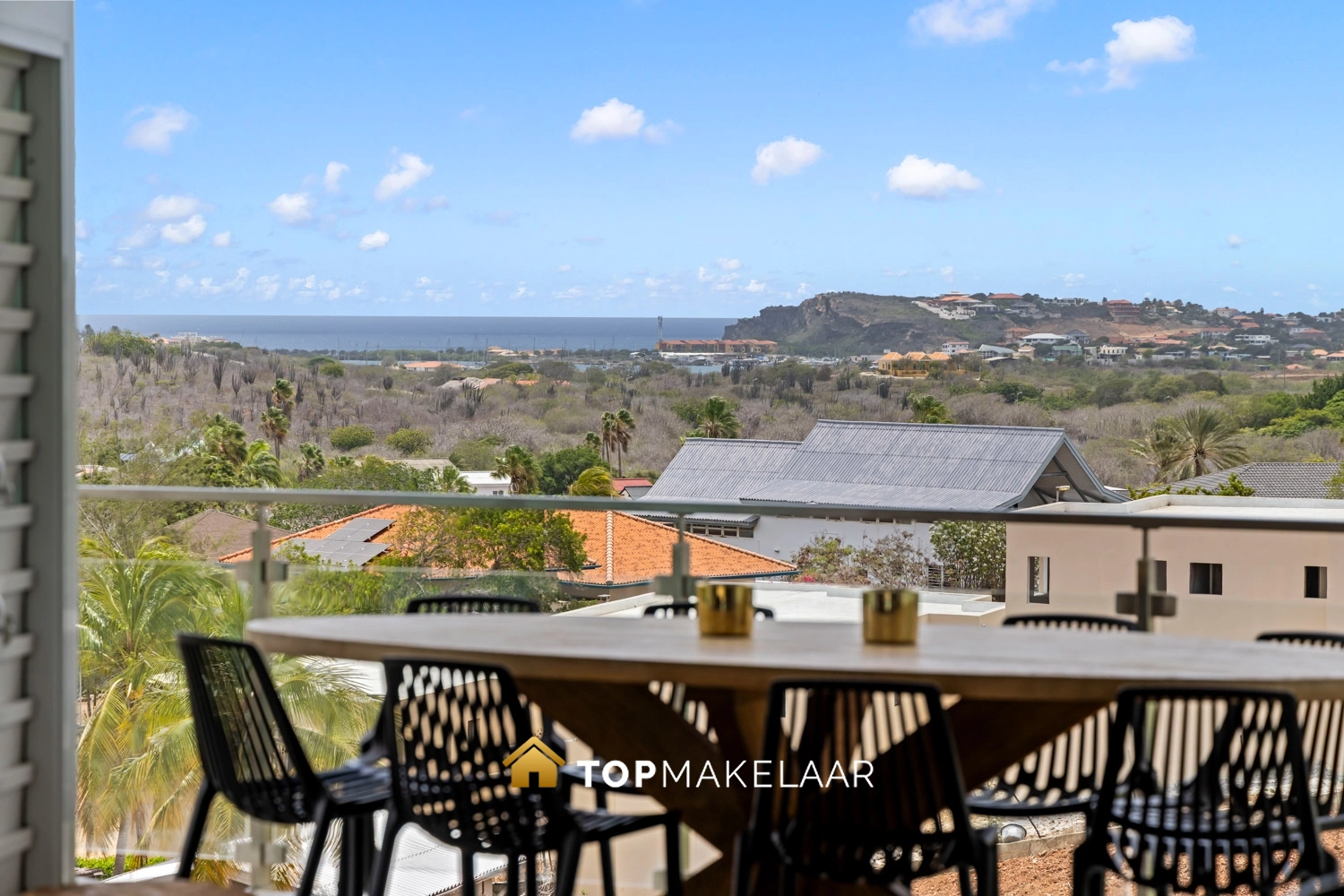
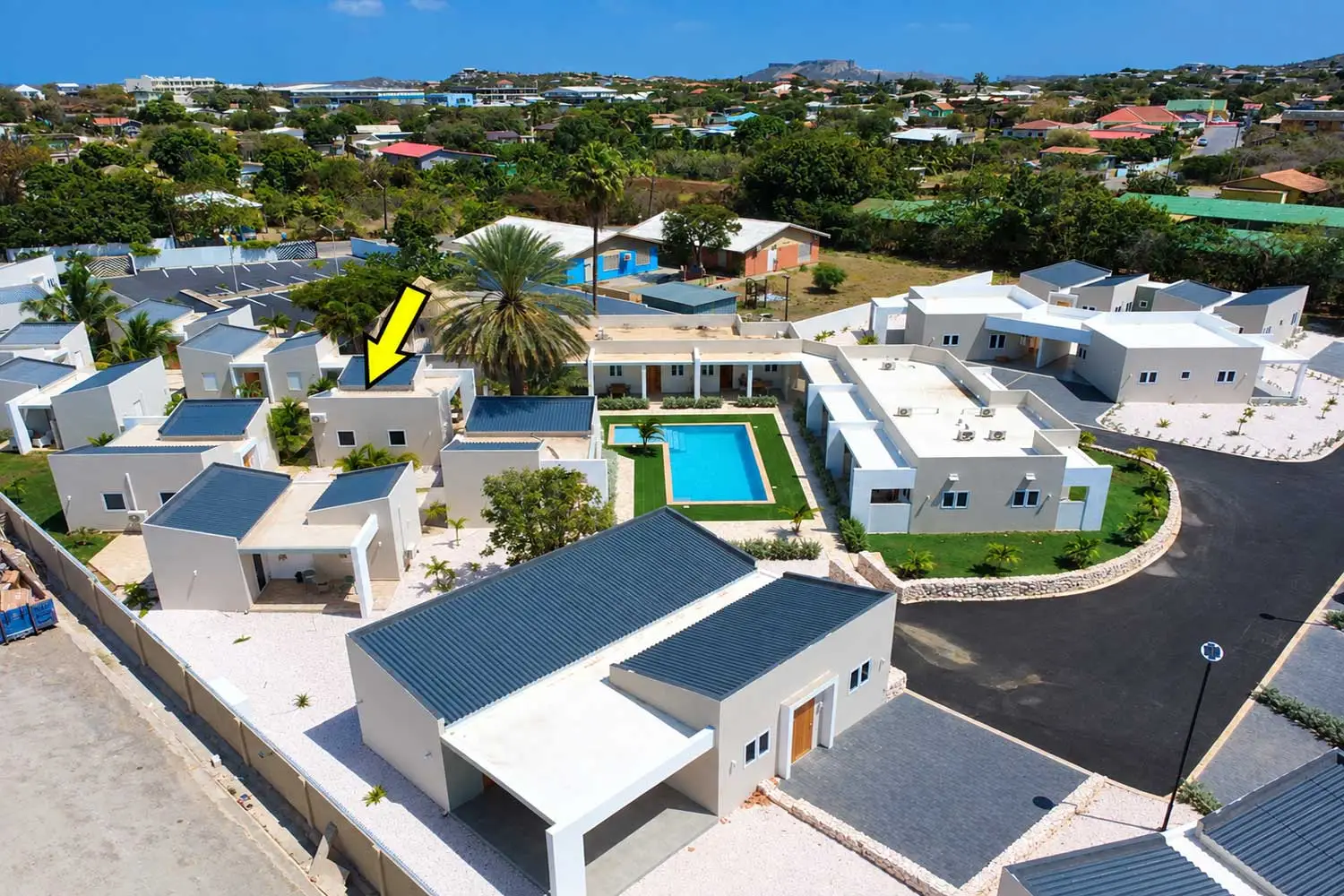
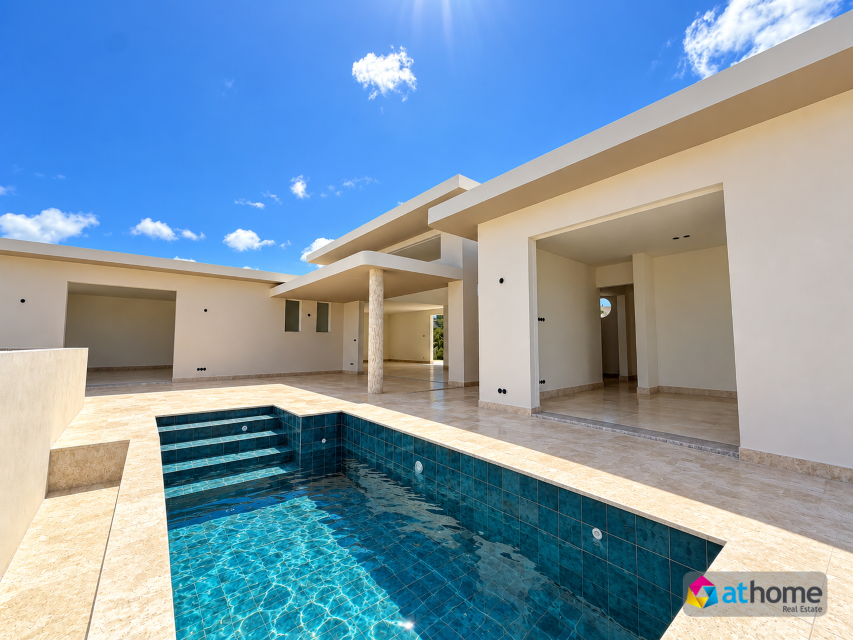
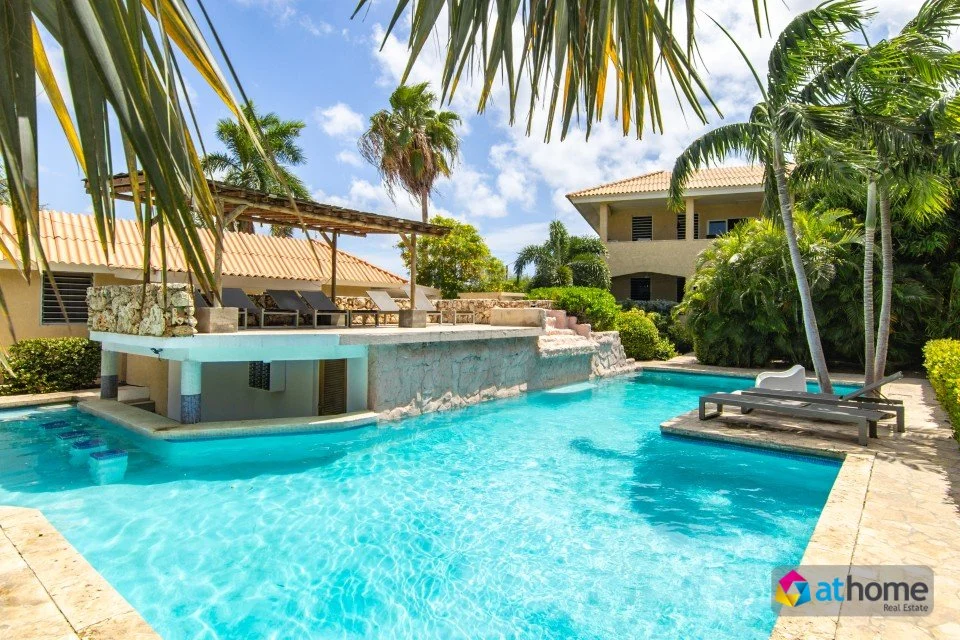
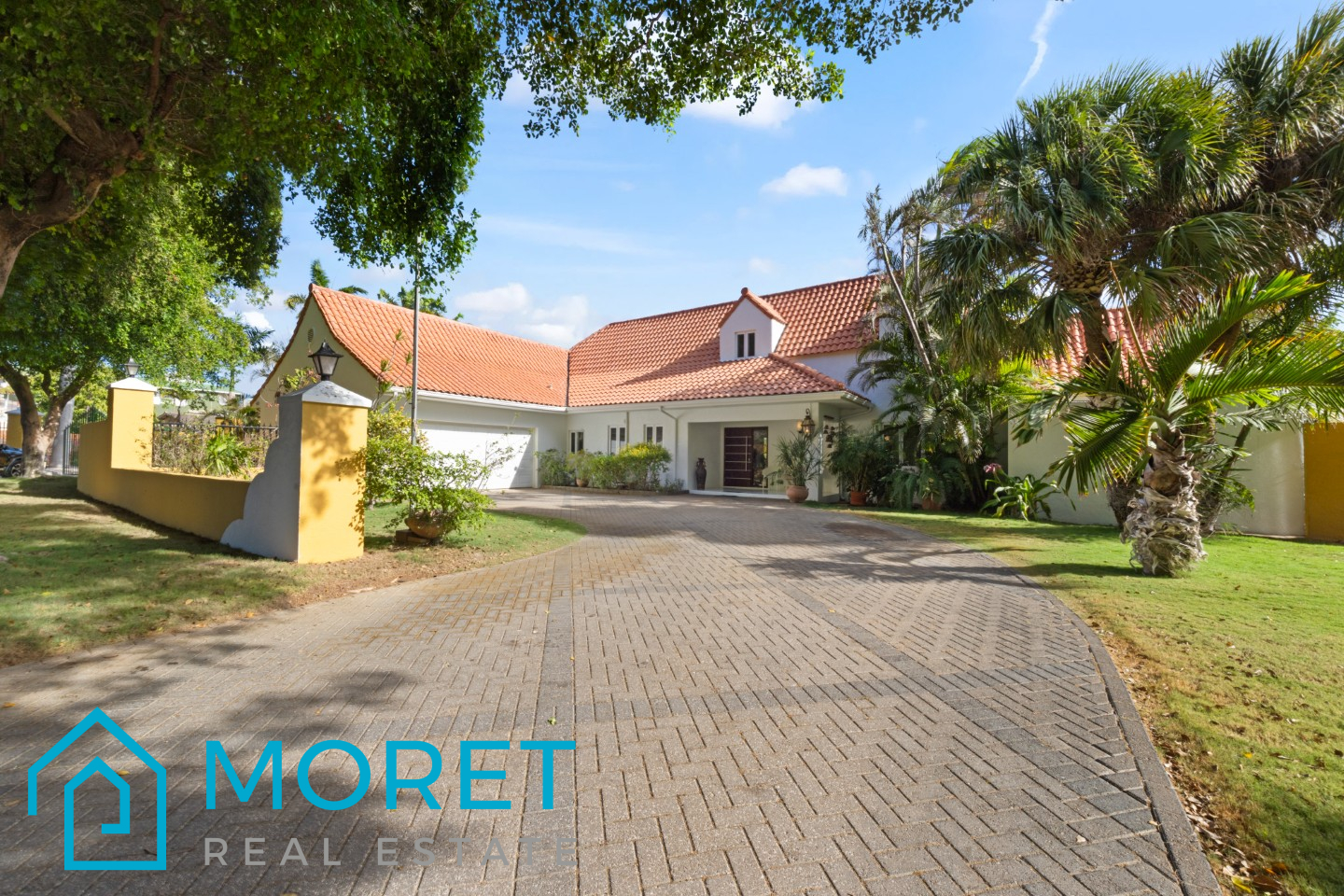
The Curaçao property market offers a variety of options for expats, including houses, villas, apartments, and plots of land. As of 13 October 2026, RealEstatesCuraçao listed 1,101 active properties: 788 for sale and 313 for rent.
For those looking to buy, the market data as of 13 October 2026 shows that among 690 properties with a published asking price, the median was US$697,000. Half of these asking prices lay between US$384,000 and US$1,117,000. Prices vary by region; for example, the median asking price in the Jan Thiel Region was US$899,000 (based on 184 published prices), while in the Santa Rosa Region it was US$355,000 (based on 63 published prices).
For those seeking rentals, the median monthly rent was US$1,870 as of 13 October 2026, based on 242 rentals with a published monthly price. Half of these monthly rents lay between US$1,340 and US$2,700.



Buying property as a non-resident
Foreigners can buy real estate in Curaçao, but the process requires specific legal steps. A notary is central to the transaction and handles the official transfer of ownership. For a detailed breakdown of these steps, you can refer to our guide on buying property in Curaçao as a foreigner.
Before completing a purchase, buyers should conduct due diligence. This process ensures the property is free of undisclosed liens or legal issues. A comprehensive due diligence checklist can help manage this phase.
Taxes and closing costs
Buying property involves several one-time and recurring costs. The most significant initial cost is the transfer tax (overdrachtsbelasting). According to the Overdrachtsbelastingverordening 1908, this tax is 4% of the value of the property. The value is typically based on the agreed purchase price; however, if the tax inspector finds the stated price to be incorrect or too low, they may adjust the value used for the tax calculation.
Property owners are also subject to an annual property tax known as onroerendezaakbelasting (OZB). This tax replaced the previous land tax on 1 January 2014. The OZB is based on the value of the property in economic circulation and uses a bracketed tax rate. A final OZB assessment must be paid within 2 months of the date on the notice.
Other closing costs may apply, including notary fees and administrative charges. For a full list of these expenses, see our article on closing costs when buying property in Curaçao.
Financing and mortgages
Non-residents may seek mortgage financing to purchase a home. The requirements and availability of loans vary depending on the lender and the buyer’s financial profile. For more information on how to secure a loan, see our guide on getting a mortgage in Curaçao as a non-resident.