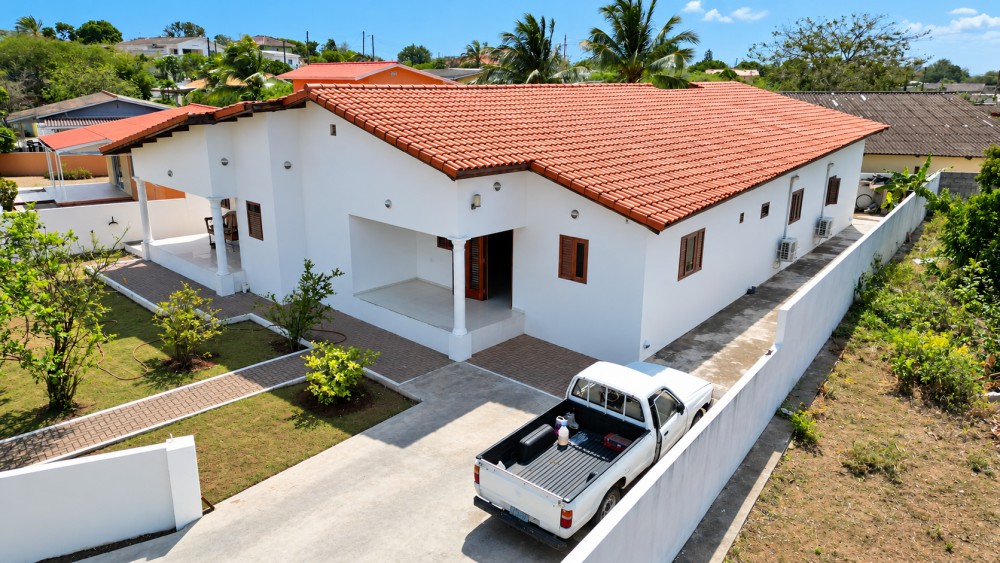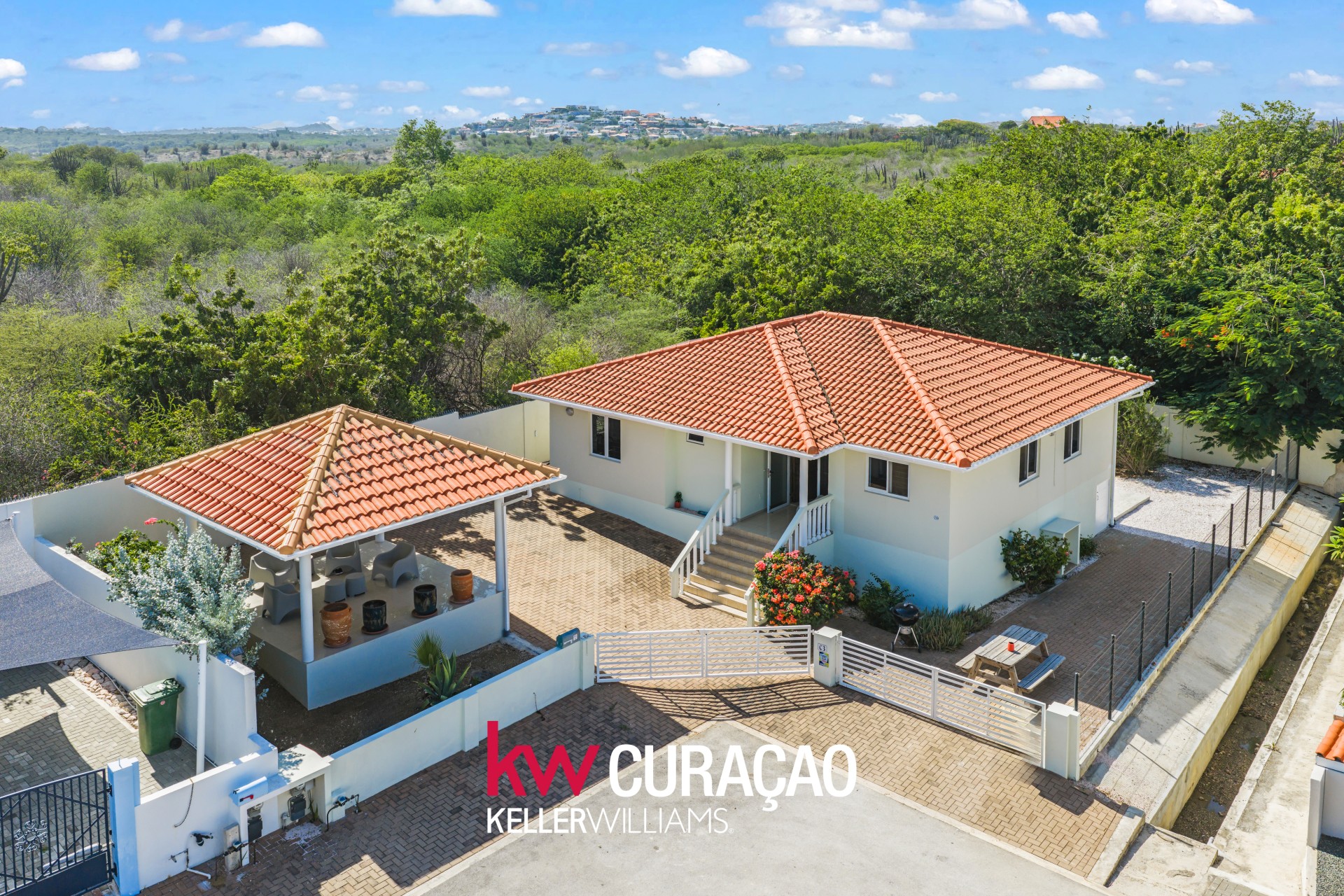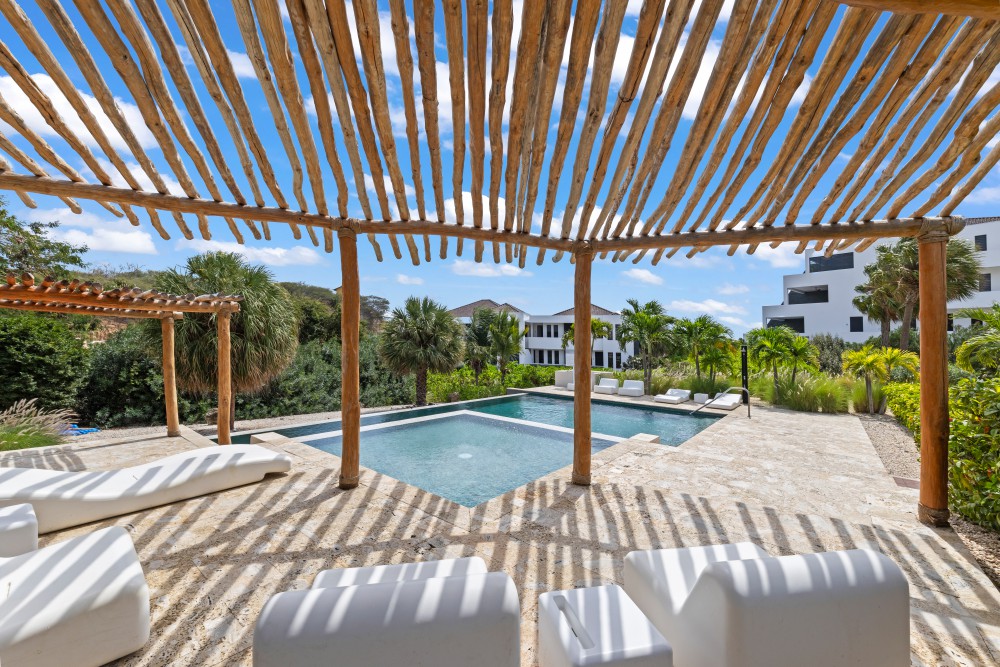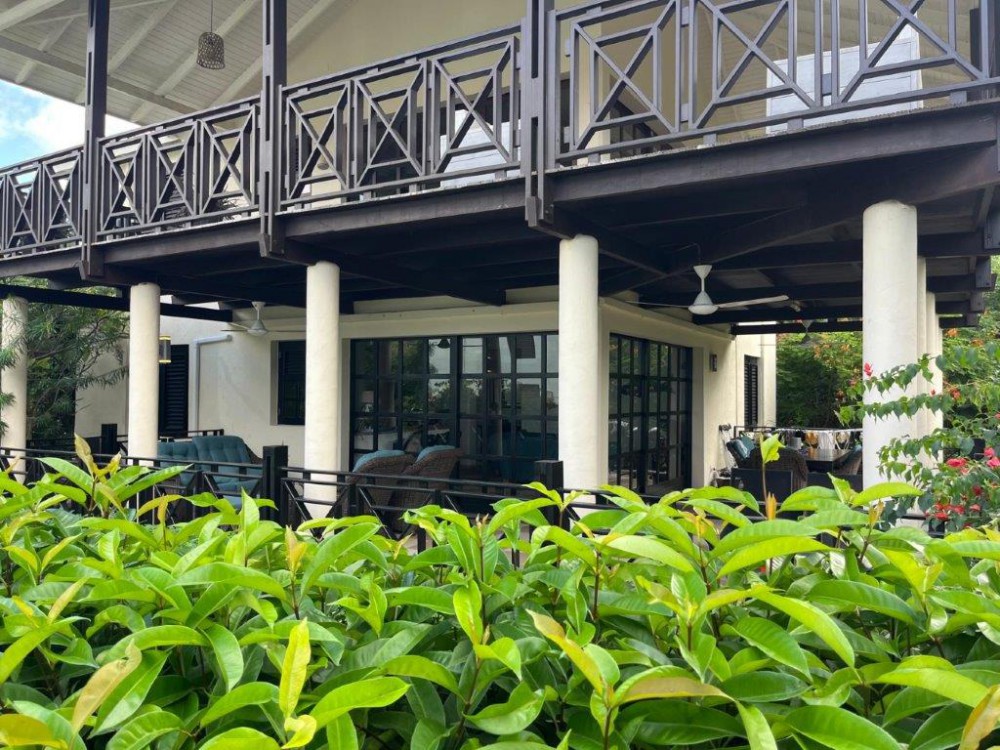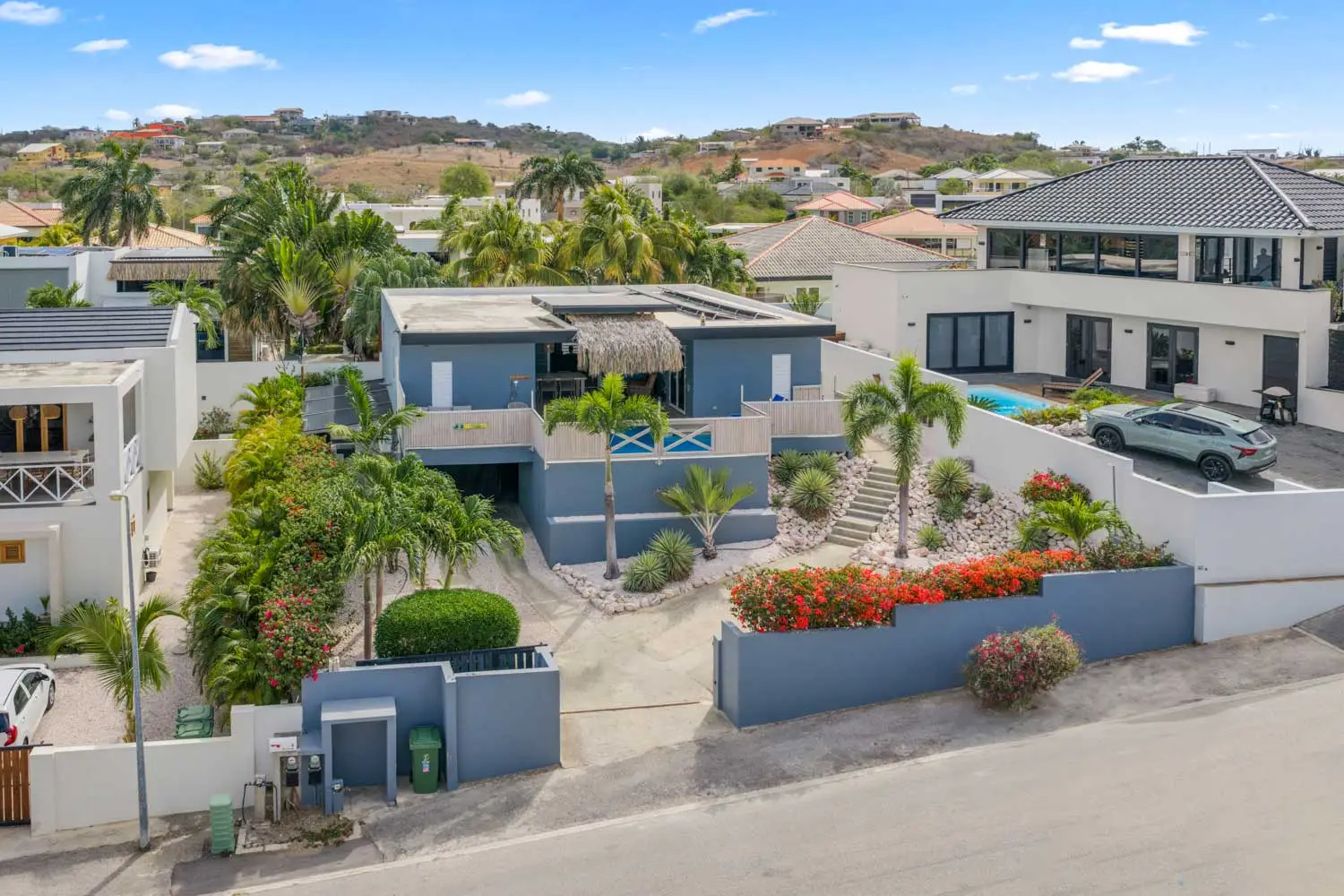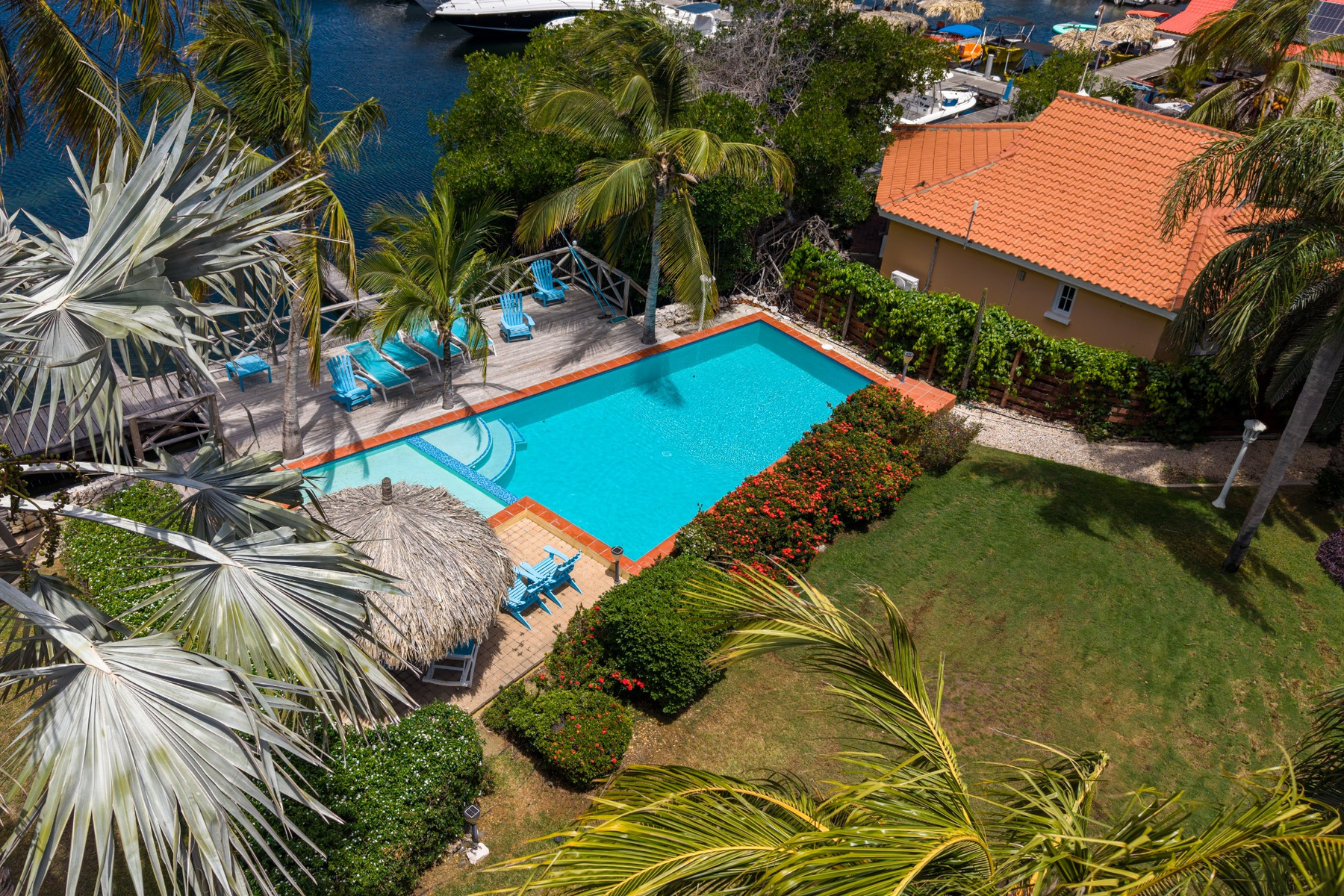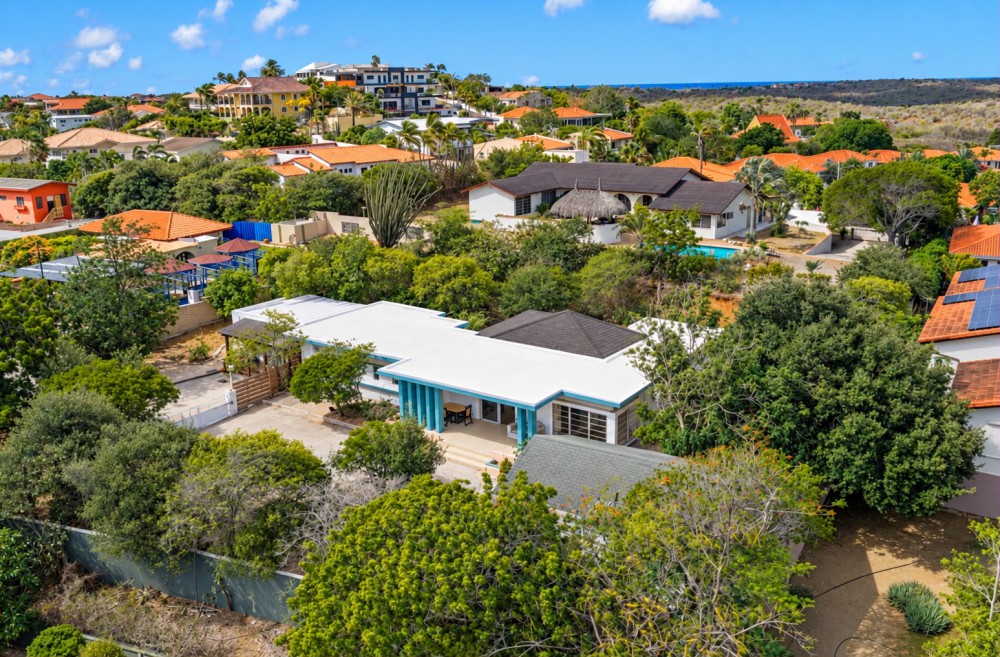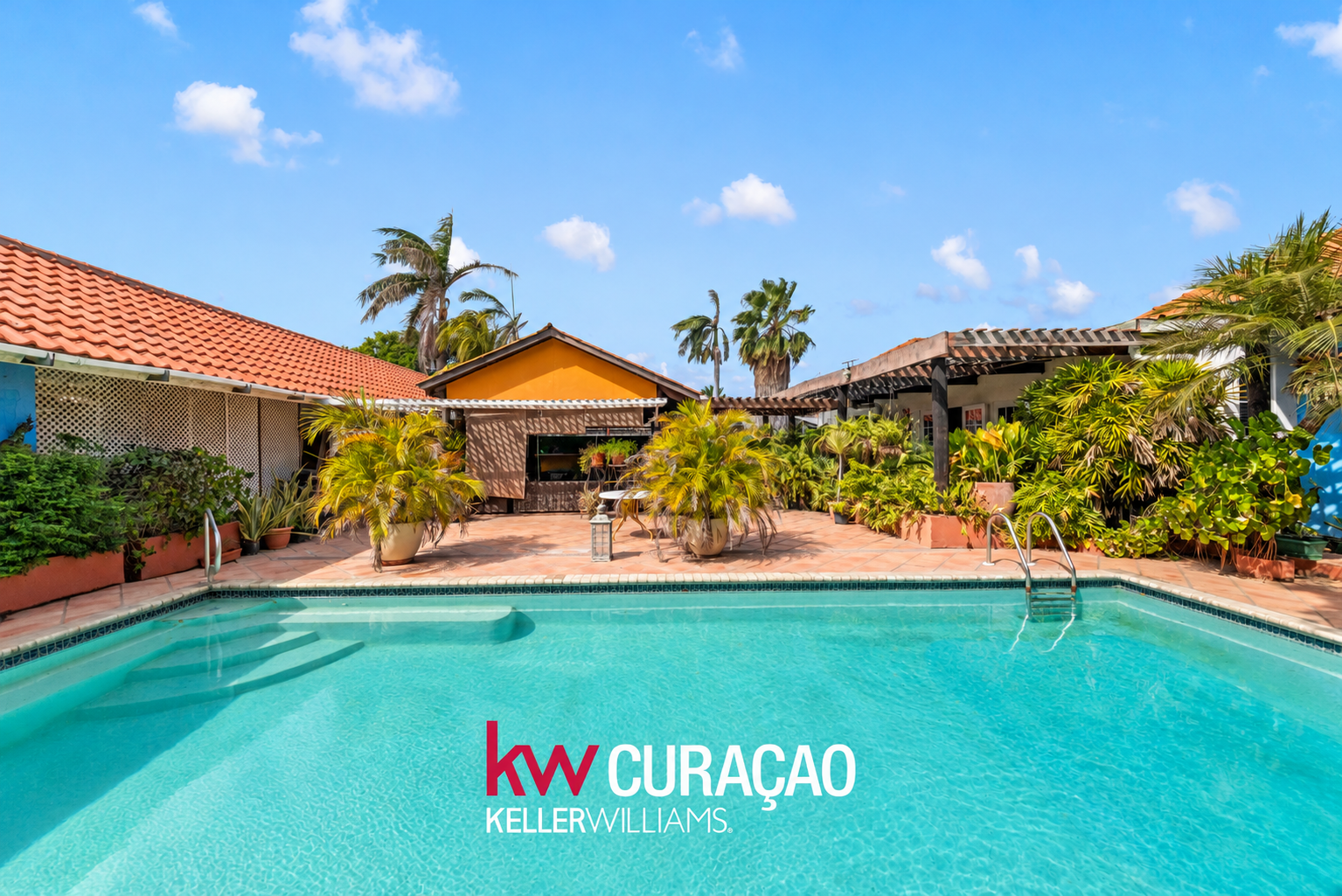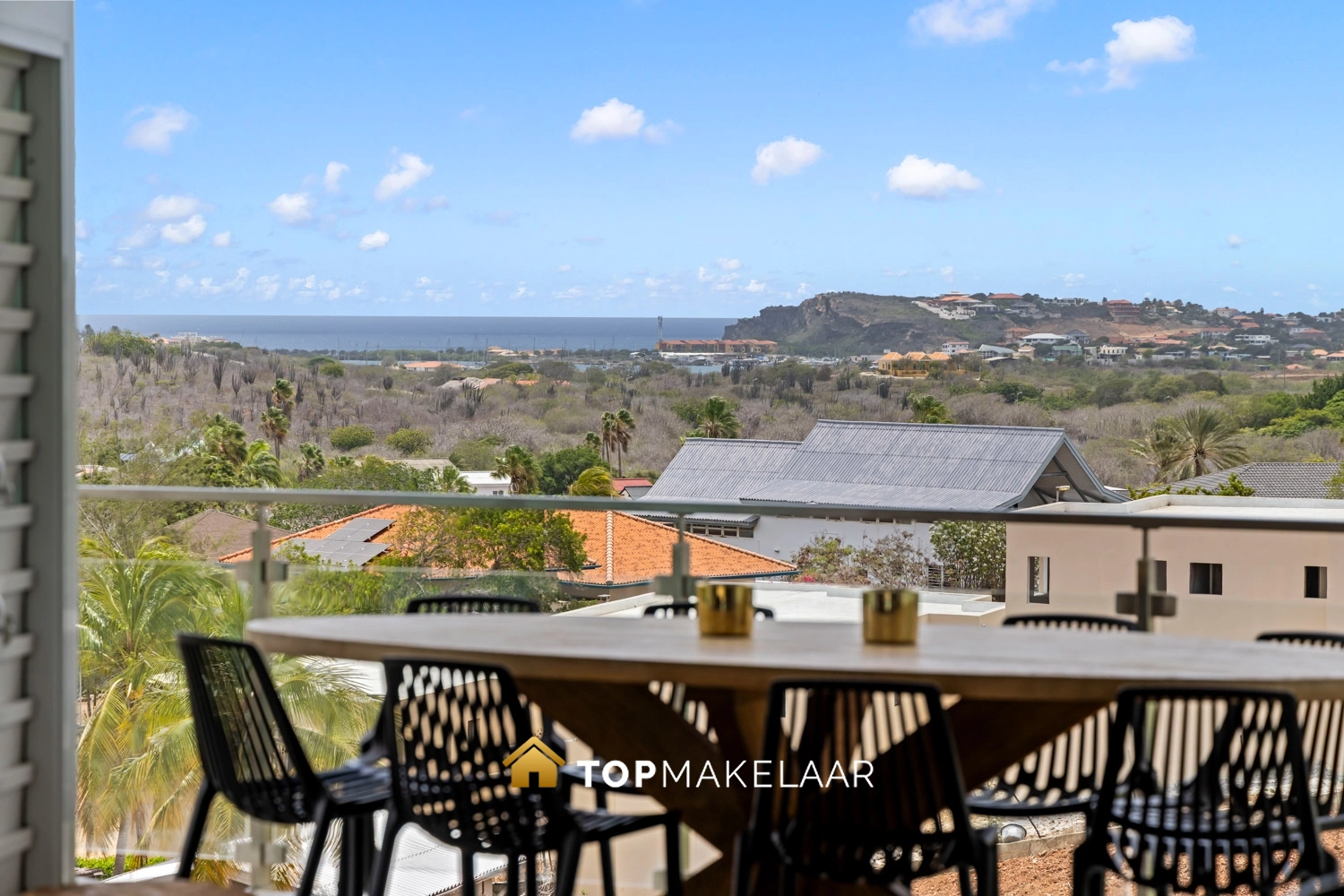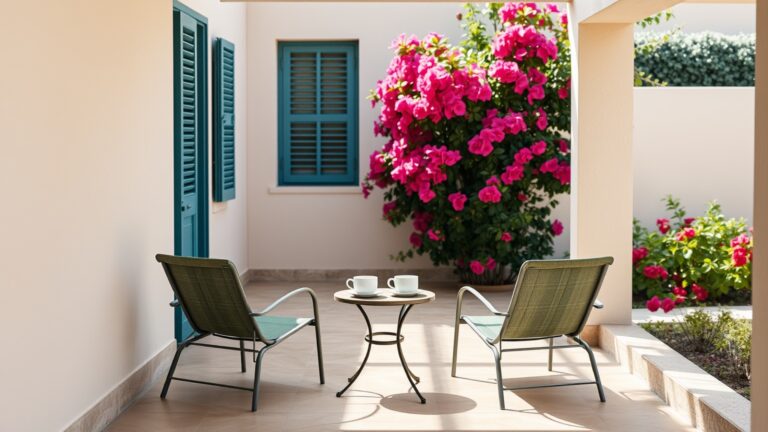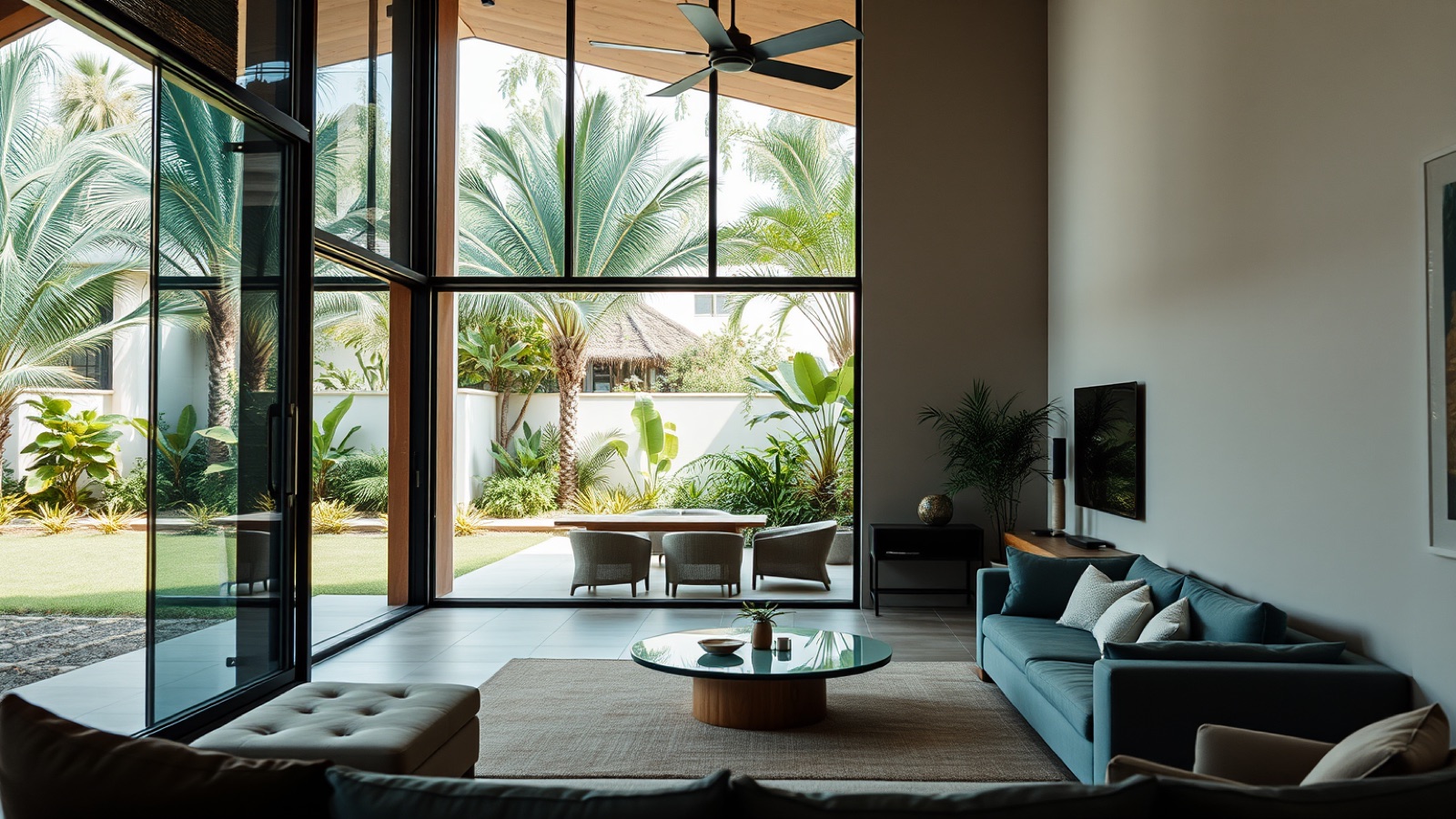
Choosing where to live in Curaçao is a key decision for expats, whether you are moving for work or retirement. This guide examines the different regions and neighbourhoods to help you identify the best places to live in Curaçao for expats based on current market data and location characteristics.
Curaçao property market overview
The real estate market in Curaçao offers a variety of options, including houses, villas, apartments, and plots of land. As of 8 October 2026, RealEstatesCuraçao listed 1,094 active properties: 787 for sale and 307 for rent.
Based on the 689 properties for sale with a published asking price as of 8 October 2026, the median asking price was US$695,000. Half of these asking prices lay between US$386,000 and US$1,115,000.
For those looking to rent, 240 listings had a published monthly rent as of 8 October 2026. The median monthly rent was US$1,860, and half of these rents lay between US$1,310 and US$2,700.
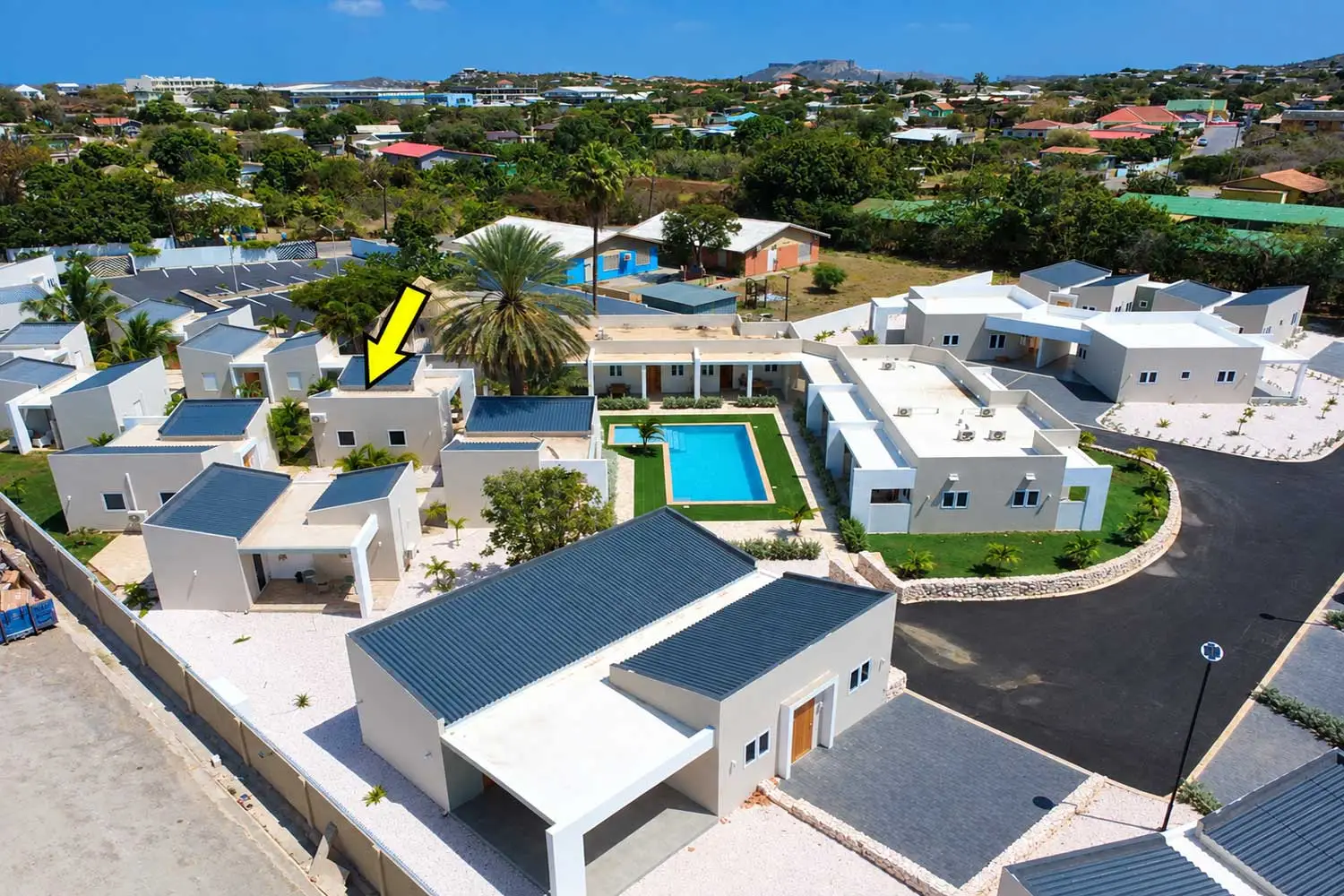


Regional price comparisons
Asking prices vary significantly across the different regions of the island. According to data from 8 October 2026, the regional medians for properties with published prices are as follows:
- Jan Thiel Region: US$893,000 (based on 183 prices)
- Blue Bay & Piscadera Region: US$780,000 (based on 111 prices)
- Banda Abou Region: US$695,000 (based on 110 prices)
- Willemstad Region: US$650,000 (based on 109 prices)
- Mambo Beach Region: US$620,000 (based on 44 prices)
- Hato Region: US$386,000 (based on 35 prices)
- Santa Rosa Region: US$356,000 (based on 64 prices)
Expats can explore these areas further through the all areas page or search for specific homes using the search and map tool.
Buying property as an expat
Foreigners can buy property in Curaçao. For a detailed explanation of the necessary steps, you can refer to our guide on buying property in Curaçao as a foreigner.
Taxes and closing costs
When purchasing a property, there are specific taxes and fees to consider. The transfer tax (overdrachtsbelasting) is 4% of the value of the property. This tax applies to deeds and judgments regarding the transfer of real estate and ships.
Owners are also subject to an annual property tax known as onroerendezaakbelasting (OZB). This tax replaced the previous land tax on 1 January 2014. The OZB is based on the value of the property in economic circulation, and a bracketed rate system is applied. A final OZB assessment must be paid within 2 months of the date of the notice.
For a full breakdown of other expenses, see our article on closing costs when buying property in Curaçao or the guide to property transfer tax in Curaçao.
Currency and payments
The official currency is the Caribbean guilder (XCG), which replaced the Netherlands Antillean guilder (ANG) on 31 March 2025. The Caribbean guilder is legally pegged to the U.S. dollar at a fixed exchange rate of US$1 = 1.79.




Professional assistance
The purchase process involves several legal and financial steps. Because laws regarding property transfer, tax assessments, and residence permits can be complex, you should consult the following professionals:
- Notaries: For the drafting and signing of transfer deeds.
- Tax advisers: To calculate specific OZB obligations or personal tax impacts.
- Lawyers: For legal advice on contracts and property rights.
- Government offices: For official permits or tax registration.
You can find licensed real estate professionals through the brokers listed on our portal.