Buying property on Curaçao as a non-resident: the steps

The order of the steps from first search to the notary deed, who is involved at each stage, and where non-residents most often lose time.

Editorial · written by RealEstatesCuraçao

House keys on a floor plan

Buying a home or a plot on Curaçao follows a clear sequence, and it works the same way whether you live on the island or abroad. This guide walks through the steps in order, so you know what comes next and who to ask at each stage. For the live numbers, see Homes for sale in Curaçao under US$500,000.

1. Decide what you are buying

Start with the type of property, because it shapes everything after it: the budget, the financing options and the paperwork. Think about how you will use it, and how much upkeep you are prepared to take on from a distance.

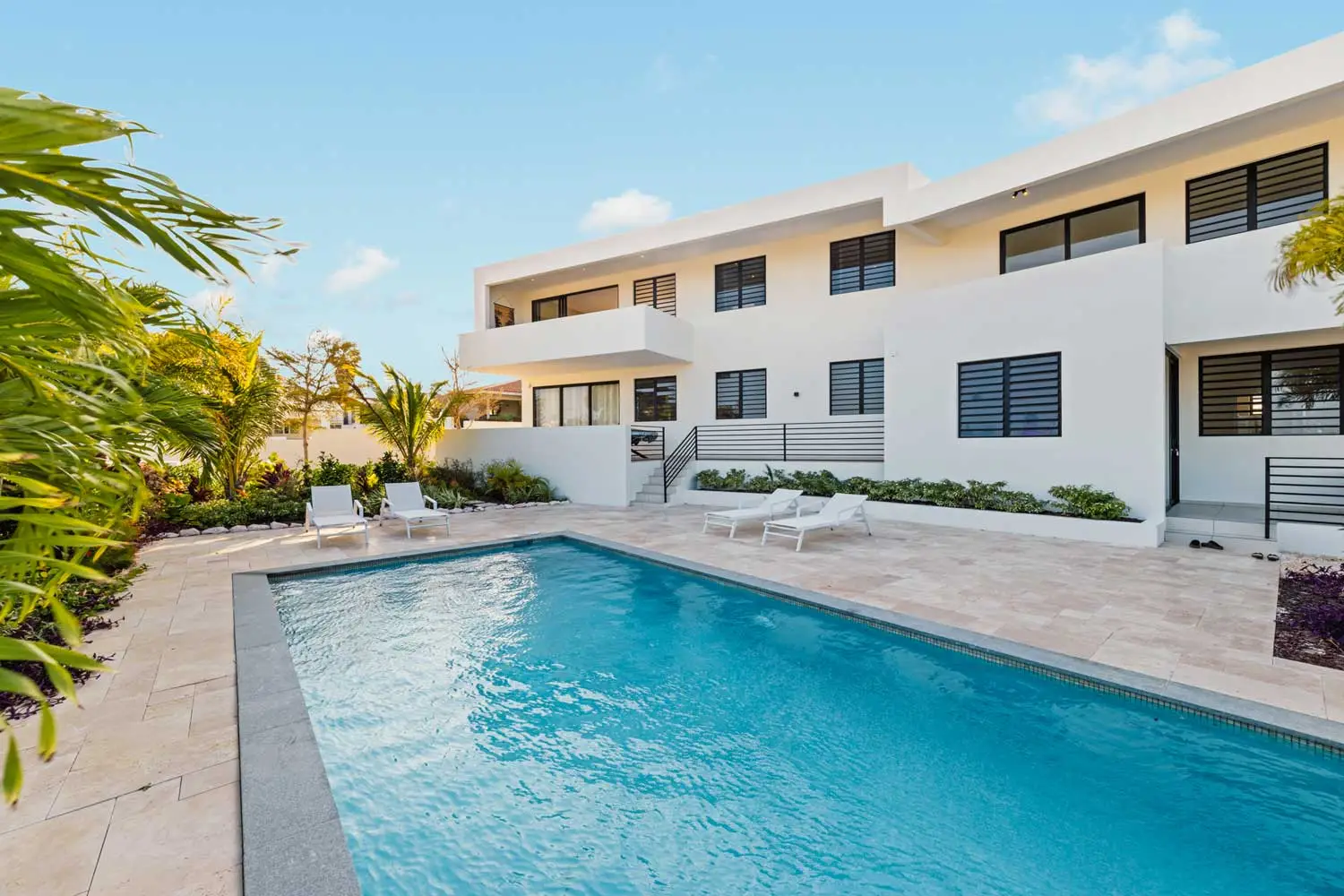
  • A house: land and building are usually transferred together.
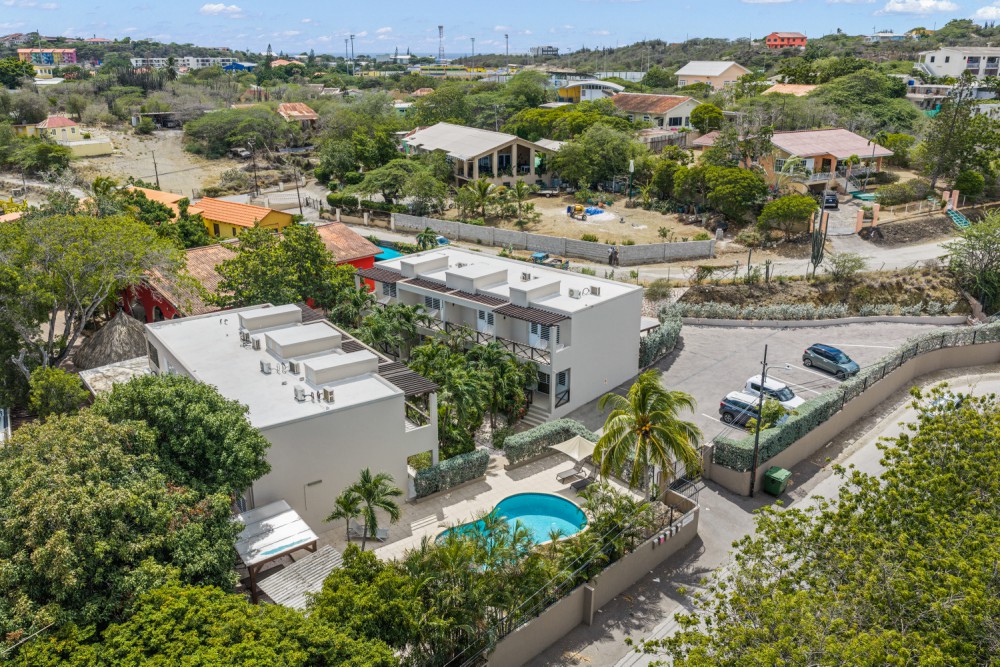
  • An apartment: look at the owners’ association and its running costs.
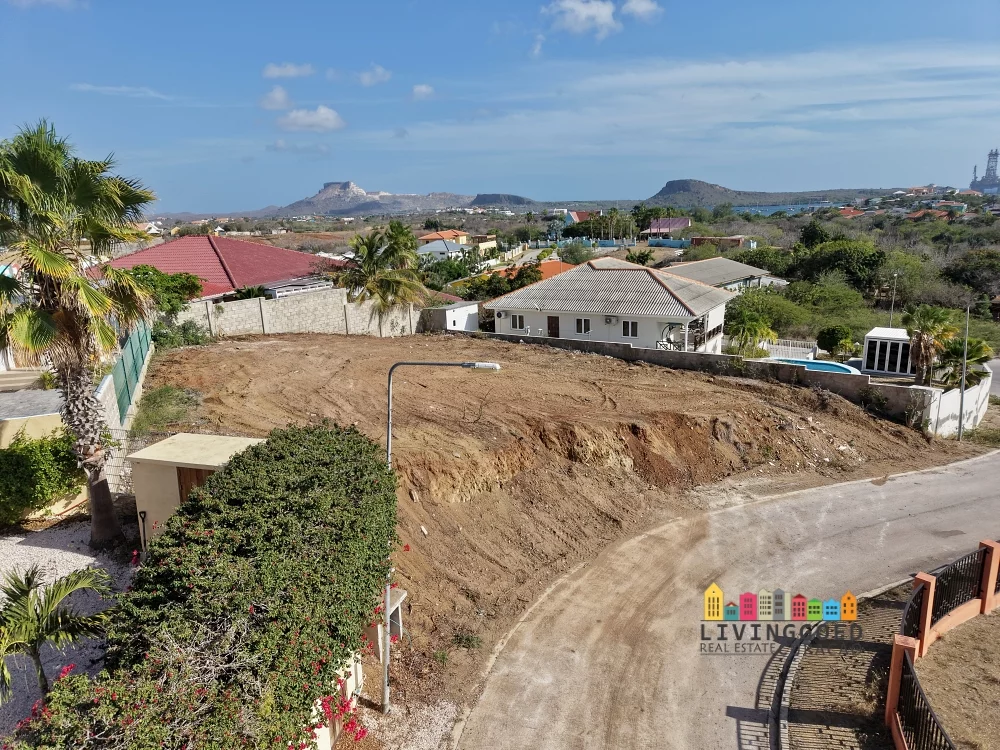
  • A plot: check the zoning, access and utilities before anything else. You can browse plots on the portal to see how they are offered.

2. Financing and budget

Work out your total budget before you view anything. Besides the purchase price, count the one-off costs of the transfer and the first year of ownership. Financing for non-residents can differ from financing for residents, so ask a lender early rather than late.

Get new homes for sale on Curaçao by email

Free. One email a week with the new homes that match.

Free · one email a week · unsubscribe with one click

Or get the Friday market update

  • Purchase price: shown in the currency the broker publishes it in.
  • Costs of the transfer: transfer tax (4% of the value), the notary’s fee and registration.
  • A reserve for repairs, furnishing and moving.

Search homes

Search homes on Curaçao

3. Making an offer and the preliminary agreement

Once you have found a property, your broker or adviser helps you make an offer. If the seller accepts, the terms are written down in a preliminary agreement, usually with a deposit paid into a notary account.

Read the conditions carefully, in particular any clauses for financing and for inspection. These protect you if something turns out differently from what the listing suggested.

Always open the broker’s original listing before you decide. It is the source for the price, the area and the conditions of the offering.

4. The notary and the transfer

The transfer of ownership is completed at a civil-law notary, who prepares the deed and registers it. The notary checks the ownership and any registered encumbrances, collects the money due and arranges the registration.

  • Both parties sign the deed, in person or through a proxy.
  • The balance of the price and the costs are paid before or at signing.
  • The notary registers the deed in the public registers.

Homes by budget

Homes for sale on Curaçao by budget

Asking prices in US$, exactly as each broker publishes them. Choose a budget to see the newest homes in that range.

Budget (asking price)

5. Taxes and recurring costs

Costs come in two kinds: the one-off costs at transfer and the costs that return every year. Rates can change, so confirm them with the notary before you commit.

  • Transfer tax: 4% of the purchase price or of the value in the register, whichever is higher, paid at the transfer.
  • Notary and registration: there is no fixed legal tariff, so ask the notary for a quote.
  • Annual property tax (onroerendezaakbelasting): see our guide to property tax in Curaçao.
  • Insurance, utilities and, for apartments, the owners’ association.

6. After the keys

Once the deed is registered, arrange the practical matters: utilities in your name, insurance, and someone to look after the property if you are away. Many owners use a property manager, or rent the home out when they are not using it.

Keep a copy of all documents, including the deed and the preliminary agreement, in a place you can reach from abroad.

Frequently asked questions

How do I buy a house in Curaçao?

Buying follows a clear sequence: decide what you are buying, work out your financing and budget, make an offer with the terms written down in a preliminary agreement, complete the transfer at a civil-law notary, pay the taxes and costs of the transfer, and once the deed is registered arrange the practical matters such as utilities and insurance.

Can you buy a house in Curaçao if you live abroad?

Yes. Buying a home or a plot on Curaçao follows the same sequence whether you live on the island or abroad. Financing for non-residents can differ from financing for residents, so ask a lender early. Both parties sign the deed in person or through a proxy, and you should keep copies of all documents in a place you can reach from abroad.

What taxes and fees come with buying a house in Curaçao?

At the transfer you pay transfer tax of 4% of the purchase price or of the value in the register, whichever is higher. There is no fixed legal tariff for the notary and registration, so ask the notary for a quote. Costs that return every year include the annual property tax (onroerendezaakbelasting), insurance, utilities and, for apartments, the owners’ association.

How are the title and ownership of a property verified in Curaçao?

The civil-law notary who completes the transfer checks the ownership and any registered encumbrances, prepares the deed, collects the money due and registers the deed in the public registers. Before you decide, always open the broker’s original listing: it is the source for the price, the area and the conditions of the offering.

What pitfalls should I avoid when buying a house in Curaçao?

Work out your total budget before you view anything, including the one-off costs of the transfer and a reserve for repairs, furnishing and moving. Read the conditions of the preliminary agreement carefully, in particular any clauses for financing and for inspection. For a plot, check the zoning, access and utilities first, and confirm rates with the notary, because they can change.

Disclaimer. This guide is general information, not legal or financial advice. Verify current rules with a notary or adviser.

Picture of RealEstatesCuraçao
RealEstatesCuraçao
Newsletter

New listings and blog posts, once a week

One short email: the newest homes added to the portal and the latest guides from the blog.
No spam. Unsubscribe any time. Privacy policy

Search alerts

Get new listings by e-mail

Every morning we check every broker in Curaçao. Get an e-mail when a home matching this search is listed or drops in price. Free: one search, a weekly e-mail.

Every morning we check every broker in Curaçao. Save a search once and get an e-mail when a matching home is listed or drops in price. Free: one search, a weekly e-mail.

Search alert quick sign-up (exit pop-up)

One e-mail to start, then only matches. Unsubscribe any time. Privacy