 Under offerVideo
US$ 757,013For sale
Coral Estate Luxury Resort Villa 3
3 bedrooms3 bathrooms
- Private pool
- Air conditioning
- Furnished
Coral Estate Sales

 Video
US$ 700,938For sale
Coral Estate Luxury Resort Villa 6
3 bedrooms3 bathrooms
- Private pool
- Sea view
- Air conditioning
- Gated community
Coral Estate Sales
 Under offerVideo
US$ 840,004For sale
Villa 1043
4 bedrooms2.5 bathrooms600 m² plot
- Private pool
- Sea view
- Air conditioning
- Furnished
Coral Estate Sales
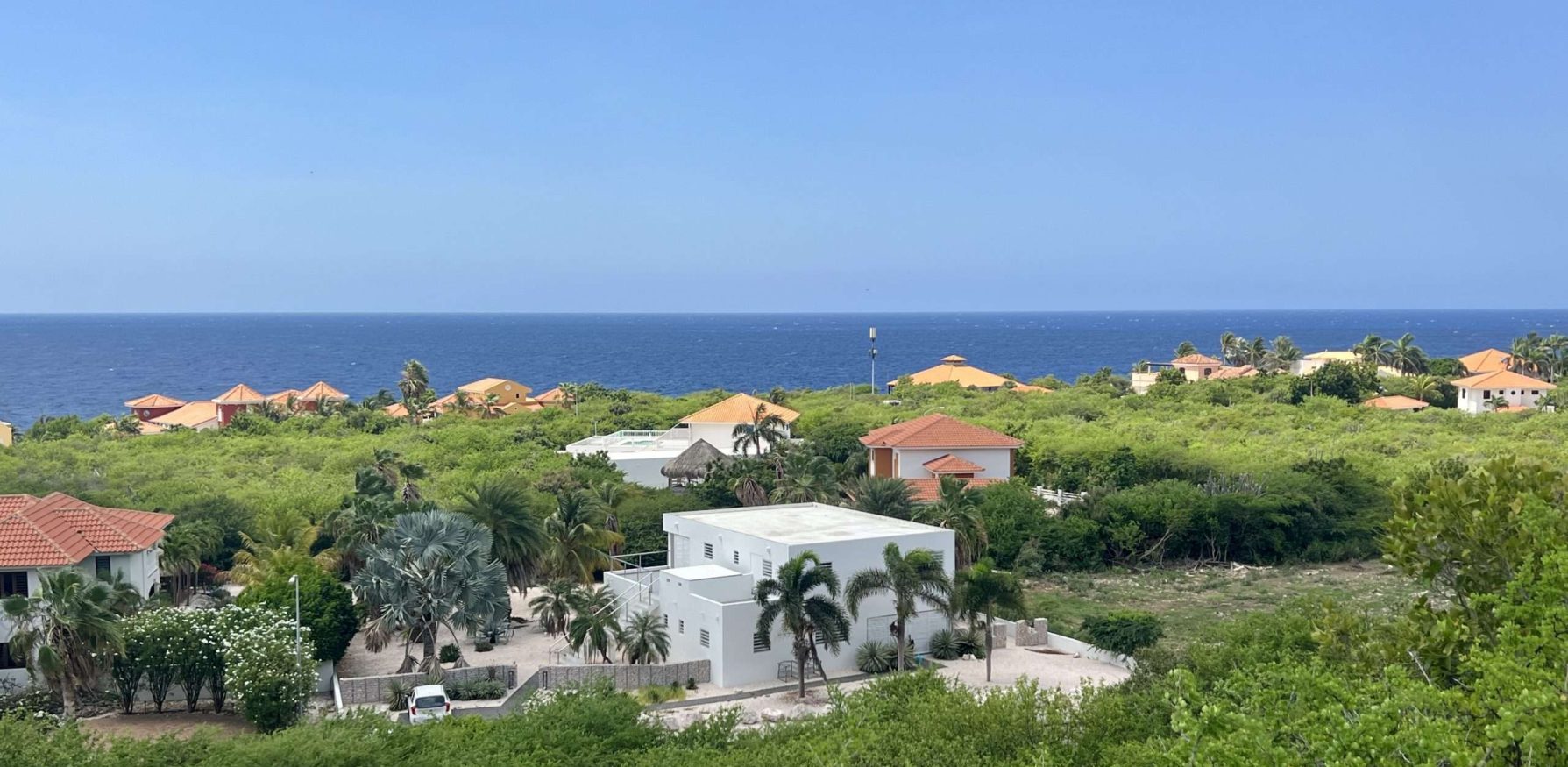
US$ 995,000For sale
Villa 44
4 bedrooms3 bathrooms1,125 m² plot
- Private pool
- Sea view
- Air conditioning
- Furnished
- Gated community
Coral Estate Sales
 Video
US$ 981,313For sale
Villa 47
4 bedrooms3.5 bathrooms1,250 m² plot
- Private pool
- Sea view
- Air conditioning
- Garage
- Carport
Coral Estate Sales
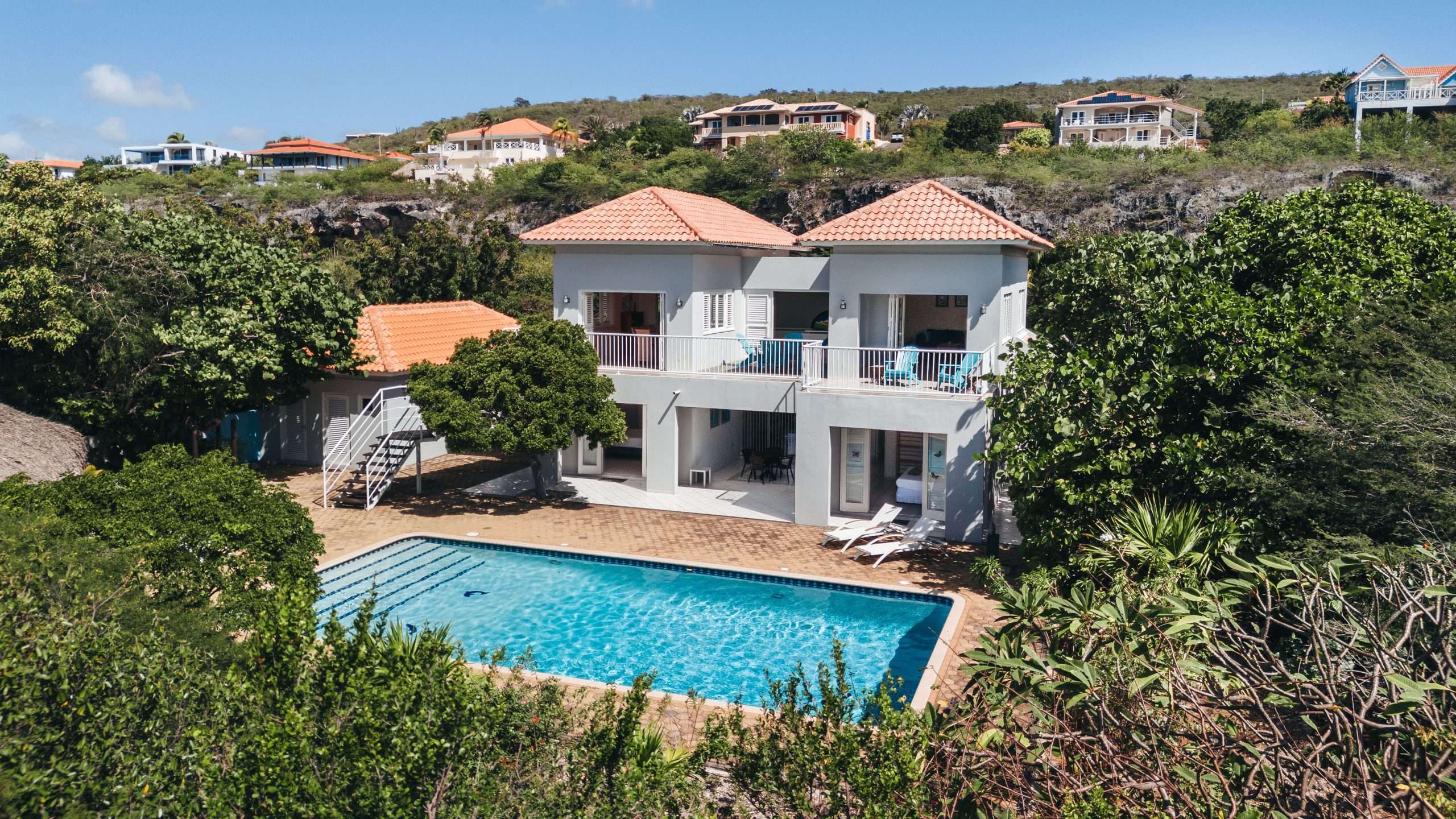 Under offerVideo
US$ 981,313For sale
Villa 40
3 bedrooms2 bathrooms975 m² plot
- Private pool
- Garage
Coral Estate Sales
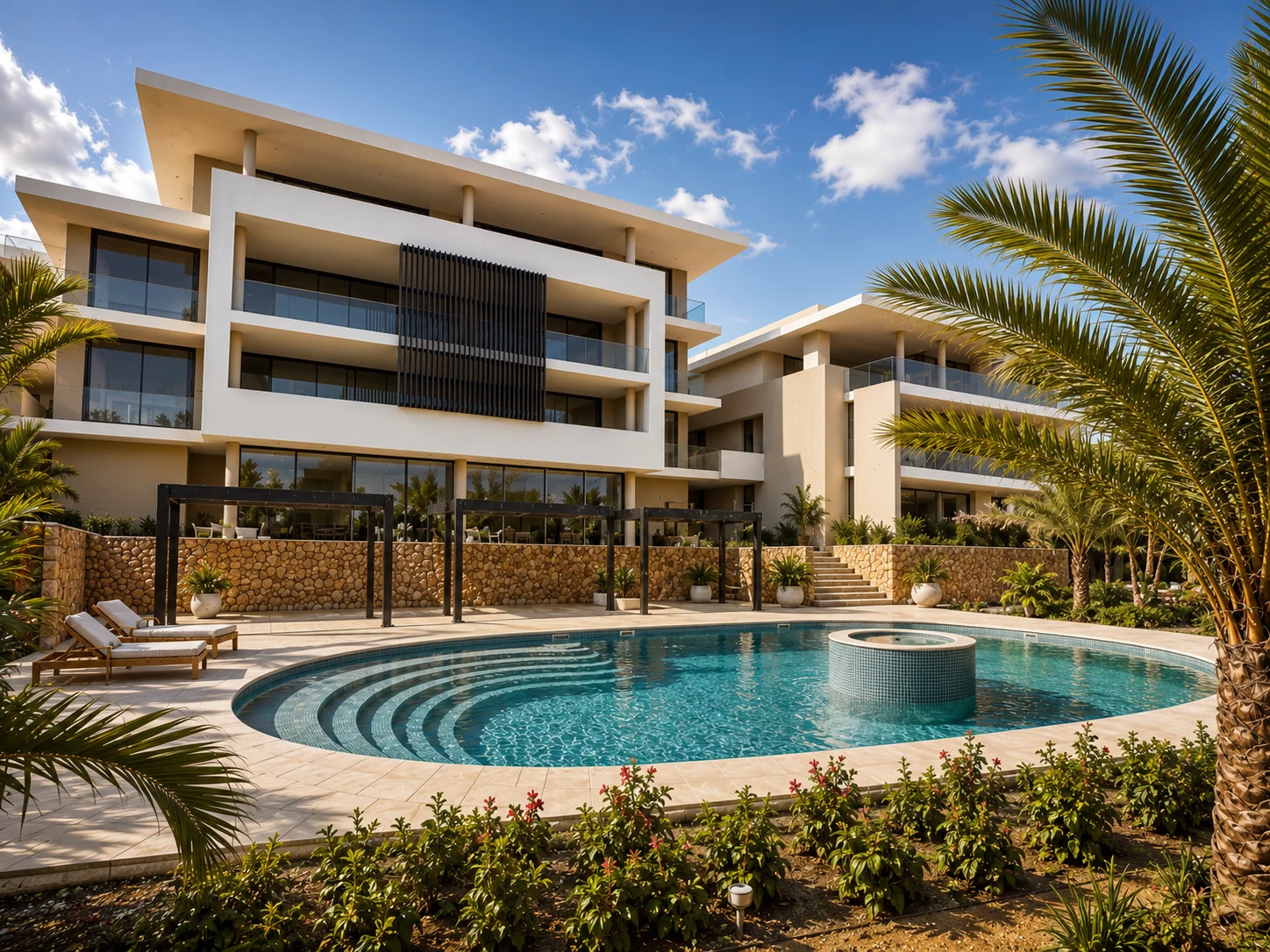
US$ 719,000For sale
Aria Residence
2 bathrooms
- Shared pool
- Air conditioning
- Carport
Burbach Roycroft

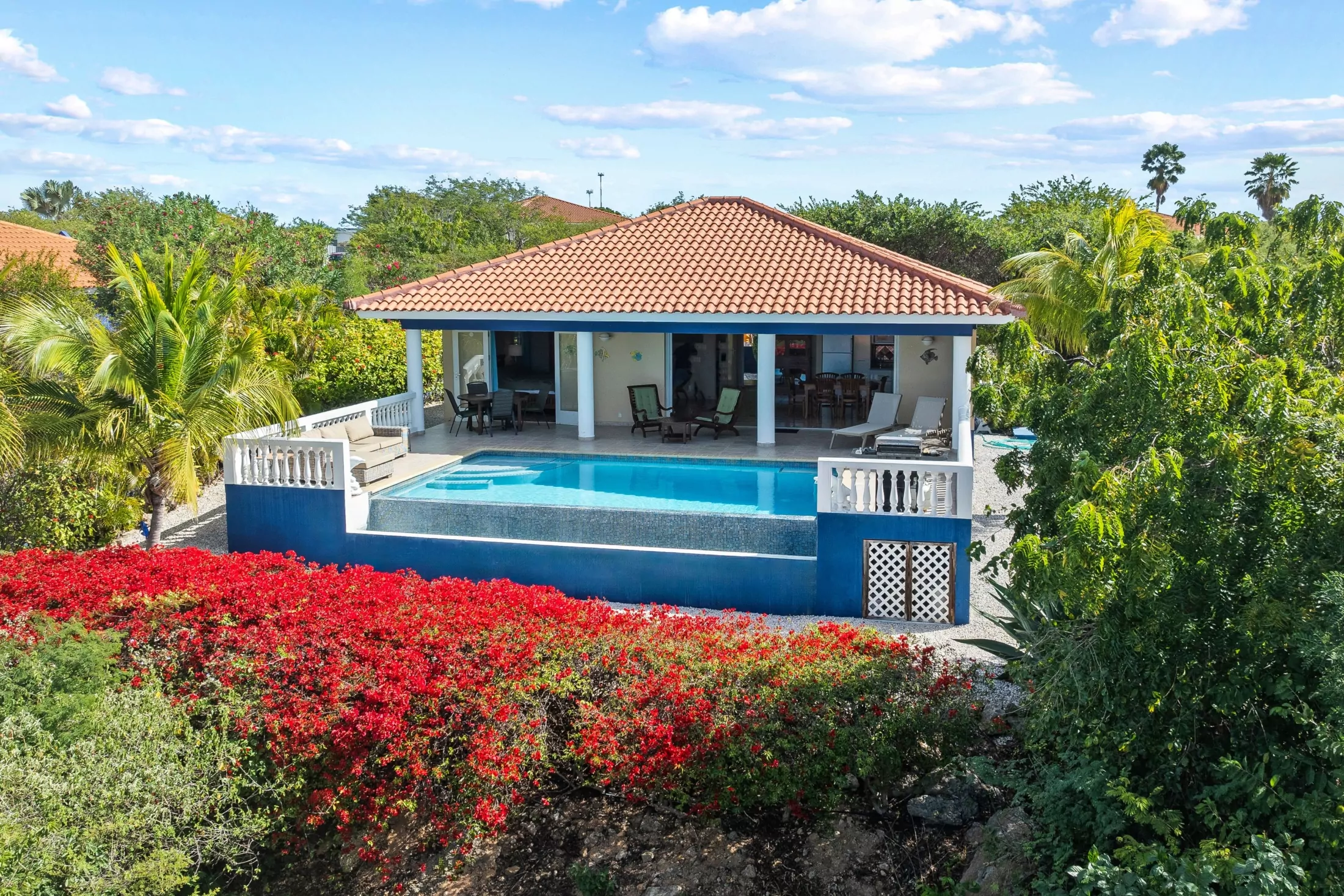 Video
US$ 841,125For sale
Secluded luxury at Coral Estate
2 bedrooms2.5 bathrooms690 m² plot
- Private pool
- Sea view
- Gated community
Burbach Roycroft
 Video
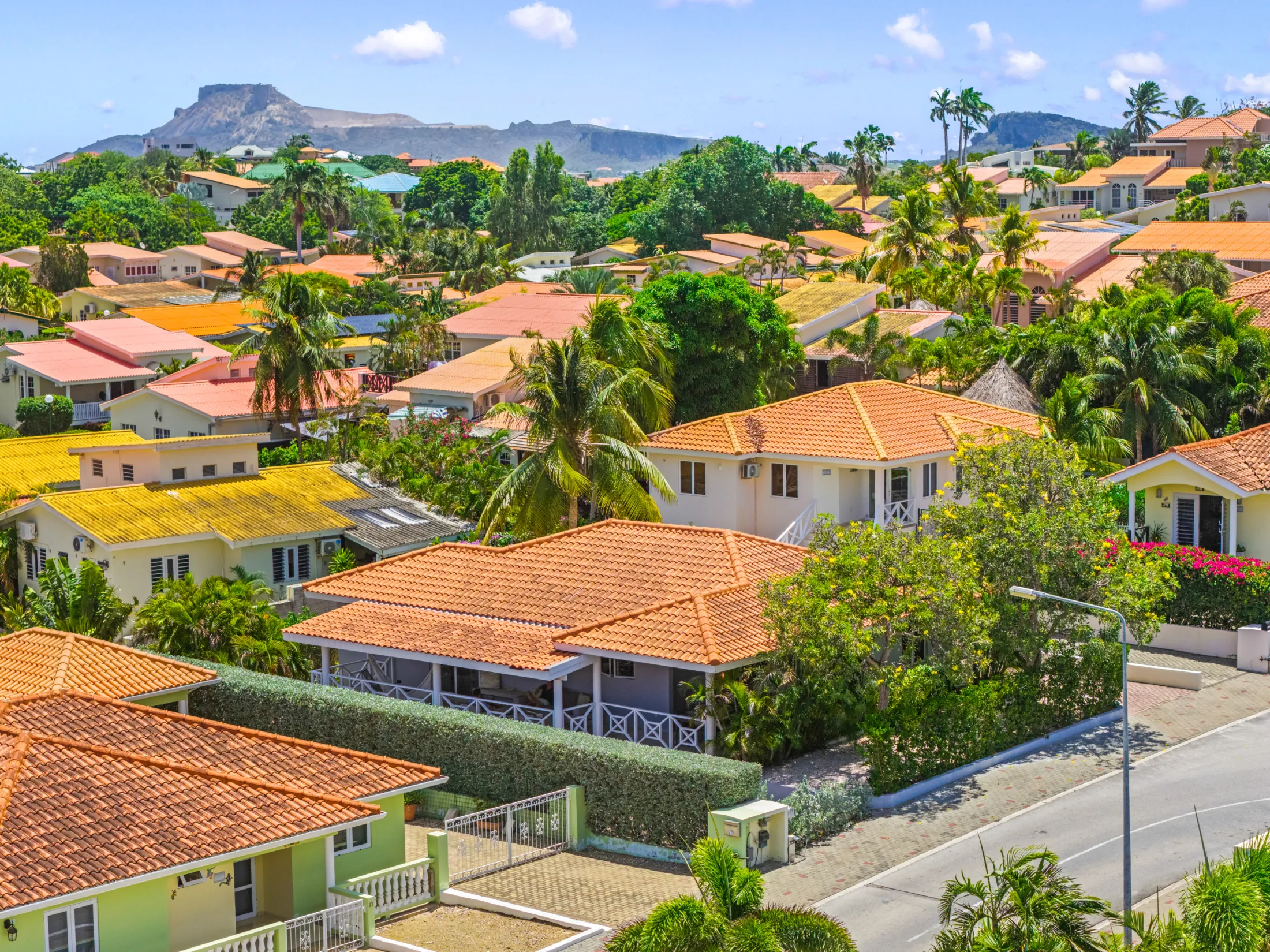
US$ 728,975For sale
Stylish villa living at Marbella Estate, close to Jan Thiel
3 bedrooms2 bathrooms465 m² plot
- Shared pool
- Furnished
- Gated community
Burbach Roycroft
 Video
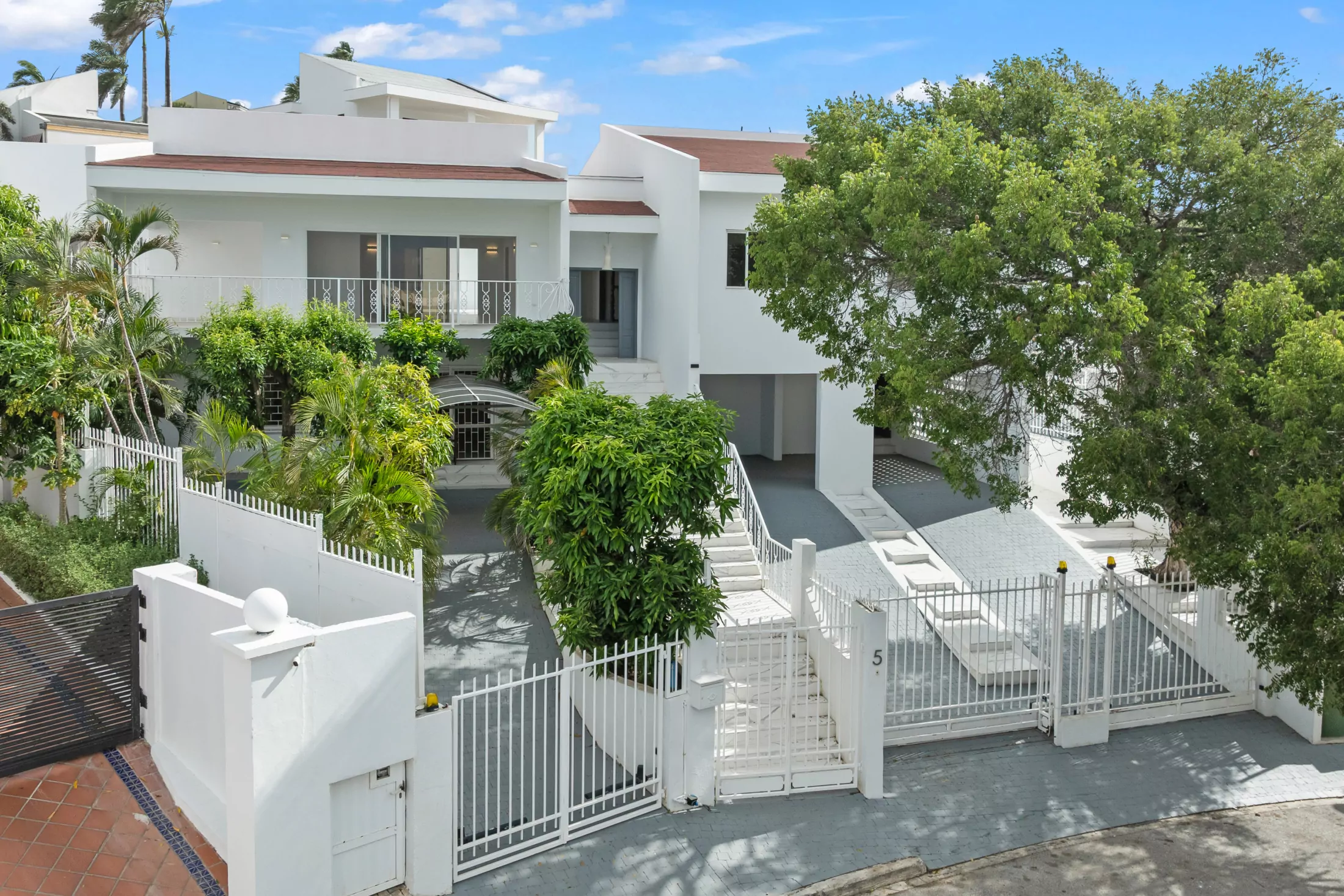
US$ 726,257For sale
Charm and potential in Rooi Catootje
5 bedrooms4 bathrooms825 m² plot
- Swimming pool
- Garage
- Carport
Burbach Roycroft
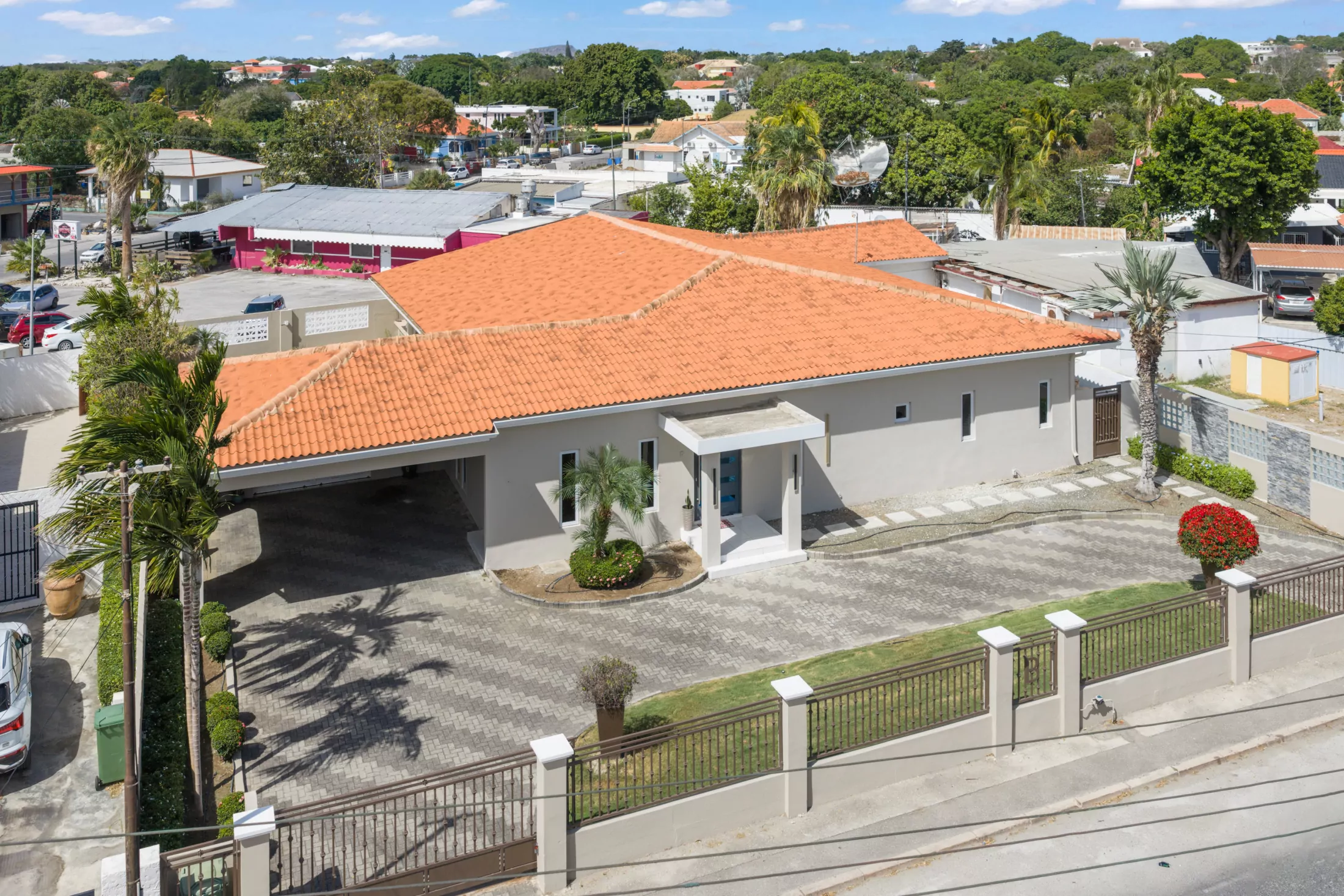
US$ 893,855For sale
Central Living in Curaçao: stylish family residence with endless possibilities
4 bedrooms4 bathrooms1,188 m² plot
- Air conditioning
- Carport
Burbach Roycroft
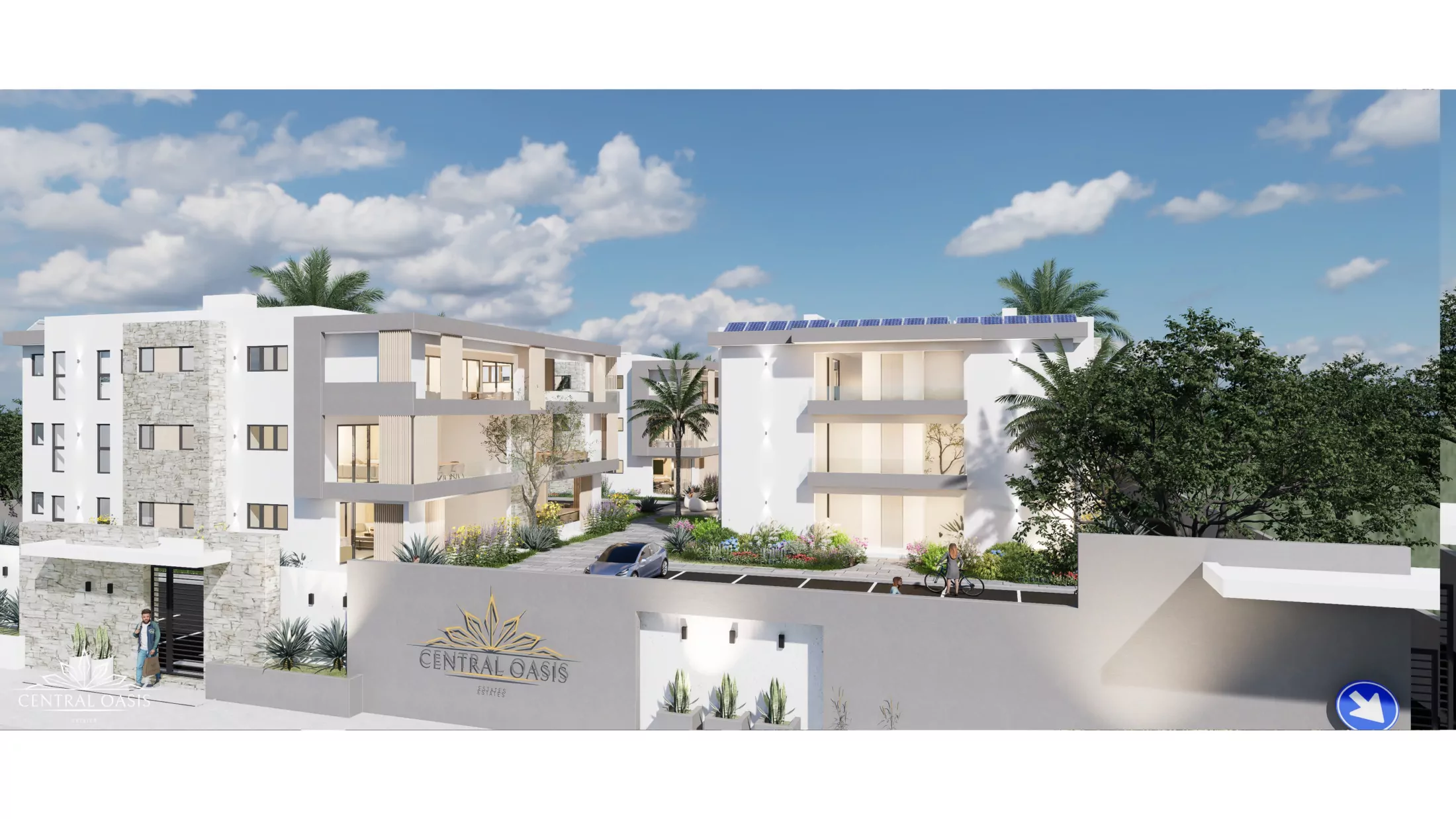
US$ 488,827For sale
Elegant Living at Central Oasis
2 bedrooms2 bathrooms
- Shared pool
- Air conditioning
Burbach Roycroft