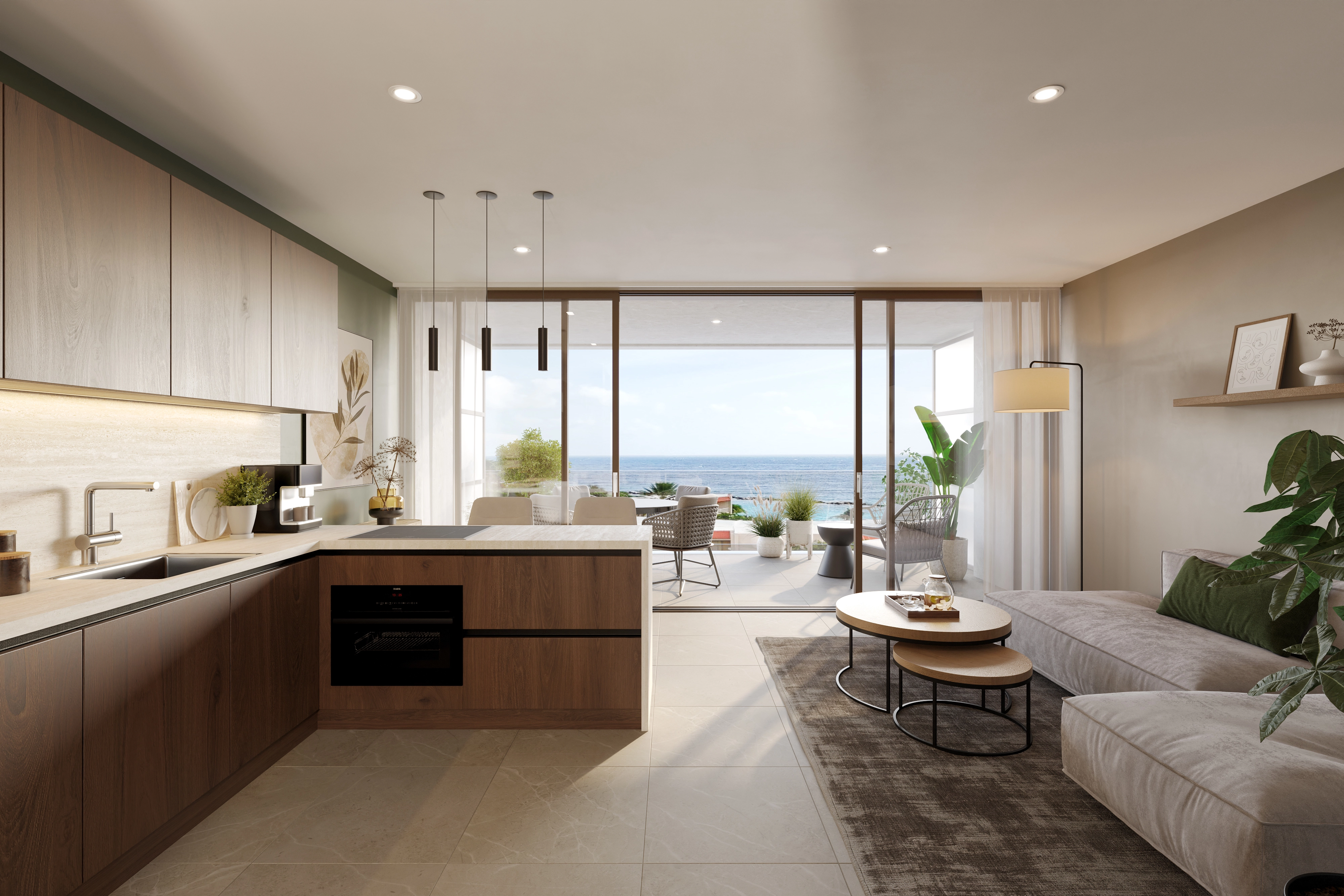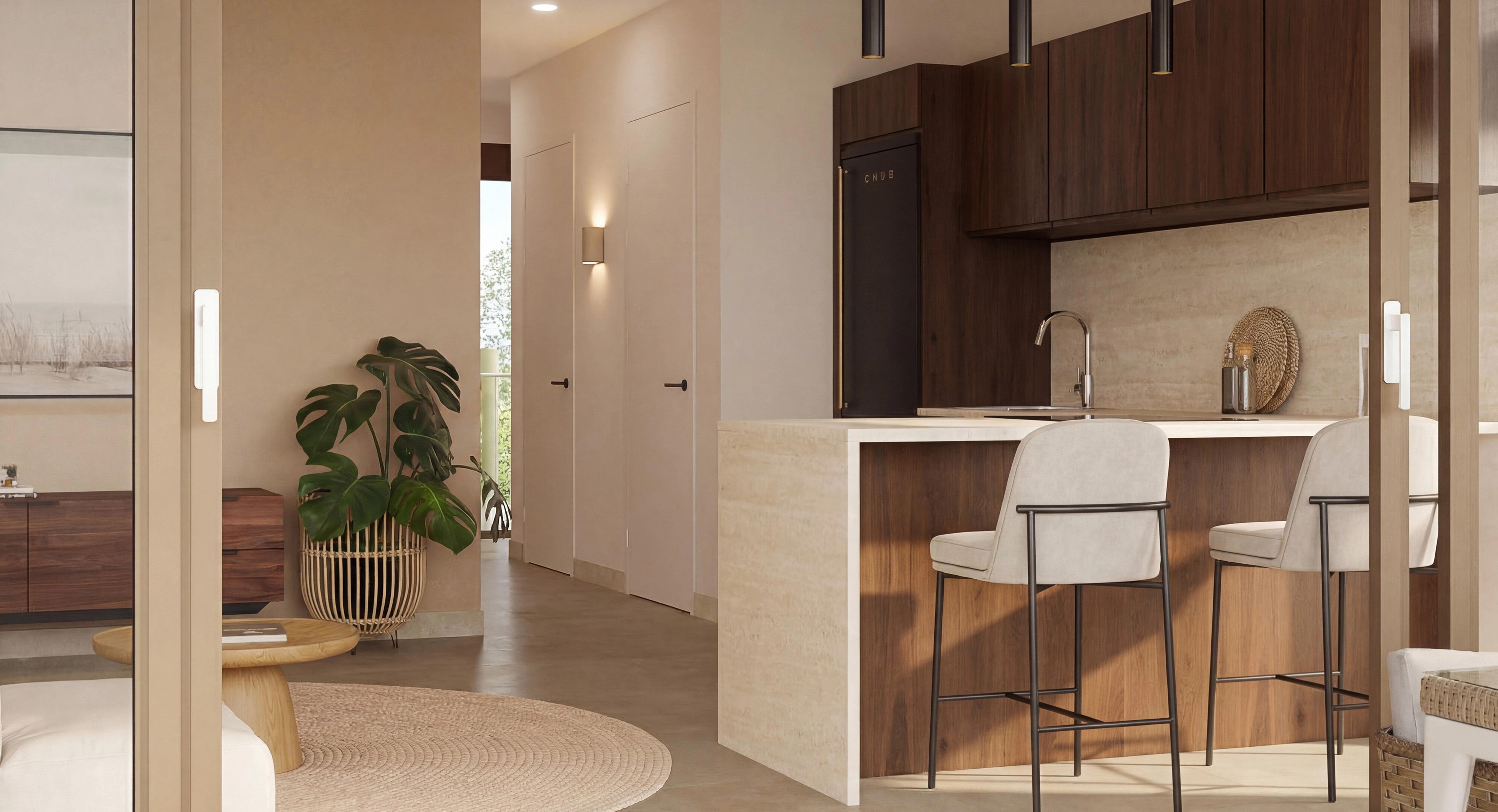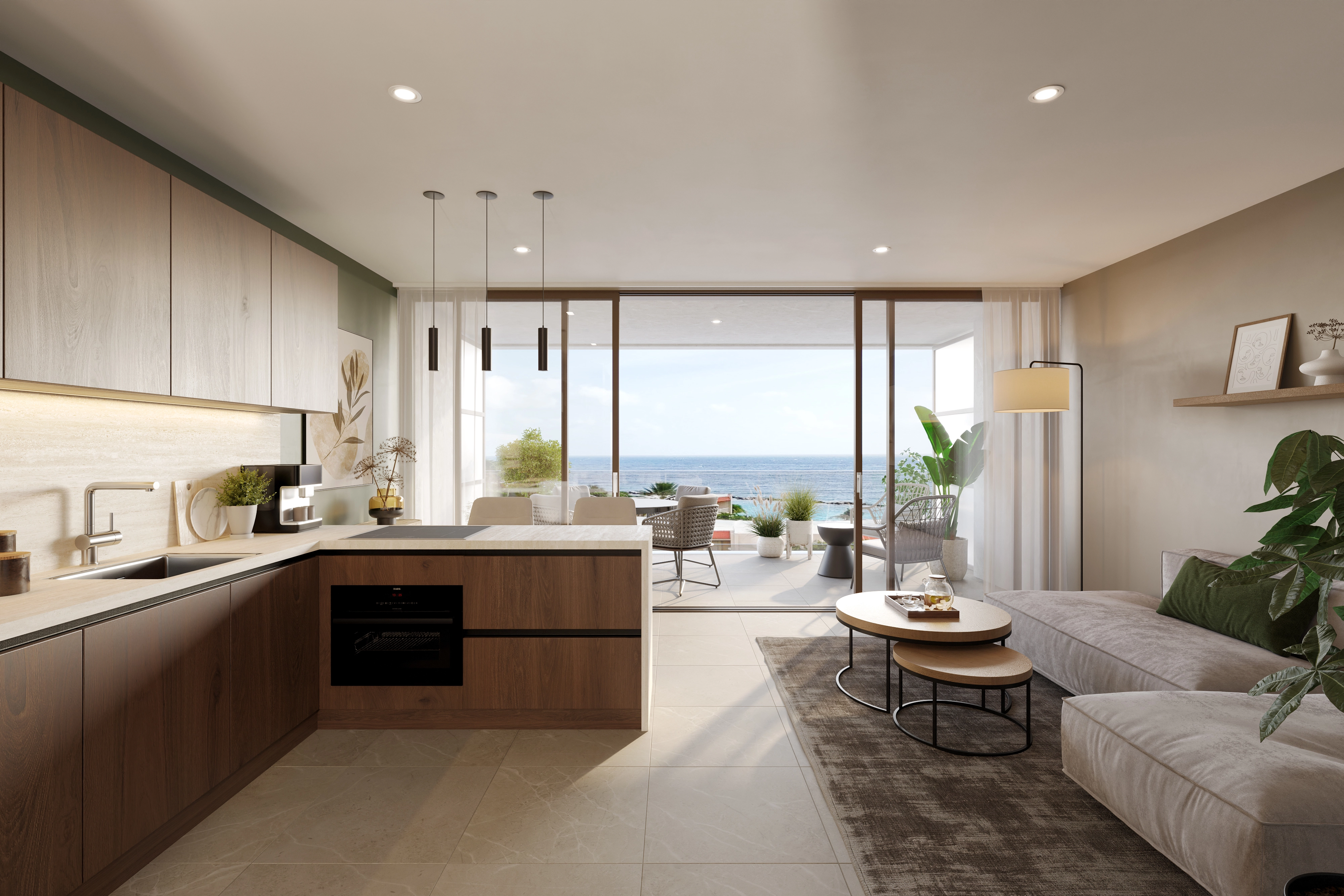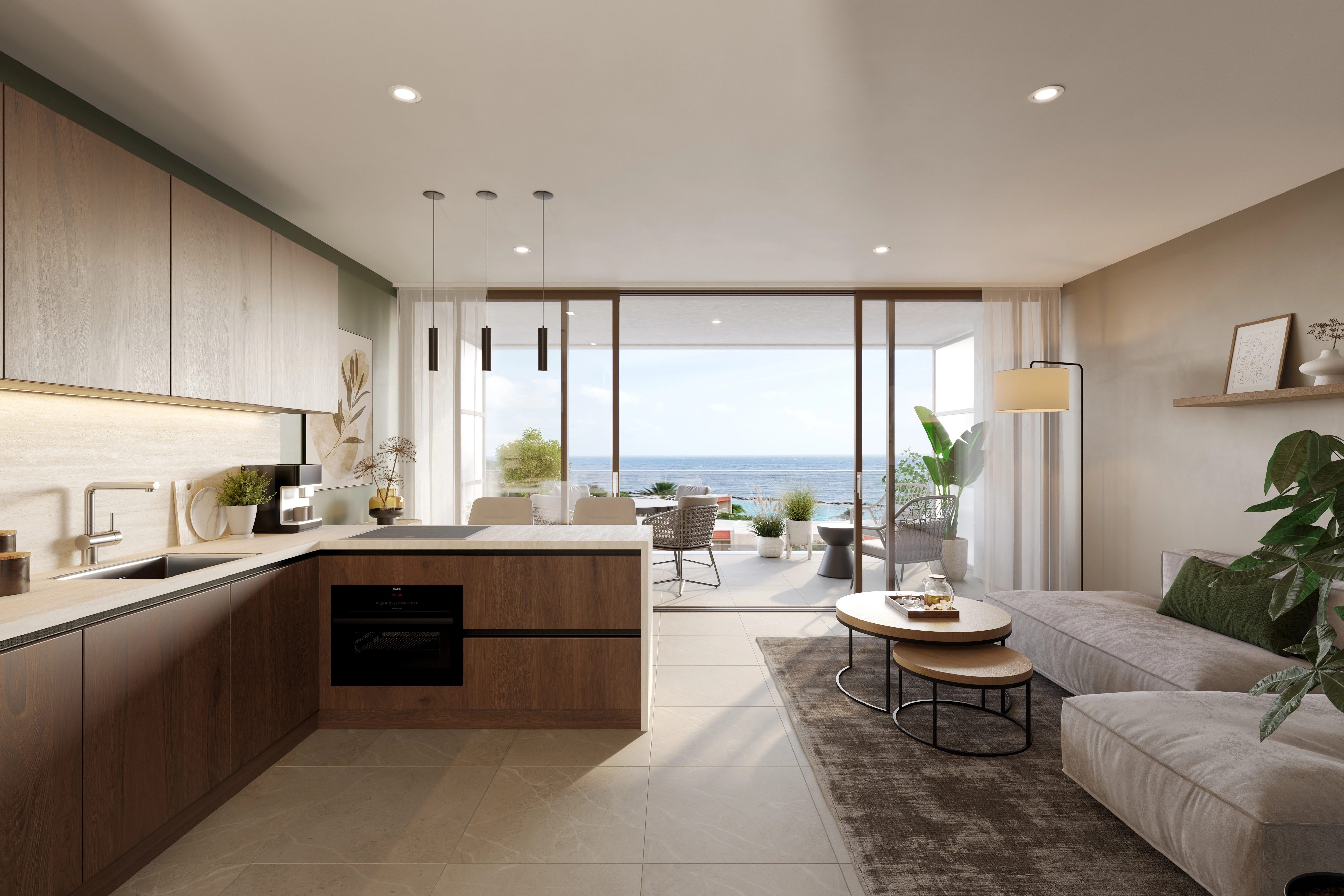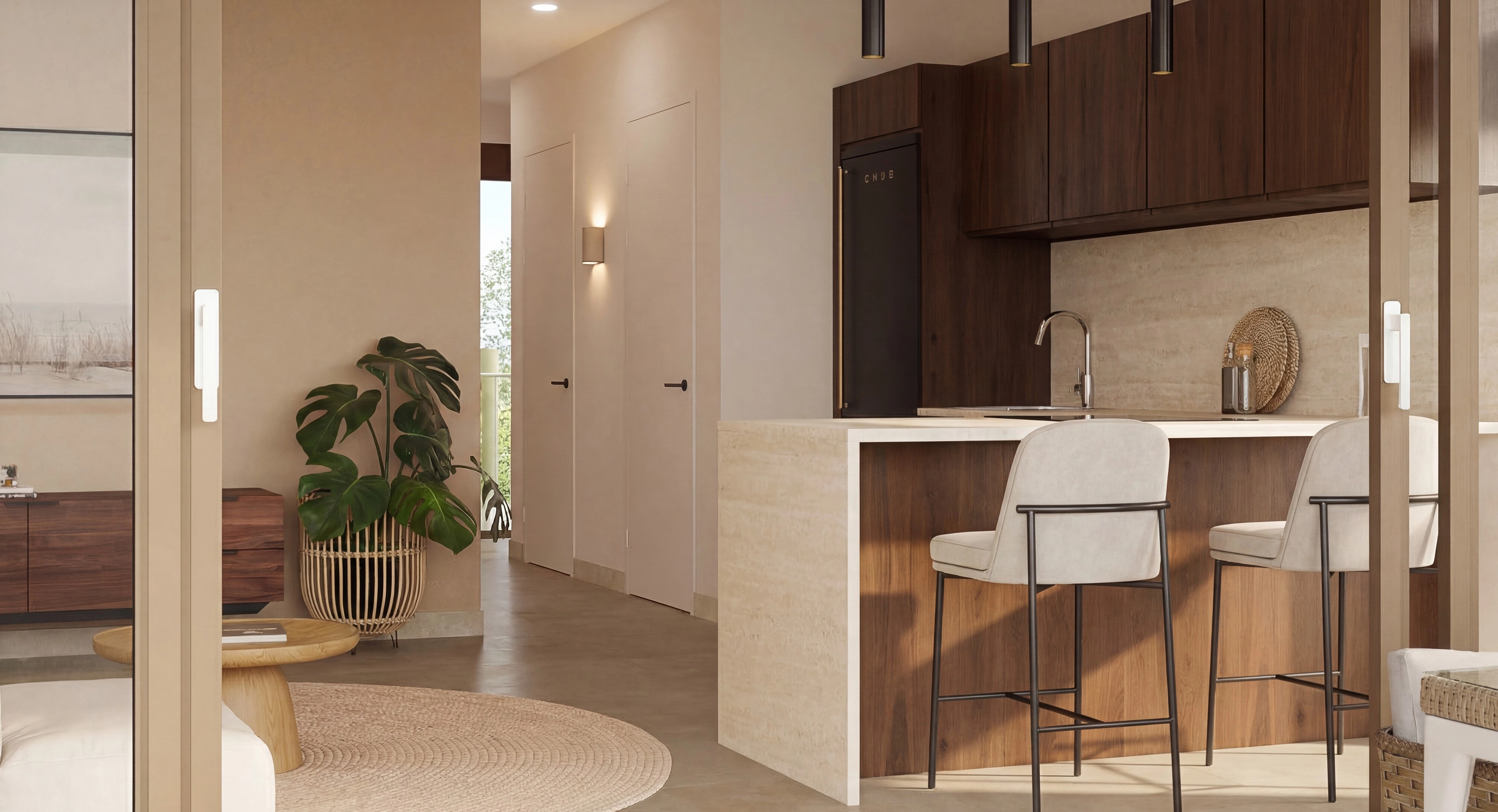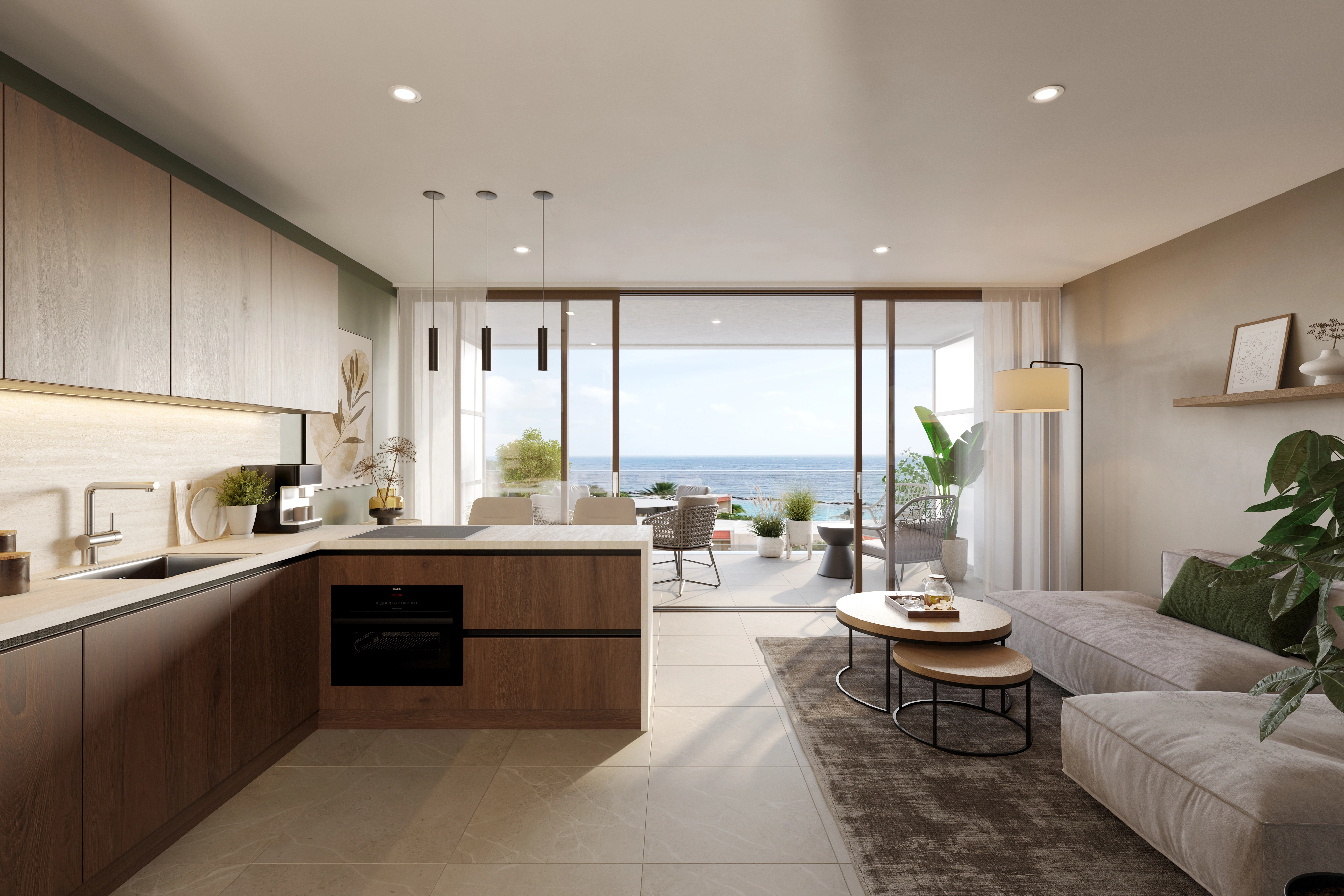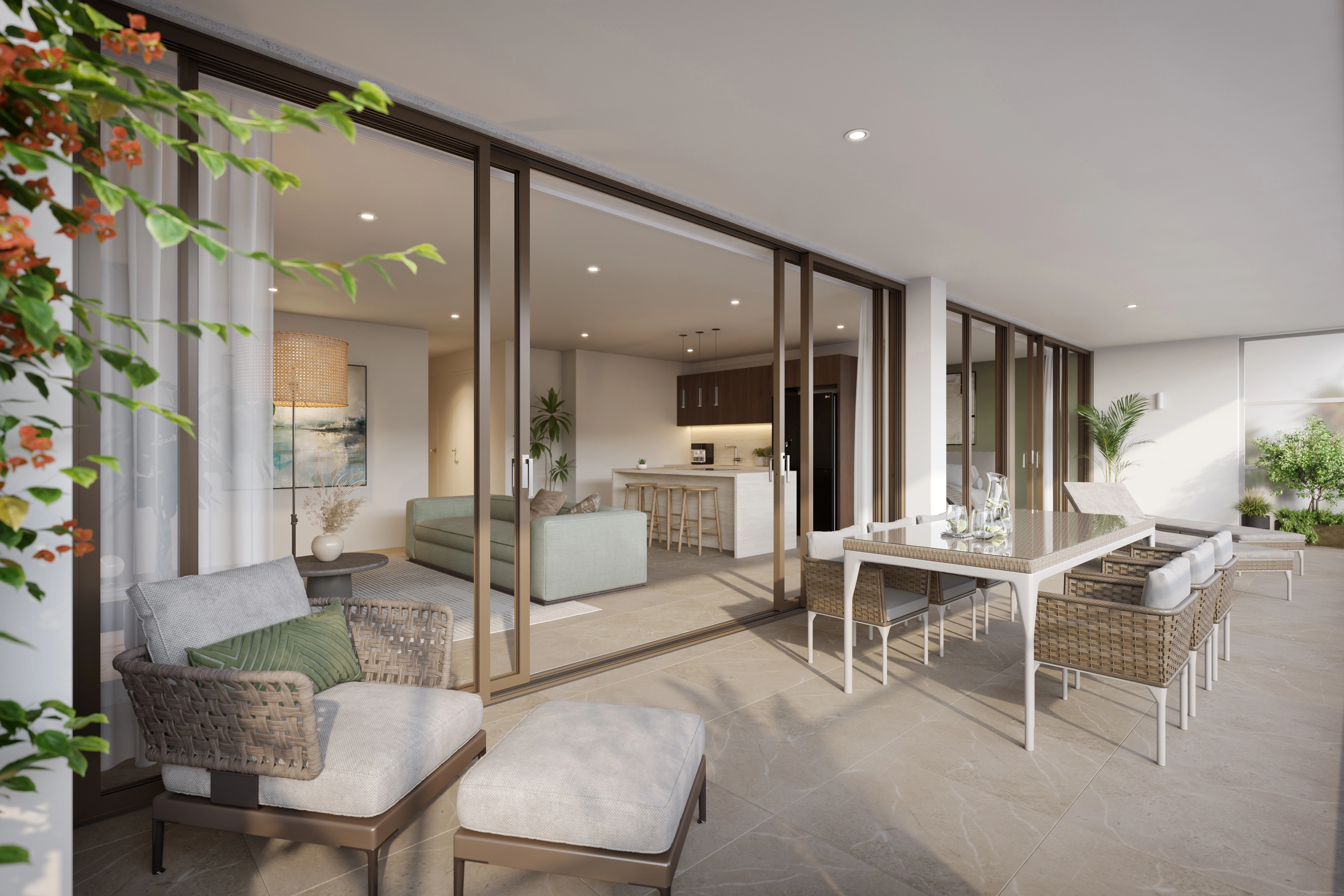
Houses for sale in Curaçao are listed here by the brokers who offer them: 955 homes for sale right now, from apartments and villas to plots of land, across the island. Filter by area, such as Jan Thiel, Blue Bay or Grote Berg, by property type, price and bedrooms, or by swimming pool, sea view and garage. Each price is shown exactly as the broker publishes it, with the date we last checked it. Open a home for its facts and map position, then follow the link to the broker’s own listing to arrange a viewing or make an offer. If you want to buy a house in Curaçao, our guide for non-residents explains the steps.
The median asking price of the homes for sale with a published price is US$ 649,000 (as of 22 October 2026): half ask less, half ask more. These are asking prices as brokers publish them, not sale prices, and homes without a published price are left out. Asking prices differ by region; our regions guide compares them.
On this page: 955 homes for sale from the brokers and developers on the portal. New homes and price changes are picked up every night. Filter by area, property type, price, bedrooms or features, or use the map. Each home names the broker that offers it and links straight to the original listing on the broker’s website.
Yes. Foreigners can buy property in Curaçao, and the steps are the same whether you live on the island or abroad. Financing for non-residents can differ from financing for residents, so speak to a lender early. At the transfer both parties sign the deed, in person or through a proxy. Our guide for non-residents walks through each step.
Decide on the type of property and a total budget that includes the one-off costs of the transfer. Once you find a home, your broker or adviser helps you make an offer. If the seller accepts, the terms go into a preliminary agreement, usually with a deposit paid into a notary account. The notary then executes the deed of transfer and registers it; read what the notary does.
Financing is typically handled by local commercial banks, though some buyers use international lenders or private financing. Terms for non-residents differ from those for residents and are not standardised, so ask the banks directly about rates and loan-to-value. A bank usually requires a formal valuation of the property, and the loan agreement is signed through a notary.
The buyer pays a one-off transfer tax (overdrachtsbelasting): 4% of the purchase price or of the value in the register, whichever is higher, plus the notary fees. There is no verified official tariff for notary or broker fees, so ask for a written quote. Owners then pay a separate annual property tax (OZB), charged to whoever is the registered owner on 1 January. Our transfer tax guide explains both.
A notary is required: without one, the transfer of real estate cannot be completed legally. The notary checks that the seller owns the property, looks for mortgages and other encumbrances, drafts and executes the deed of transfer, collects the transfer tax and registers the deed in the land registry. The seller must prove ownership and clear any debts secured on the property.